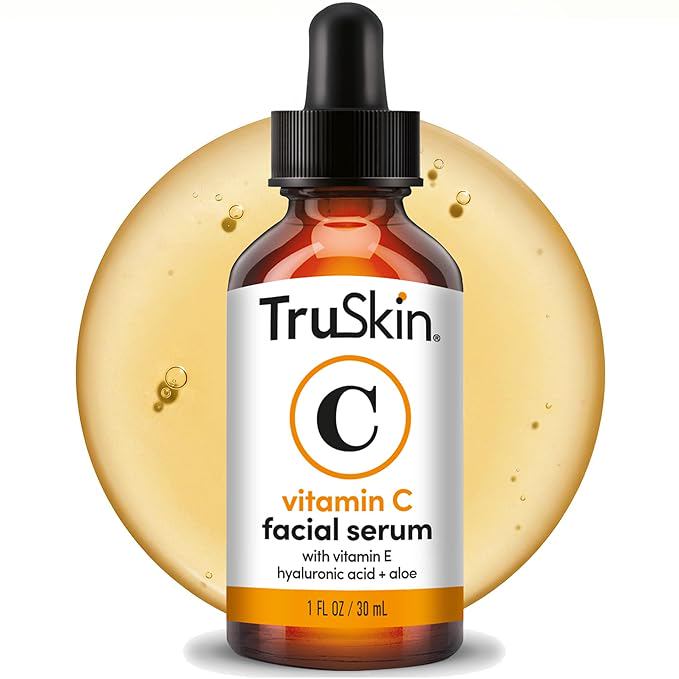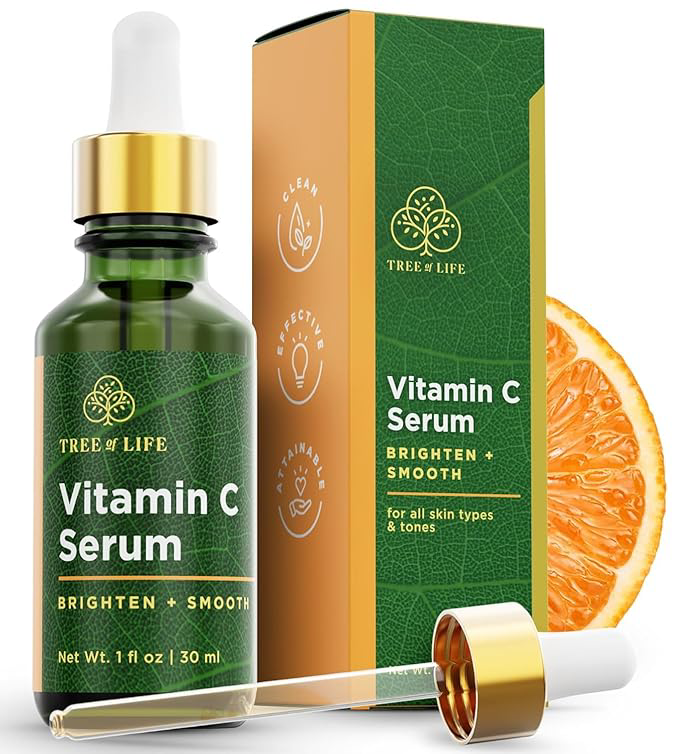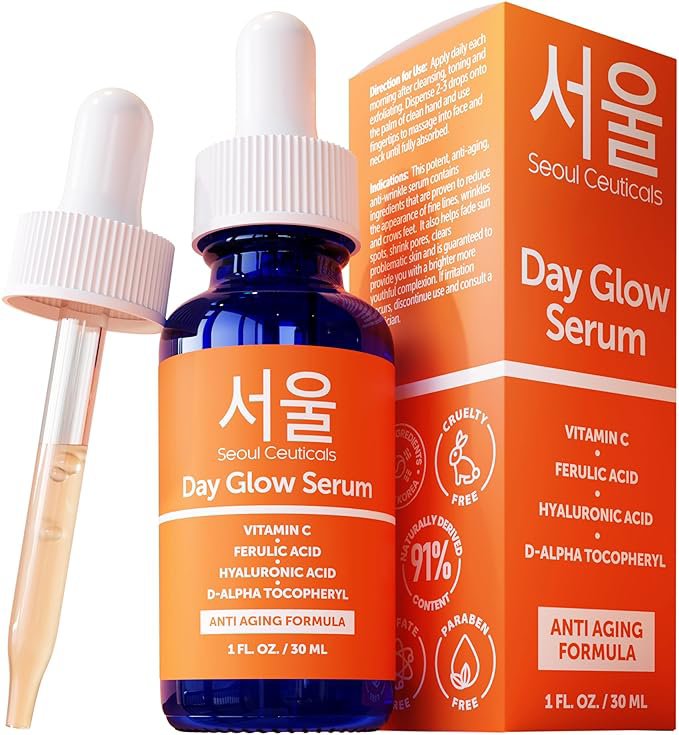
You’ve invested in a good vitamin C serum, or maybe you’re loyal to a ferulic acid blend. You smooth it on every morning, hoping for that lit-from-within glow. But if your skin still looks dull or uneven, the problem might not be the product itself—it might be what you’re not doing right before you apply it.
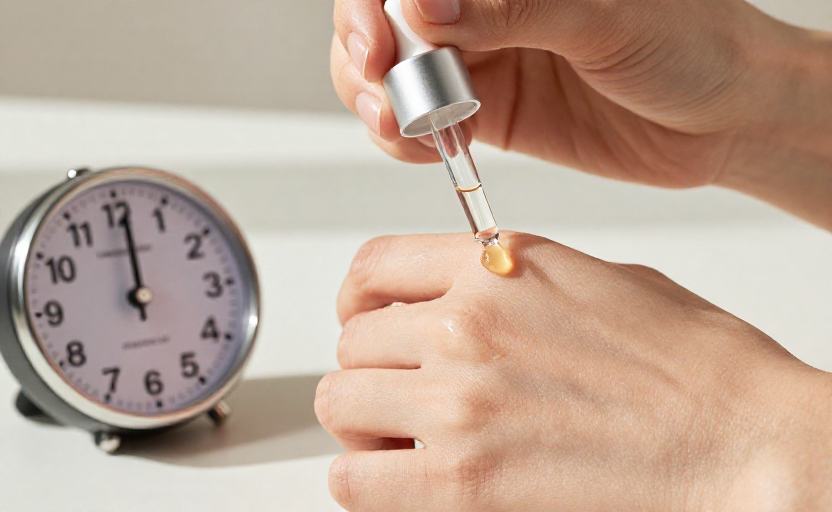
There’s one simple morning habit that can dramatically improve how your skin absorbs—and actually uses—those antioxidant actives. It doesn’t require a new purchase or a complicated routine. It costs nothing and takes about 30 seconds. The habit is waiting.
The science of skin readiness: why timing matters
Antioxidants like L-ascorbic acid (vitamin C), vitamin E, and ferulic acid work by neutralizing free radicals—unstable molecules that damage skin cells and accelerate aging. But they can only do that effectively if they penetrate the stratum corneum, the outermost layer of your skin. A damp or overly hydrated barrier isn't optimized for absorption; in fact, it can dilute a serum and reduce its efficacy.
Think of your skin’s pH after cleansing. Most cleansers are alkaline (pH 7–9), while your skin’s natural acid mantle sits around pH 4.7–5.5. Antioxidant serums, especially L-ascorbic acid, work best in a low-pH environment (around pH 3.5 or lower). If you apply serum immediately after rinsing your face, your skin surface pH hasn’t returned to its optimal acidic state. That extra alkalinity can neutralize part of the serum’s active ingredients before they even get to work.
The simple fix: After cleansing, pat your face dry with a clean towel (gently—no rubbing) and then wait 60 to 90 seconds before applying your serum. That brief pause lets your skin’s pH rebalance naturally.
Why your skin needs that 60-second reset
Here’s what happens during that short wait: your skin’s pH gradually shifts back to its baseline acidity. When you apply a vitamin C serum to skin that has reacidified, the active molecules can penetrate the lipid barrier more efficiently. A 2020 study in the Journal of Cosmetic Dermatology found that the skin’s pH can take up to 60 seconds to return to baseline after cleansing with water alone—and even longer if you used a foaming or gel cleanser. During that window, the barrier is transiently compromised. Layering on a potent active too early can cause irritation for some people, and for everyone, it reduces the serum's staying power.
Waiting also allows your skin to be completely dry. Applying a water-based serum to damp skin doesn't help it absorb—it just spreads the active molecules into a thinner layer over a larger volume of water, effectively diluting the dose per square centimeter of skin. You want the serum to form a concentrated film, not to mix with leftover rinse water.
How to build the waiting habit into your morning routine
This isn’t about setting a timer or staring at the bathroom mirror. It’s about a simple reordering of your steps:
- First, wash your face with a gentle, pH-balanced cleanser. Rinse thoroughly with lukewarm water, then pat dry—don’t rub.
- Second, do something else. Brush your teeth. Comb your hair. Put in your contact lenses. That’s your 90-second window. Don’t touch your face.
- Third, apply your antioxidant serum to skin that is bone-dry and feels slightly taut. Use a pea-sized amount or whatever your product recommends (usually 2–4 drops). Press it in gently with your fingertips—don’t rub or drag.
- Fourth, wait again. Give the serum at least two minutes to absorb before layering moisturizer or sunscreen on top. If you apply moisturizer too soon, you’ll push the serum off the skin surface rather than letting it penetrate.
One more game-changer: the freshness factor
While you’re waiting for your skin to become receptive, also check your serum. Antioxidants, especially pure vitamin C, oxidize quickly when exposed to light, heat, and air. An oxidized serum turns from clear to yellow or brown—and at that point it’s not only less effective but can actually irritate skin and deposit free radicals instead of neutralizing them.
Store your serum in a cool, dark cabinet (not in the bathroom medicine cabinet, which gets humid and warm). If the serum comes in a dropper bottle with a wide opening, consider decanting the next bottle into a smaller airless pump bottle. Better yet, look for serums packaged in opaque, air-tight containers with a pump. No matter how perfect your morning habit is, a degraded serum will never give you a glow.
Does this habit work for retinol or peptides too?
Yes, but with caveats. Retinol (vitamin A) requires a specific pH and is often more stable at night. Peptides are water-soluble and more forgiving. But for any active ingredient that works at an acidic pH—most famously antioxidants and AHAs like glycolic acid—letting the skin reacidify before application is a low-effort, high-impact step.
The same waiting principle also helps when you’re layering multiple products. If you apply a niacinamide serum right after vitamin C, you want the C to have fully absorbed first, or the niacinamide can disrupt its pH window. A two-minute wait between each layer prevents interactions and maximizes each product’s contribution.
What if you’re in a rush?
Life happens. On mornings when every minute counts, use a pH-balancing toner or a mineral water mist that matches skin’s natural pH (around 5.5) before the serum. Spritz it on, let it air-dry for about 30 seconds (you can do this while you put on socks), then apply your antioxidant serum. That’s a shortcut that still respects the science.
That bare minimum—cleanse, wait, apply serum—is a habit that costs zero dollars, demands no additional products, and can meaningfully improve how your skin responds. Over weeks and months, that 60-second pause translates into more consistent protection from UV damage, more even tone, and a smoother surface that catches light instead of absorbing it. Your serum is already doing good work. Give it the conditions it needs to do its best work.