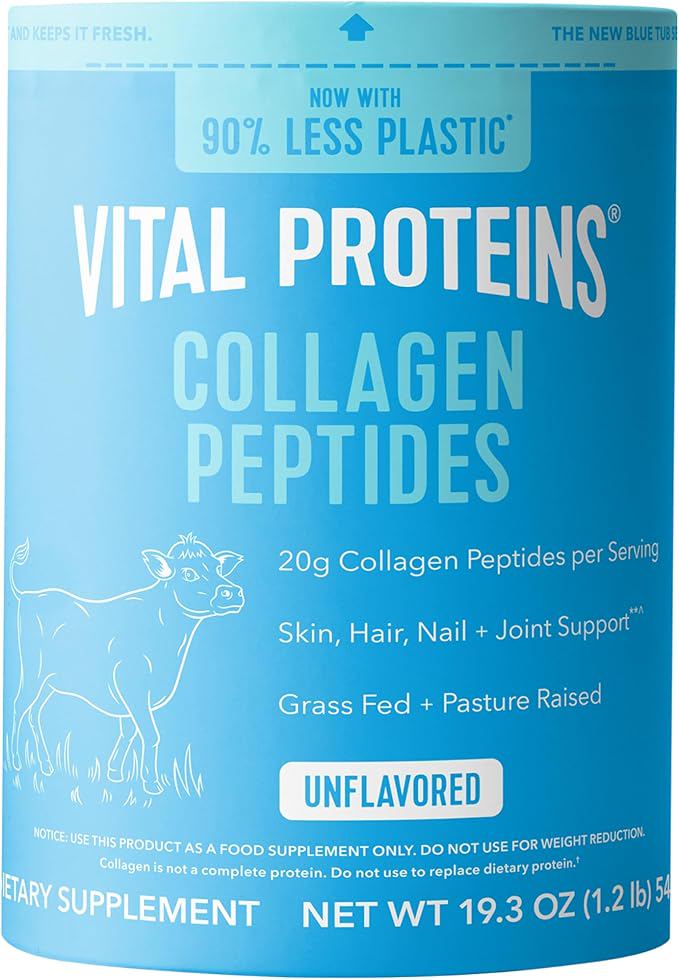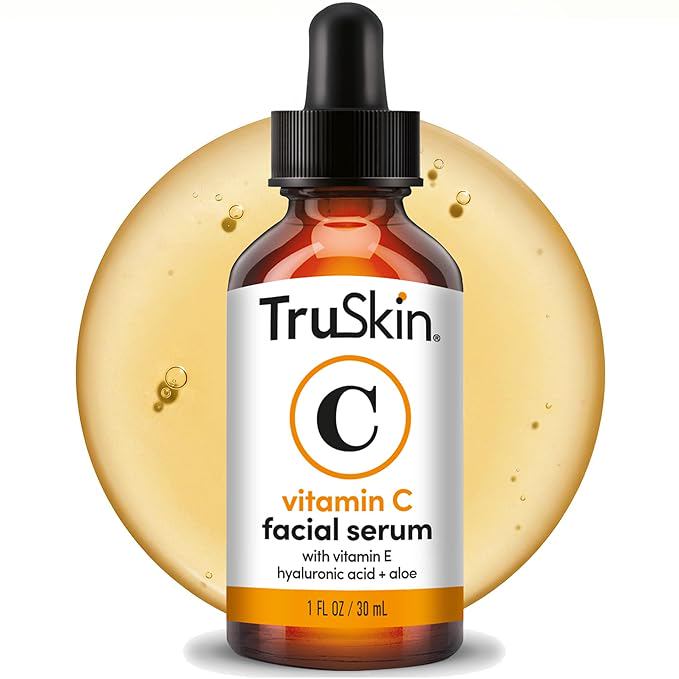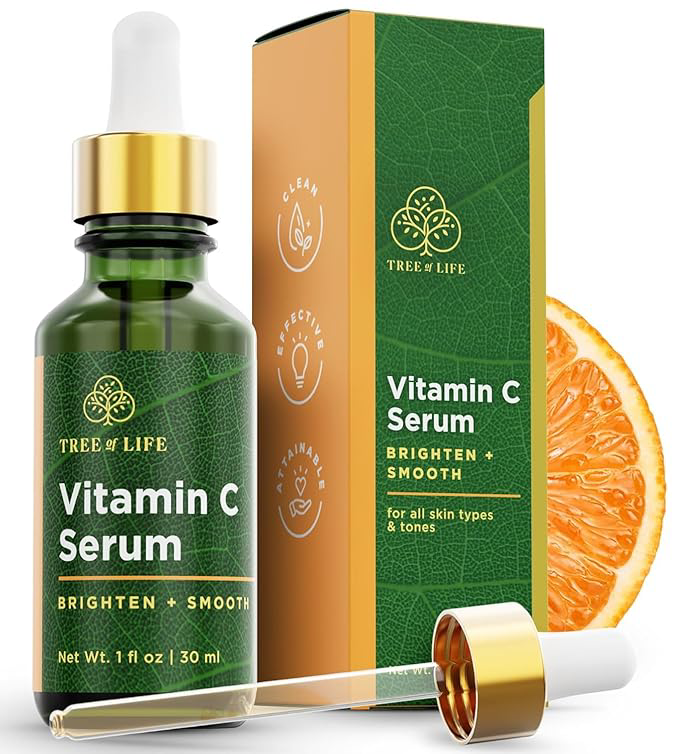

Your morning routine probably includes a few non-negotiables. Sunscreen. A splash of cold water. Maybe a vitamin C serum. But what about what goes into your mug? According to a growing number of dermatologists and nutrition researchers, one common morning beverage could be quietly working against the collagen that keeps mature skin firm and smooth.
The drink in question isn't an obscure wellness tonic or a trendy latte ingredient. It's coffee — specifically, black coffee consumed first thing on an empty stomach. While coffee has well-documented antioxidant benefits, experts now caution that the timing and context of your morning cup may matter more than you think, especially if you are concerned about skin structure and aging.
How caffeine and stress hormones affect collagen
Collagen is the structural protein that gives skin its plump, youthful resilience. After age 30, natural collagen production begins to decline by roughly one percent each year. That makes protecting what you still have a priority for mature skin.
Coffee, especially in large amounts or on an empty stomach, can trigger a spike in cortisol — the body's primary stress hormone. Elevated cortisol levels are known to suppress collagen synthesis. Over time, chronic cortisol elevation can make skin thinner, slower to heal, and more prone to fine lines and sagging.
“When you drink coffee before eating, you essentially send your adrenal system into a mild alarm state,” explains Dr. Lauren Birch, a board-certified dermatologist. “That cortisol surge signals your body to conserve resources — and collagen production is not a priority during a stress response.”
The acidity factor and nutrient absorption
Another lesser-discussed issue involves how coffee affects nutrient absorption. The acidic environment created by coffee can interfere with the absorption of key collagen co-factors, including vitamin C and zinc. Without adequate vitamin C, your body cannot cross-link amino acids into stable collagen fibers. Even if you take a collagen supplement or eat a protein-rich diet, a high-acid morning coffee habit may blunt those benefits.
This is particularly relevant for mature skin, which already contends with reduced nutrient bioavailability. If you are spending money on serums, supplements, or treatments to support collagen, a morning coffee habit might be quietly undermining the return on that investment.
What about sugar and cream?
If you take your coffee sweetened, the concern compounds. Even a small amount of added sugar triggers glycation — a chemical process where sugar molecules latch onto collagen and elastin fibers, making them stiff and brittle. Glycation end-products, or AGEs, are strongly linked to visible skin aging, including loss of elasticity, deepening wrinkles, and a sallow complexion.
Milk and cream may offer a partial buffer by binding to coffee's chlorogenic acids, but they do not completely neutralize the cortisol response. For women with mature skin who already notice thinning or laxity, every additional glycation event matters.
“Think of your morning drink as a choice between supporting your collagen bank or making a small withdrawal,” suggests Dr. Birch. “Coffee isn't inherently bad — but how and when you drink it makes a difference.”
Practical adjustments — not elimination
This is not a call to abandon coffee entirely. The key is in the details.
- Eat first. Having a protein-rich or fat-containing breakfast before your coffee can blunt the cortisol spike and provide amino acids your skin can use.
- Wait 60 to 90 minutes after waking. Cortisol is naturally high in the early morning as your body wakes up. Drinking coffee at that peak can exaggerate the stress response.
- Keep it to one cup. Moderate consumption — around 8 to 12 ounces — is unlikely to cause significant collagen suppression in most people.
- Skip the sugar. Use whole milk, a splash of cream, or a collagen-boosting powder if you need flavor. Avoid syrups and granulated sugar.
- Stay hydrated. Follow your coffee with a full glass of water, since dehydration alone can make skin appear more wrinkled.
The role of diet in collagen support
What you drink matters, but what you eat alongside it matters more. To offset any collagen-depleting tendencies from coffee, prioritize foods rich in vitamin C (citrus, bell peppers, strawberries), zinc (pumpkin seeds, chickpeas, lean meat), and copper (cashews, lentils, cocoa). Bone broth and wild-caught fish also provide the building blocks for collagen synthesis.
Green tea is a smart alternative or complement — its catechins have been shown to protect collagen from UV damage and reduce inflammation. If you choose to stick with coffee, consider rotating in matcha or herbal teas a few mornings a week to give your skin a break from caffeine's metabolic stress.
Final thought from experts
The consensus among dermatologists and functional medicine experts is clear: coffee is not an enemy of skin, but it can become one when consumed thoughtlessly. For mature skin that has already lost a significant share of its collagen density, small daily habits add up. Adjusting your morning drink routine — even slightly — may be one of the simplest, most cost-effective anti-aging strategies you have not yet tried.
As one dermatologist put it: “Protecting collagen is not just about what you put on your face. It is about what your body is asked to process before you even eat.”