
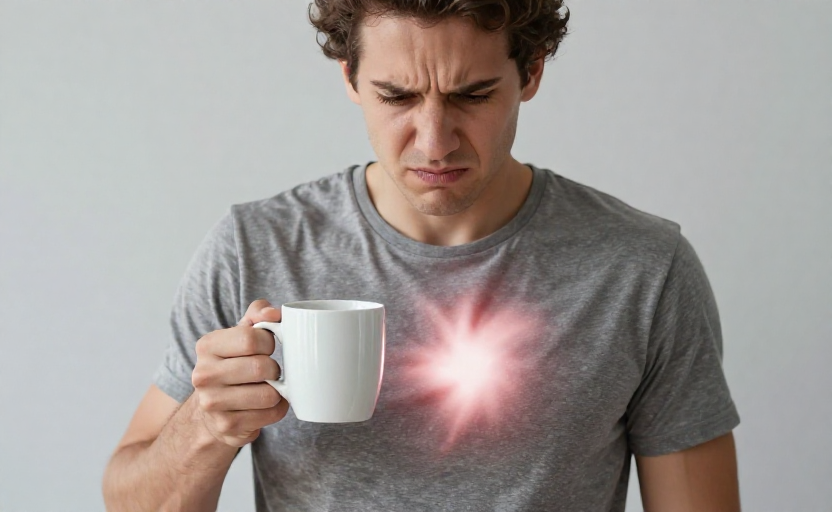
For many people, morning coffee is a non-negotiable ritual—a warm, comforting start to the day. But for some, that first cup can trigger an unexpected wave of anxiety, racing heart, or even full-blown panic symptoms. If you have ever felt jittery, short of breath, or suddenly overwhelmed after drinking coffee on an empty stomach, you are not imagining things. Caffeine is a powerful stimulant, and in certain doses or for certain individuals, it can mimic the physical sensations of a panic attack so closely that it is easy to mistake one for the other.
Understanding how caffeine works on your nervous system is key to distinguishing a caffeine-induced reaction from an actual anxiety disorder. Here is what you need to know about this common but often overlooked connection.
How caffeine triggers a fight-or-flight response
Caffeine primarily works by blocking adenosine, a neurotransmitter that promotes relaxation and sleepiness. When adenosine is blocked, levels of other stimulating neurotransmitters—like dopamine and norepinephrine—rise. This makes you feel more alert and energetic, but it also revs up your sympathetic nervous system: the same system that activates during a genuine threat.
This cascade can produce symptoms that closely mirror a panic attack. Your heart may pound, your breathing may quicken, your palms may sweat, and you might feel a sense of dread or unease. For someone prone to anxiety, these physical sensations can spiral into a full-blown panic episode because the mind interprets the bodily signals as danger.
Common symptoms that overlap between caffeine and panic
It can be surprisingly difficult to tell whether you are experiencing a panic attack or a strong reaction to caffeine. Here are the symptoms that commonly overlap:
- Rapid or pounding heartbeat – both caffeine and panic can cause palpitations.
- Shortness of breath or a feeling of choking – caffeine can tighten airways in sensitive individuals.
- Trembling or shaking – a classic sign of both excessive caffeine and acute anxiety.
- Sweating and hot flashes – the stimulant effect can mimic the flush of panic.
- Dizziness or lightheadedness – caffeine can affect blood flow and trigger vertigo in some people.
- Nausea or stomach discomfort – both caffeine and anxiety can upset digestion.
- A sense of impending doom – when your heart races and you feel shaky, the mind may jump to catastrophic conclusions.
If you notice these symptoms consistently after drinking coffee, tea, energy drinks, or other caffeinated beverages—especially in the morning on an empty stomach—caffeine may be the primary driver.
Who is most vulnerable to caffeine-induced panic?
Not everyone reacts the same way to caffeine. Genetics, metabolism, and baseline anxiety levels all play a role. People who are already prone to anxiety disorders, panic disorder, or social anxiety are far more likely to experience caffeine as a trigger. For them, even moderate amounts—one or two cups—can set off symptoms that feel indistinguishable from a spontaneous panic attack.
Other vulnerable groups include:
- Those with panic disorder or generalized anxiety disorder – caffeine lowers the threshold for panic attacks.
- Individuals who are slow metabolizers of caffeine – genetic variations in the CYP1A2 enzyme mean caffeine stays in the system longer.
- People who skip breakfast – consuming caffeine on an empty stomach can intensify its effects.
- Those who suddenly increase their intake – tolerance plays a big role, and a larger-than-usual dose can overwhelm the system.
How to tell the difference: caffeine versus a genuine panic attack
While the symptoms are similar, there are a few clues that can help you distinguish between the two. A caffeine-induced reaction typically follows the timing of your intake—symptoms peak within 30 to 60 minutes after consumption and fade as the caffeine is metabolized. A panic attack can come on without an obvious trigger and may last longer than the half-life of caffeine.
Another clue: if you remove caffeine from your diet completely for a week and your symptoms disappear, it is a strong sign that caffeine was the culprit. Panic disorder, by contrast, will persist even without stimulants.
That said, it is always wise to talk with a healthcare provider if you experience recurring panic-like episodes. They can help rule out other medical conditions—such as thyroid disorders, heart arrhythmias, or blood sugar imbalances—that can also mimic both caffeine reactions and panic attacks.
Practical steps you can take
If you suspect your morning drink is triggering panic-like symptoms, you do not necessarily have to give up coffee forever. Small adjustments can often make a big difference.
- Eat before you drink coffee. Food, especially protein or fat, slows the absorption of caffeine and buffers its effects.
- Switch to a lower-caffeine option. Half-caff, green tea, or a smaller cup can reduce the stimulant load.
- Watch your total daily intake. The FDA suggests that up to 400 mg per day (about 4 cups of coffee) is generally safe, but sensitive individuals may need far less.
- Avoid mixing caffeine with other stimulants. Energy drinks, some pre-workout supplements, and certain medications can amplify caffeine's effects.
- Stay hydrated. Caffeine is a mild diuretic, and dehydration can worsen anxiety-like symptoms.
If you find that even small amounts of caffeine reliably bring on heart palpitations, trembling, or dread, it may be worth exploring caffeine-free alternatives such as herbal teas, roasted chicory root, or simply warm lemon water.
The bottom line: that morning cup of coffee does not cause panic attacks in everyone, but for a sizable number of people, it can create an experience that feels nearly identical. Knowing the connection gives you the power to make an informed choice about what you drink—and to recognize when your body is sending a signal that is more about caffeine than about fear.