
If your skin is sensitive and you use a retinoid, you know the balancing act well: you want the benefits of smoother, clearer skin without the redness, peeling, or irritation that can come with it. Beyond your skincare routine, what you put in your body makes a real difference. Many dietitians now point to a simple, specific morning drink that can help support your skin barrier from the inside out.
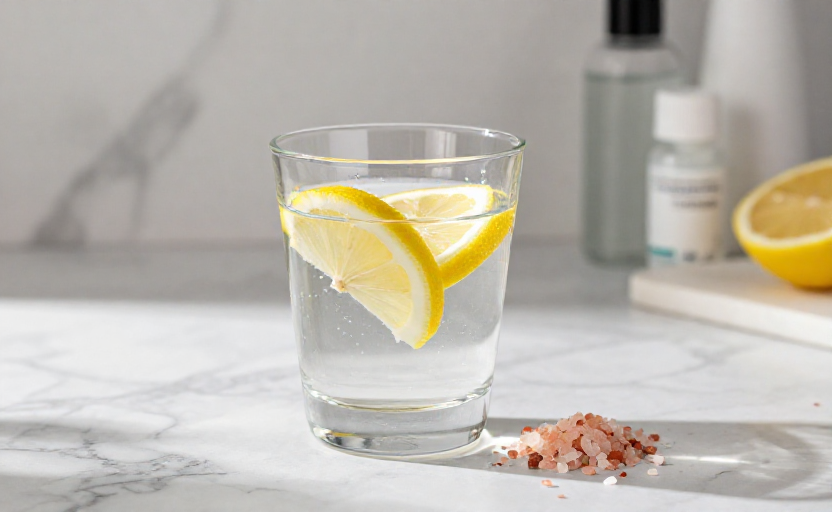
That drink is not a complicated green juice or a trendy wellness shot. For retinoid users with reactive skin, the best first beverage of the day is often just a glass of cool water with a small pinch of high-quality salt and a squeeze of lemon. It sounds unassuming, but this trio works in a way that directly addresses the skin's needs during retinoid use.
Why This Simple Drink Works for Retinoid Users
Retinoids accelerate skin cell turnover, which is what makes them effective. But this process increases transepidermal water loss (TEWL), meaning your skin loses moisture more quickly. That is a primary driver of the irritation and sensitivity many users experience.
This morning drink tackles the root cause in three specific ways:
- Hydration at the cellular level. Plain water is fine, but adding a tiny amount of mineral-rich salt (like pink Himalayan or Celtic sea salt) helps your body actually absorb and retain that water. Electrolytes are essential for transporting water into your cells, where it nourishes the skin barrier.
- Gentle vitamin C support. A fresh squeeze of lemon provides a small, food-based dose of vitamin C. This is not a megadose; it is a steady, gentle nutrient that supports the collagen synthesis retinoids already stimulate. For sensitive skin, getting vitamin C from a diluted, acidic drink is often less irritating than a topical L-ascorbic acid serum.
- Alkalizing the body gently. While your stomach acid is highly acidic, the metabolic effect of lemon water is alkalizing. This can help reduce systemic inflammation, which often shows up on sensitive skin as redness or puffiness.
How It Compares to Other Morning Drink Options
You might wonder why this is recommended over coffee, tea, or herbal brews. Here is the distinction for retinoid users:
- Coffee and black tea are diuretics. They can flush fluids out of your system, effectively working against the hydration your skin is crying out for. If you must have coffee, dietitians often suggest waiting 30–60 minutes after the water-electrolyte drink.
- Green tea has antioxidants (EGCG), which are beneficial. But its caffeine content still poses a mild diuretic risk for some, and the tannins can interfere with nutrient absorption. It is a fine second drink, but not always the best first drink.
- Herbal teas (chamomile, rooibos) are hydrating and anti-inflammatory, but they lack the electrolyte balance this simple water, salt, and lemon recipe provides for rapid, cellular-level hydration.
Dietitian tip: The goal is not to replace all other fluids, but to prioritize a gentle, hydrating first drink that primes your skin cells for the day. Think of it as setting a stable base.
Does This Help with Retinoid-Related Redness or Peeling?
Indirectly, yes. Persistent peeling is often a sign of an impaired moisture barrier. By supporting better hydration and providing a steady supply of skin-supporting minerals, this drink helps reinforce the barrier from the inside. That can reduce the likelihood of reactive redness and flaking over time.
However, it is not a substitute for proper skincare habits. You still need a gentle cleanser, a barrier-repair moisturizer, and a robust SPF. This drink is a complementary strategy, not a cure. If your skin is actively peeling or raw, you should also consider reducing your retinoid frequency or buffering it with a moisturizer.
Who Should Be Cautious with This Drink?
While simple, this drink is not for everyone:
- If you have high blood pressure or kidney concerns, check with your doctor before adding even a small pinch of salt to your water.
- Lemon can erode tooth enamel. Use a straw to bypass your teeth, or rinse your mouth with plain water after finishing the drink. Wait at least 30 minutes before brushing your teeth.
- If you have citrus allergies or GERD (acid reflux), the lemon may aggravate symptoms. A tiny splash of apple cider vinegar can be a substitute for the lemon, though it is less palatable.
How to Make Your Morning Retinoid-Friendly Drink
It is intentionally simple. Here is the method dietitians often suggest:
- Fill a 12–16 ounce glass with filtered or spring water. Cool or room temperature is fine—ice is not necessary and can shock digestion.
- Squeeze in the juice of one-quarter to one-half of a fresh lemon. Avoid bottled lemon juice, which often contains preservatives.
- Add a tiny pinch—less than 1/8 teaspoon—of a natural, unrefined salt like pink Himalayan. This provides trace minerals like potassium, magnesium, and calcium.
- Stir gently and drink slowly. Do not chug. Sip it over 10 to 15 minutes to allow your body to absorb the fluids efficiently.
That's it. Drink this about 15–20 minutes before your first coffee or tea. This gives your body time to hydrate without competing with caffeine's effects.
The Bottom Line for Retinoid Users
Managing retinoid sensitivity is not just about what you put on your skin; it is about supporting your body's natural repair systems. A morning drink of water, lemon, and a pinch of mineral salt is a gentle, evidence-informed way to start the day. It helps maintain hydration balance, provides mild collagen-building support, and reduces systemic stressors on inflamed skin.
This approach is affordable, accessible, and non-interfering with most skincare routines. For those with sensitive, retinoid-adjusted skin, it may be the missing link between a bare skincare routine and a truly supported complexion.