
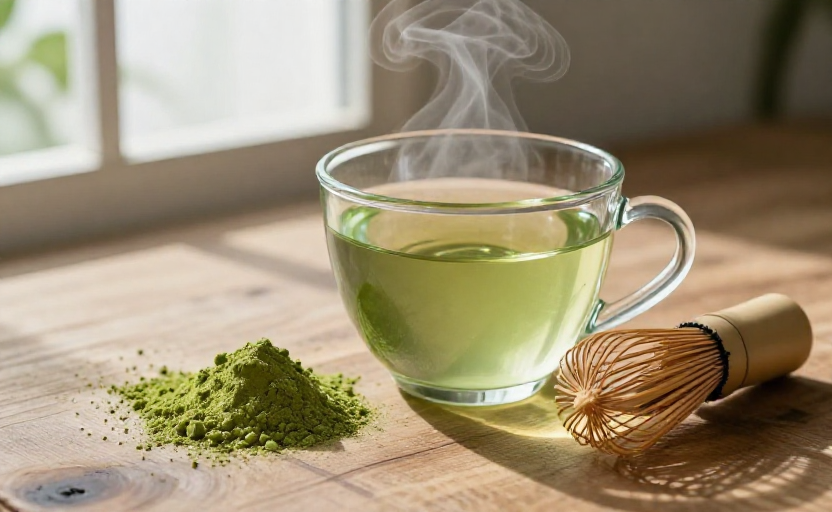
What you sip first thing in the morning might do more for your skin than your entire skincare routine. Peptides are the building blocks of collagen and elastin, the proteins that keep skin firm, smooth, and resilient. But simply applying peptides topically isn't the whole picture; their activity in the body depends heavily on what you consume. I consulted with a registered dietitian who specializes in skin health to pinpoint one specific morning beverage that consistently supports better peptide activity in the skin. The answer is simpler and more accessible than expensive serums.
The One Drink: A Green Tea Rich in EGCG
The dietitian pointed to high-quality, freshly steeped green tea as the most effective morning drink for supporting peptide function. The key compound here is epigallocatechin gallate (EGCG), a catechin with potent antioxidant and anti-inflammatory properties. Here is why it works, backed by the mechanisms she explained.
Peptides in your skin are constantly being broken down by enzymes called matrix metalloproteinases (MMPs). UV exposure, pollution, and natural aging ramp up MMP activity, which degrades collagen and elastin fibers, leading to sagging and wrinkles. EGCG from green tea has been shown in peer-reviewed studies to inhibit MMP activity. By reducing this enzymatic breakdown, the peptides your body already produces, along with any you ingest or apply, can remain active longer and function more effectively. This means better collagen synthesis and improved skin regeneration.
Why Morning Matters
Timing this drink for the morning aligns with your body's natural cortisol rhythms. Cortisol peaks shortly after waking, and elevated cortisol can suppress collagen production and increase inflammation. Green tea contains L-theanine, an amino acid that promotes calm focus and helps modulate cortisol spikes. The dietitian explained that by drinking green tea first thing (on an empty stomach or with a light breakfast), you are not only delivering EGCG to your skin cells but also creating a hormonal environment where peptide activity is maximized and inflammation is minimized.
What About Coffee or Other Teas?
This is where specificity matters. Coffee, while rich in antioxidants, contains chlorogenic acids rather than EGCG and may raise cortisol more than green tea in sensitive individuals. Black tea has some catechins but in significantly lower concentrations, and the fermentation process reduces their bioavailability. Herbal teas vary widely, but none offer the precise catechin profile of green tea. The dietitian emphasized that matcha, a powdered form of green tea, delivers an even more concentrated dose of EGCG because you are consuming the whole leaf.
A brief, practical note: Steep green tea at about 175°F (80°C) for two to three minutes. Boiling water destroys some catechins and makes the tea bitter. Use loose leaf or a quality bag, and avoid adding milk, which can bind to catechins and reduce absorption.
Broader Dietary Support for Peptide Activity
While green tea is the standout morning drink, the dietitian underscored that it works best as part of a larger pattern. For optimal peptide activity in the skin, consider these supporting habits:
- Pair with vitamin C. A squeeze of lemon in your tea or a kiwi on the side enhances collagen synthesis because vitamin C is a cofactor in the hydroxylation of proline and lysine during collagen peptide assembly.
- Include adequate protein. Peptides are made from amino acids. If your diet lacks protein, the raw materials for collagen production are insufficient. Eggs, fish, chicken, or plant sources like tofu all contribute.
- Stay hydrated. Skin cell function and enzymatic reactions require water. Dehydration reduces blood flow to the skin, which hinders delivery of peptides and nutrients.
- Limit sugar and refined carbs. They promote glycation, a process where sugar molecules attach to collagen fibers, making them stiff and brittle. This ages skin visibly by reducing elasticity.
What to Expect and When
Readers often ask how quickly dietary changes affect skin. The dietitian pointed out a realistic timeline: subtle improvements in skin hydration and a reduction in morning puffiness can appear within two to four weeks of consistent green tea consumption. Noticeable changes in firmness and fine lines, linked to increased collagen production, typically take three to six months because collagen turnover is slow. Patience and consistency matter more than any single drink.
It is also worth noting that green tea is not a substitute for sunscreen or a balanced diet. Topical peptide serums and sun protection remain important. The morning drink supports internal peptide activity, which complements external skincare. The two approaches work synergistically; one amplifies the other.
Final Perspective from the Dietitian
The dietitian I spoke with sums it up plainly: 'If a client asks for one simple, research-backed change to support skin peptide activity, I start with swapping their morning coffee for green tea, or adding a cup of matcha. It is low-risk, affordable, and addresses the root enzymatic degradation of peptides rather than just masking the symptoms.' That is a recommendation grounded in biochemistry and practicality, and it aligns with what the literature shows about EGCG and skin health.
To get the most from your morning brew, choose a green tea you genuinely enjoy, because consistency is the real secret. Whether you prefer Sencha, Gyokuro, or matcha, the evidence supports that this single change can meaningfully support how your skin uses and retains peptides throughout the day.