
You know the feeling: it’s 3 p.m., your energy has flatlined, and focusing on anything feels like wading through mud. For many of us, the culprit isn’t a lack of sleep or a heavy workload—it’s what we ate a few hours earlier. The lunch habit that fuels burnout and drains your afternoon energy is more common than you might think, and it often flies under the radar.
That midday slump is not just a normal part of the workday. When you consistently choose foods that spike your blood sugar and then let it crash, you’re setting yourself up for fatigue, brain fog, and even long-term metabolic strain. Here’s how that works, what to look for in your own routine, and what you can do to turn it around.
What makes a lunch habit draining?
The core issue is a combination of refined carbohydrates, added sugars, and not enough protein or fiber. Think of a typical fast-food combo: a white-flour bun, sugary soda, and fries. That meal breaks down quickly into glucose, sending your blood sugar soaring. Your pancreas responds by releasing a surge of insulin, which shuttles the sugar into your cells. The problem is that this response can overshoot, pulling too much sugar out of your bloodstream and leaving you with low blood sugar—or what some call a “crash.”
When your blood sugar dips below a healthy baseline, your body releases hormones like adrenaline and cortisol to bring it back up. This stress response is what makes you feel shaky, irritable, and mentally foggy. Over time, repeating this cycle can contribute to insulin resistance and chronic fatigue.
The signs your lunch is working against you
You might not realize your lunch is the problem, but the clues are there. If you regularly experience any of the following after eating, it’s worth taking a closer look at what’s on your plate:
- An energy crash 1–3 hours after eating
- Difficulty concentrating or “brain fog” in the afternoon
- Irritability or mood swings that seem to come out of nowhere
- Strong cravings for more sugar or carbs shortly after lunch
- Feeling physically tired or drowsy, even if you slept well
A quick caveat: if these symptoms are severe or accompanied by other health changes, check in with a healthcare provider to rule out conditions like reactive hypoglycemia or thyroid issues.
Common lunch pitfalls that drain your energy
It’s not just about obvious junk food. Some seemingly healthy choices can also set you up for an afternoon slump if they’re not balanced properly.
Too many carbs, not enough protein
A sandwich on white bread, a bowl of pasta, or even a large serving of rice can overwhelm your system if protein and fat are minimal. Protein slows down digestion and helps stabilize blood sugar. Without it, you’re riding a sugar rollercoaster.
Sneaky sugars in dressings and drinks
That “healthy” green salad might be drenched in a sweet vinaigrette, and your iced tea could hide teaspoons of added sugar. Even a seemingly innocent fruit smoothie can load up on sugar if it’s made with juice or sweetened yogurt. These hidden sugars hit your bloodstream almost as fast as a soda.
Skipping fiber
Fiber slows the absorption of sugar into your blood. A lunch that’s mostly refined grains, with no vegetables, legumes, or whole grains, will be digested quickly. That rapid digestion is what triggers the crash.
Not eating enough
Ironically, eating too little at lunch can also backfire. A tiny salad with no complex carbs, protein, or fat may leave you hungry and low on fuel by mid-afternoon. Your brain runs on glucose, and when you don’t provide a steady supply, your energy and focus take a hit.
How to build an energy-sustaining lunch
The goal is a meal that keeps your blood sugar steady and provides lasting fuel for your brain and body. Think of it as balancing three key elements: protein, fiber, and healthy fat. Here’s a practical template to follow:
- Start with a protein source. Options include grilled chicken, fish, tofu, beans, lentils, eggs, or Greek yogurt. Aim for about 20–30 grams if possible.
- Add fiber-rich vegetables or whole grains. Leafy greens, broccoli, bell peppers, quinoa, brown rice, or oats. Vegetables should fill at least half your plate.
- Include a source of healthy fat. Avocado, nuts, seeds, olive oil, or fatty fish like salmon. Fat slows digestion and promotes satiety.
- Keep added sugars low. Choose water, unsweetened tea, or sparkling water over sugary drinks. If you crave something sweet, pair a small piece of fruit with a handful of almonds.
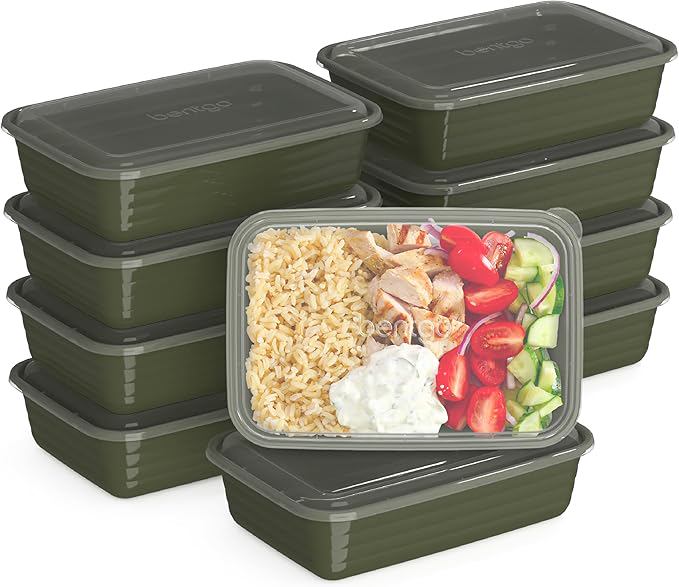
A simple example: a quinoa bowl with black beans, diced chicken, avocado, and a handful of spinach, dressed with lime and olive oil. This meal provides complex carbs, fiber, protein, and healthy fat—everything your body needs to sustain energy through the afternoon.
Small swaps that make a difference
You don’t need to overhaul your entire diet overnight. Start with one or two changes:
- Swap white bread for whole-grain bread or a lettuce wrap.
- Replace soda with sparkling water with a splash of lemon.
- Add a hard-boiled egg or a serving of hummus to your salad.
- Choose a piece of fruit instead of a granola bar (many bars are high in added sugar and low in protein).
These small adjustments can flatten out your blood sugar curve, keep your energy steady, and help you avoid that 3 p.m. crash.
When the habit becomes burnout fuel
If you rely on high-sugar, low-nutrient lunches day after day, the consequences go beyond a sleepy afternoon. Chronic blood sugar swings put stress on your body’s regulatory systems. Over time, this can contribute to adrenal fatigue, insulin resistance, and a persistent sense of burnout that feels hard to shake. Your lunch habit isn’t just about one meal—it’s a daily pattern that either supports your energy or slowly erodes it.
Making a change is worth the effort. When you feed your body the way it’s designed to be fueled, you notice the difference: more stable moods, clearer thinking, and the ability to power through the afternoon without reaching for another coffee or a sugary snack. Your lunch break can become a tool for resilience, not a hidden drain.