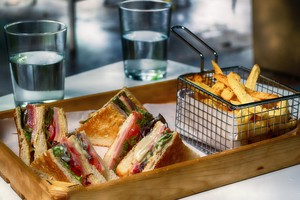
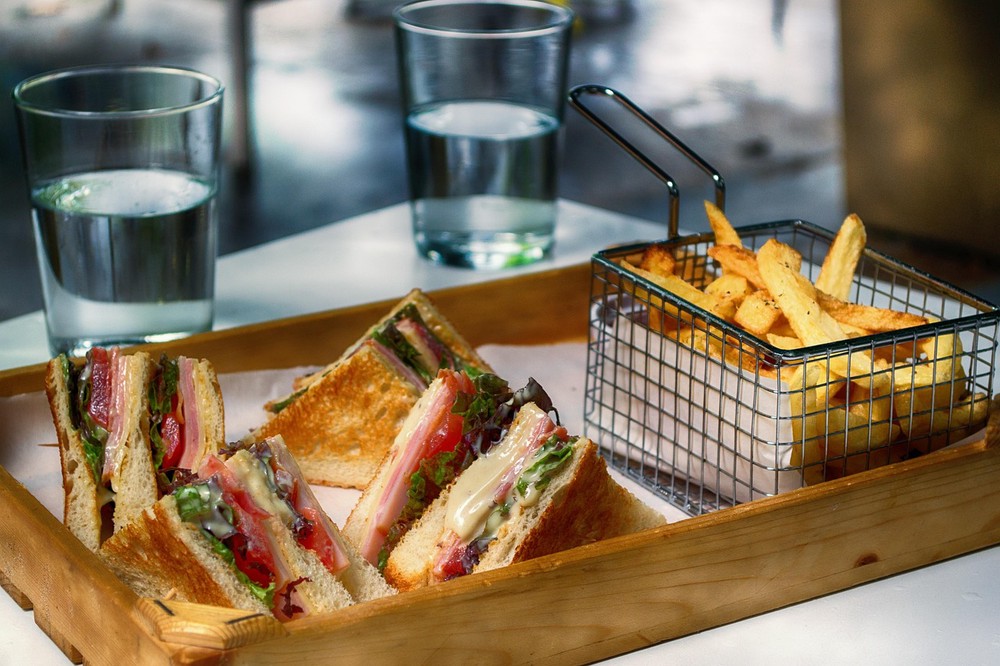
You might not think twice about what you eat during a midday break, but certain lunchtime choices could be quietly fueling feelings of social discomfort. For anyone who struggles with social anxiety—or simply feels more self-conscious or jittery in social settings—the connection between food and mood is worth a closer look. One common lunch habit, in particular, can accidentally worsen social anxiety triggers, leaving you feeling on edge when you want to feel at ease.
That habit? Relying on caffeine-heavy foods or drinks as a quick energy fix. Whether it's a second cup of coffee, an energy drink, or a soda with lunch, the stimulant effect of caffeine can mimic or amplify the physical symptoms of anxiety—racing heart, sweaty palms, restlessness—which in turn can heighten self-awareness and social unease.
How Caffeine at Lunch Can Backfire
When you consume caffeine, your central nervous system gets a jolt. For most people, that feels like alertness. But for someone prone to anxiety—especially in social situations—it can feel like the body is going into "fight or flight" mode. A study published in the Journal of Psychopharmacology found that even moderate doses of caffeine can increase anxiety and nervousness in people with panic disorder or social anxiety. And you don't need a diagnosed condition to feel the effect: anyone can experience heightened physical arousal after caffeine, which the brain may misinterpret as social threat or danger.
This effect is especially pronounced when caffeine is consumed on an empty stomach or later in the day, which is exactly what happens during a rushed lunch. The result? You walk into a meeting, a lunch date, or a group hangout feeling wired—not in a good way.
Blood Sugar Swings and Mood
Beyond caffeine, the composition of your lunch matters. A meal that's heavy in refined carbohydrates—like white bread, pasta, or sugary snacks—can cause a rapid spike and then crash in blood sugar. That crash often brings irritability, fatigue, and a shaky feeling that mimics anxiety. When you're already feeling socially vulnerable, those physical sensations can trigger a loop of worry: Why am I shaking? Everyone will notice.
A steady blood sugar level supports a calmer nervous system. Prioritizing protein, fiber, and healthy fats at lunch can help maintain that stability.
Mindful Swaps for a Calmer Afternoon
This isn't about overhauling your entire diet overnight. Small, intentional changes can make a noticeable difference in how you feel socially after lunch.
- Dial back the caffeine. If you usually have two cups of coffee, try one. Or switch to green tea, which contains L-theanine—an amino acid that promotes relaxation without sedation. Herbal teas like chamomile or peppermint are caffeine-free options that can actually soothe nerves.
- Include protein and fiber at every lunch. Think grilled chicken on a bed of greens, lentil soup, or a quinoa bowl with vegetables. These foods digest slowly, keeping blood sugar even and energy steady.
- Stay hydrated. Even mild dehydration can cause brain fog, headache, and a faster heart rate—all potential anxiety triggers. Keep a water bottle at your desk and sip throughout the morning and afternoon.
- Mind your timing. Eating lunch at roughly the same time each day helps regulate your body's internal clock and prevents the intense hunger that can lead to hasty, less balanced choices.
When Lunch Habits Become a Social Anxiety Trigger
It's easy to overlook how something as routine as lunch can affect your mental state. But if you've ever noticed feeling more self-conscious, nervous, or on guard after a midday meal, it's worth considering what was on your plate. Social anxiety is complex, and diet is just one piece of the puzzle—but it's a piece you can control. By making small adjustments to your lunch routine, you may find it easier to stay present, calm, and confident in social settings.