
Social anxiety can feel like a heavy weight, making everyday interactions draining. While therapy, lifestyle changes, and sometimes medication are primary treatments, what you eat can also influence how you feel. Dietitians point to the gut-brain connection—a well-documented link between digestive health and mood—as a reason certain foods may help calm nervous system responses.
Green smoothies are an easy way to pack in those nutrients. They blend quickly, travel well, and can be customized. Below are three dietitian-inspired recipes that focus on ingredients like magnesium-rich leafy greens, adaptogenic herbs, and healthy fats that support stable blood sugar and a calmer mind. Remember, these are supportive tools, not a cure for social anxiety disorder.
Why green smoothies for social anxiety?
The nutrients in dark leafy greens—magnesium, folate, and B vitamins—play key roles in neurotransmitter production and nervous system regulation. When you pair these with protein and healthy fat, you stabilize blood sugar, which can prevent the jitters and energy crashes that mimic or worsen anxiety symptoms.
Dietitian and nutritionist Jenna Volpe explains that smoothies are a low-effort vehicle for these nutrients. "Many clients with social anxiety struggle with low appetite before social events or in the morning. A smoothie is gentle to digest and can be sipped slowly."
Recipe 1: The Magnesium-Rich Calming Green
Magnesium is often called the relaxation mineral because it helps regulate GABA, a neurotransmitter that promotes calm. This recipe packs a magnesium boost from spinach, avocado, and pumpkin seeds.
- 1 cup fresh spinach
- 1/2 small avocado (for creaminess and healthy fat)
- 1 cup unsweetened almond milk
- 1 tablespoon pumpkin seeds
- 1/2 frozen banana for natural sweetness
- Small handful of fresh mint leaves (optional, for flavor)
How to make it: Blend all ingredients until smooth. The avocado and banana create a thick, milkshake-like texture that feels satisfying without added sugar. The pumpkin seeds contribute zinc, which some research suggests may help reduce anxiety symptoms.
"I recommend this to clients who feel physically tense before social situations," says dietitian Rachel Fine. "The magnesium helps relax muscle tightness, and the fiber prevents blood sugar spikes."
Recipe 2: Adaptogenic Ashwagandha Green
Adaptogens are herbs that help the body resist stressors. Ashwagandha, in particular, has been studied for its ability to lower cortisol levels. Combined with anti-inflammatory greens and a touch of coconut fat, this smoothie supports a steadier stress response.
- 1 cup kale (stems removed)
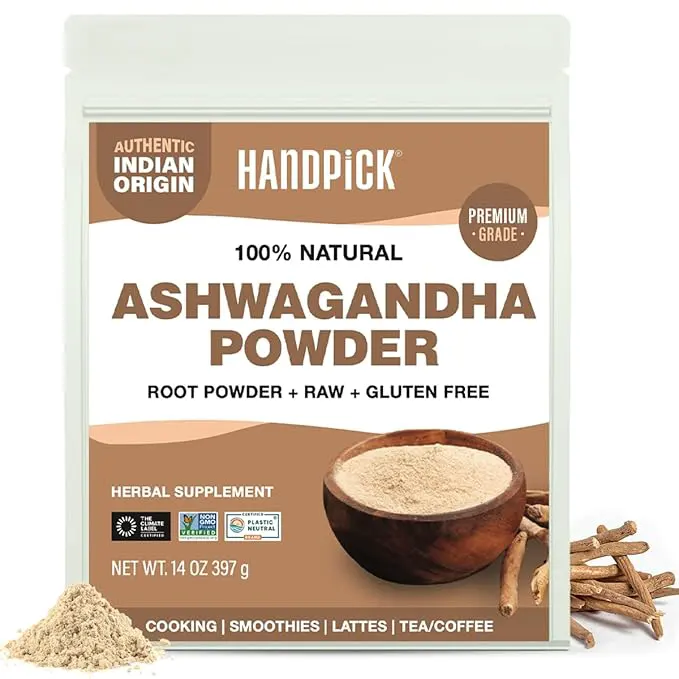
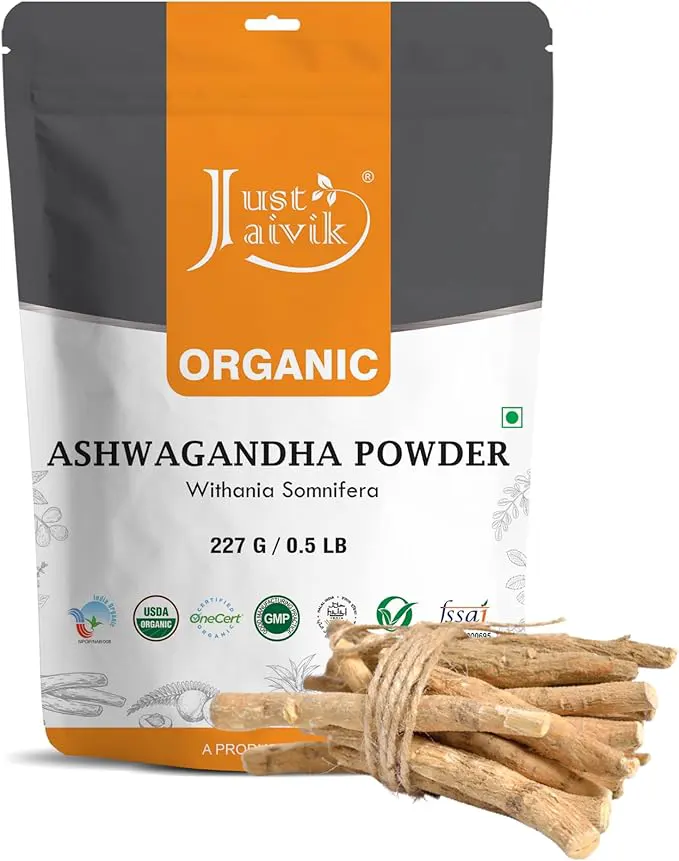
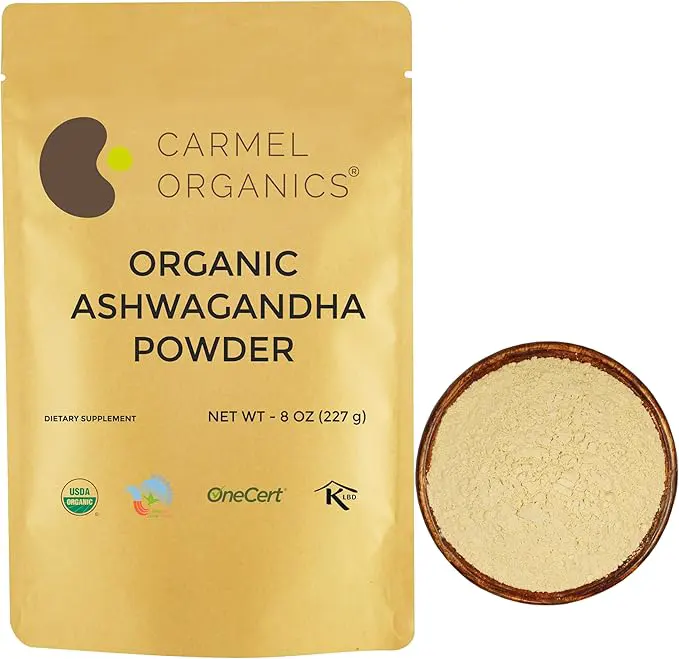
- 1 teaspoon ashwagandha powder (or one serving of a quality supplement)
- 1/2 small pear (fiber and natural sweetness)
- 1 tablespoon unsweetened coconut flakes or coconut milk cream
- A squeeze of lemon juice to brighten the kale
- 1 cup coconut water or plain water
How to make it: Blend thoroughly. The pear and lemon help mask the earthy taste of ashwagandha. Coconut water adds electrolytes, which can be helpful if anxiety leaves you dehydrated or dizzy.
Ashwagandha is generally safe for most adults, but those with thyroid conditions or pregnant individuals should consult their doctor first. Also, use it cyclically—not every single day—to maintain effectiveness.
Recipe 3: The Blood-Sugar-Stabilizing Green Protein
Anxiety often hits hardest when blood sugar drops. This smoothie is designed to keep you full and focused through a long meeting or social outing.
- 1 large handful of romaine lettuce or Swiss chard
- 1 scoop clean vanilla or unflavored protein powder (pea or collagen work well)
- 1 tablespoon almond butter
- 1/2 cup frozen blueberries (low glycemic fruit)
- 1/2 cup unsweetened oat milk or water
- Pinch of cinnamon (helps regulate blood sugar)
How to make it: Blend on high until velvety. The protein and healthy fat from almond butter slow down the absorption of sugar, so you avoid the roller coaster of energy and mood. Blueberries add antioxidants that fight inflammation, which is often elevated with chronic stress.
Dietitian Maya Feller notes: "I often see clients who skip breakfast before a big presentation because they're anxious. This smoothie is a tool—it's quick, portable, and it feeds your brain so you can think clearly."
Pro tip: Prep smoothie bags on the weekend. Place chopped greens and frozen fruit in freezer bags. In the morning, just dump a bag in the blender with your liquid and fat source. This removes the barrier of chopping when you're already feeling overwhelmed.
What to add (and skip) for anxiety support
Not all green smoothie ingredients are calming. Be mindful of the following:
- Limit caffeine. If you use matcha, stick to 1/2 teaspoon. Too much green tea powder can worsen jitters in someone prone to anxiety.
- Avoid excess sugar. Skip honey, agave, or sweetened yogurts. Use whole fruit (like banana or mango) to sweeten naturally.
- Go easy on raw cruciferous veg. Massive amounts of raw kale or broccoli can be hard on digestion for some people. Rotate with spinach, romaine, or chard.
- Consider a gut-healing add-in. A small spoonful of ground flax, chia seeds, or a splash of kefir can support the microbiome—a key player in mood regulation.
Finally, listen to your body. A green smoothie is a supportive habit, but social anxiety is complex. Pair these nutrition strategies with professional guidance, stress management, and the gentle practice of accepting yourself exactly as you are. Small daily rituals can make a difference when they're part of a bigger picture of care.