That sudden, intense desire for a specific food—or a combination you’d never normally consider—is one of the most talked-about hallmarks of early pregnancy. For many, cravings are the first tangible, quirky sign that things are changing. They can feel bewildering, amusing, or downright urgent. While often portrayed in movies as a punchline, understanding what drives these cravings and knowing when they might signal something more can help you navigate your first trimester with a bit more ease and a lot less worry.
Cravings typically begin to surface around the fifth week of pregnancy and often peak during the first trimester. They’re thought to be a complex mix of hormonal shifts, heightened senses of smell and taste, and your body’s intuitive, sometimes clumsy, way of seeking nutrients it needs. Most are perfectly normal and harmless, a passing phase of your pregnancy journey. Yet, it’s wise to know the line between a typical craving and one that might need a conversation with your care provider.
What’s Driving Those Intense Food Desires?
The exact cause of pregnancy cravings isn’t fully pinned down, but researchers point to a powerful cocktail of factors. Surging hormones, particularly estrogen and human chorionic gonadotropin (hCG), are prime suspects. These hormones can dramatically alter your sense of taste and smell, making previously bland foods appealing and turning once-loved aromas into instant nausea triggers.
There’s also a psychological and cultural layer. We’re socialized to expect cravings during pregnancy, which can make us more attentive to food whims. Sometimes, a craving is less about a nutrient deficiency and more about comfort, nostalgia, or a simple need for a predictable pleasure during a time of immense physical change.
Think of most cravings as your body’s loud, sometimes confusing, way of communicating. The key is learning to listen thoughtfully, not just obey immediately.
Common First Trimester Cravings: The Usual Suspects
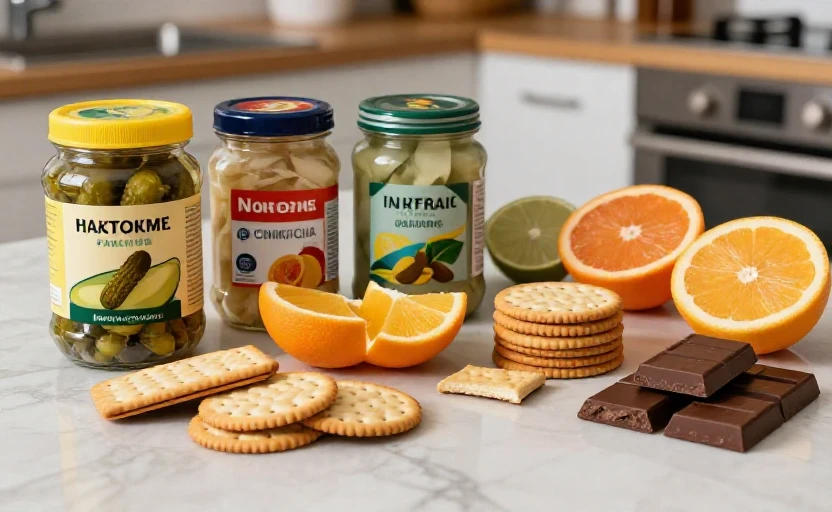
While cravings can be for anything, certain categories show up repeatedly. These often reflect a desire for immediate energy, comfort, or strong, clean flavors that cut through pregnancy-induced aversions.
- Sweet foods: Chocolate, ice cream, fruit, and pastries are frequent favorites. The quick energy boost from sugars can be appealing when fatigue is high.
- Salty snacks: Pickles, chips, and pretzels are classics. Some theories suggest this could be linked to increased blood volume, though it’s not a definitive cause.
- Carbohydrates: Bread, crackers, pasta, and potatoes are often craved, especially by those dealing with nausea. These bland, starchy foods are easy on the stomach and provide steady energy.
- Citrus and sour foods: Lemons, limes, sour candy, or tart fruits. The bright, sharp flavor can be refreshing and help counteract metallic tastes or nausea.
- Dairy: Milk, cheese, and yogurt. These can be a source of calcium and protein, nutrients in higher demand during pregnancy.
When a Craving Might Be a Signal: What to Watch For
Most cravings are benign, but being aware of certain patterns can help you stay healthy. The concern isn’t the food itself, but the extreme or exclusive nature of the desire, which might displace a balanced diet or indicate an underlying issue.
Pica: The Craving for Non-Food Items
This is the most important red flag. Pica is the compulsive craving to eat non-nutritive substances like ice, clay, dirt, chalk, laundry starch, or baking soda. Craving and chewing ice (pagophagia) is the most common form seen in pregnancy. While the exact cause is unclear, pica is sometimes associated with iron deficiency anemia. If you experience cravings for non-food items, it’s essential to mention this to your healthcare provider promptly for evaluation.
Extreme or Displacing Cravings
It’s one thing to want pickles; it’s another to only eat pickles for days. Watch for cravings that become so singular they completely replace balanced meals. This can lead to nutritional gaps. Similarly, an insatiable thirst for water could, in rare cases, be linked to gestational diabetes, making this a symptom worth noting at your checkups.
Navigating Cravings with Balance and Mindfulness
You don’t have to ignore every craving, nor do you need to indulge every one. A mindful middle ground is both possible and satisfying.
First, pause and hydrate. Sometimes thirst masquerades as hunger or a specific craving. Drink a full glass of water and wait a few minutes.
Explore healthier substitutions. If you’re craving something sweet, could a bowl of berries with a drizzle of honey satisfy it? If it’s salt, try roasted chickpeas or a handful of nuts instead of chips. For creamy textures, Greek yogurt or a banana "nice" cream can hit the spot.
Practice portion awareness. It’s okay to have a small serving of what you’re craving. Enjoy a few squares of dark chocolate, a single scoop of ice cream, or a reasonable handful of salty snacks. Savor it slowly and without guilt.
Keep balanced meals as your foundation. Ensuring you eat regular, nutrient-dense meals with protein, fiber, and healthy fats can stabilize your blood sugar and may reduce the intensity of impulsive cravings.
When to Talk to Your Doctor or Midwife
Maintain open communication with your prenatal care provider about your diet and cravings. Specifically, bring up:
- Cravings for non-food items (pica).
- Cravings that lead you to avoid entire food groups or eat a severely limited diet.
- Any cravings accompanied by dizziness, fatigue, or paleness, which could suggest anemia.
- Concerns about excessive weight gain or an inability to keep food down due to severe nausea (hyperemesis gravidarum).
Your provider is there to support your overall health, not to judge your food choices. They can offer resources, check for nutritional deficiencies with a simple blood test, and help you create a plan that feels sustainable.
Remember, the first trimester is a period of profound adjustment. Cravings are a common, often temporary, part of that process. By approaching them with curiosity rather than alarm, and knowledge rather than folklore, you can meet your body’s needs while nurturing your and your baby’s well-being.