
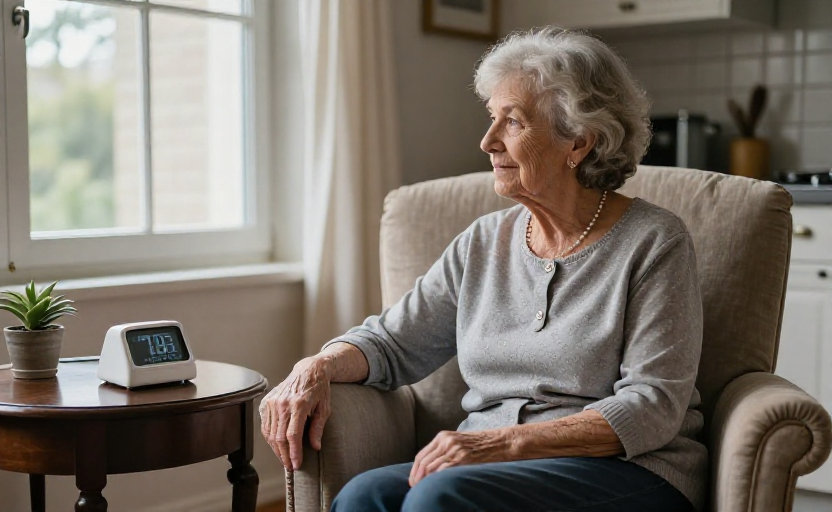
Joint stiffness in elderly parents often gets written off as just another part of aging. But the truth is, many seniors experience accelerated stiffness not because of age alone, but because of a seemingly harmless daily habit that quietly worsens their joints over time.
If you have noticed your father or mother moving more slowly in the morning, struggling to stand up from a chair, or complaining about feeling “creaky,” you may be watching the effects of this one overlooked mistake.
The mistake: prolonged sitting without movement breaks
It sounds simple, and it is. The daily living mistake that speeds up joint stiffness in elderly parents is sitting for hours on end without getting up. Whether it is watching television, reading, using a tablet, or just resting in a recliner, extended periods of inactivity allow joints to become less lubricated and muscles to tighten. Over weeks and months, this pattern accelerates the feeling of stiffness, especially in the knees, hips, and lower back.
Joints rely on movement to produce synovial fluid, which is the body's natural joint lubricant. When your parent remains seated for long stretches, that fluid production slows down. The result is what many describe as “starting up like an old engine” — painful, slow, and discouraging.
Why this is especially harmful for elderly bodies
As we age, cartilage naturally becomes thinner and less resilient. Tendons and ligaments lose some of their elasticity. Combine these normal changes with hours of stillness, and the joint capsule essentially “sets” in a flexed position. The first few steps after standing become difficult and uncomfortable. Over time, the joint may lose some of its range of motion permanently if the cycle is not interrupted.
This is not about telling your parents to run marathons. It is about breaking up stillness with brief, gentle movement every 30 to 45 minutes.
Other small habits that compound joint stiffness
While prolonged sitting is the main culprit, a few other daily routines often work together with it to worsen stiffness:
- Sleeping in one position all night — Staying still for 7–8 hours can leave joints feeling locked up in the morning. Encouraging gentle stretching in bed before standing can help.
- Skipping hydration — Joint cartilage is mostly water. When elderly parents do not drink enough fluids throughout the day, cartilage can become less spongy and more prone to stiffness.
- Wearing unsupportive footwear indoors — Walking around the house in slippers or bare feet on hard floors can increase strain on the knees and hips, amplifying stiffness later.
- Staying in cool or cold rooms — Cold temperatures can cause muscles and tendons to contract. Without warmth, joints stiffen more easily.
A simple routine: every time a TV show ends or a chapter finishes, stand up, take a few steps, and gently bend and straighten the knees twice. That alone can reset the joint.
How to help your parent break the stillness cycle
You do not need to lecture or nag. The most effective approach is to create easy opportunities for movement that fit naturally into their day.
Set gentle reminders
A kitchen timer, a phone alarm, or a smartwatch can serve as a friendly nudge. The goal is not exercise — it is simply getting up. Walk to the kitchen for a glass of water, step onto the balcony for a few breaths, or walk to the front door and back.
Make standing activities more comfortable
If your parent avoids standing because of discomfort, check their chair. Does it allow them to stand up easily? A chair that is too low or too soft makes standing harder, so they stay seated longer. A sturdy chair with armrests at the right height can encourage more transitions.
Incorporate movement into shared time
Instead of sitting down for a long phone call or video chat, suggest walking slowly around the house or garden while talking. Doing the dishes together, folding laundry while standing, or watering a few plants all add up to valuable joint movement.
Start and end the day with gentle range-of-motion moves
Encourage your parent to do a few simple moves while still in bed: point and flex the feet, circle the ankles, and gently pull one knee toward the chest at a time. This “wakes up” the joints before weight-bearing activity begins.
When stiffness signals something more serious
It is important to distinguish between general stiffness that improves with movement and pain that indicates something else. If your parent experiences sharp pain, swelling, redness, or a joint that feels hot to the touch, these are not normal aging signs. They warrant a medical evaluation. Likewise, if stiffness is accompanied by fever or unexplained fatigue, do not attribute it to inactivity alone.
General stiffness that eases after walking for a few minutes — and returns after sitting still again — is usually mechanical in nature and often responds well to increased daily movement. But any sudden change or persistent pain should be checked by a doctor.
The bottom line for caregivers and adult children
You cannot stop aging, but you can help your parent slow down the progression of stiffness by addressing the most common mistake: too much time seated without a break. Small changes to daily rhythm can yield noticeable improvements within a week or two.
Remind your parent that movement does not have to be structured or strenuous. It just has to be frequent. A few minutes of standing and gentle stepping each hour keeps the joints lubricated, muscles engaged, and mobility preserved for the long run.