We often reach for our phones to fill a quiet moment, to escape an awkward silence, or to simply pass the time. It feels like connection—a window to the world and the people in it. But what if this very habit, this automatic scroll through curated lives and endless feeds, is quietly deepening the sense of isolation it promises to cure?
The daily habit in question is passive social media consumption. It’s the routine of opening apps not to actively message a friend, but to mindlessly consume the highlights of others' lives. This distinction is crucial. While technology can bridge distances, the way we typically use platforms like Instagram, Facebook, or TikTok often functions more like a one-way mirror, leaving us observing from the shadows and feeling further away.
Why does scrolling often make us feel lonelier?
Social comparison is a powerful, almost instinctual human behavior. Social media platforms are essentially comparison engines, presenting a relentless stream of others' best moments: vacations, achievements, social gatherings, and polished appearances. When our daily reality—which includes mundane chores, quiet evenings, and personal struggles—is measured against this endless reel of highlights, it’s easy to feel lacking.
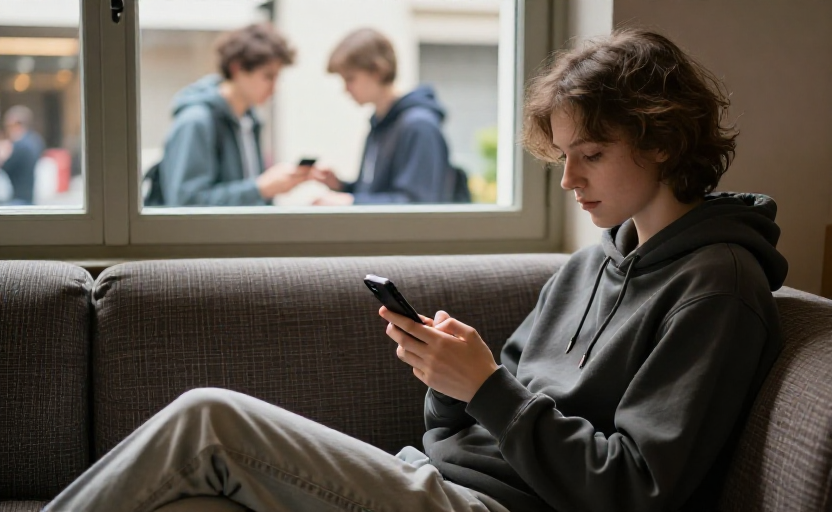
Passive scrolling often replaces active connecting, leaving us feeling more observed than involved.
This isn't just about envy. It creates a distorted perception that everyone else is leading a more connected, exciting life. You might see five friends at different parties on a Saturday night and conclude you’re the only one home. The algorithm doesn’t show you the dozens of other connections who are also reading a book or doing laundry. This skewed sample feels like social proof of your own isolation.
Furthermore, this habit can displace real-world interaction. The hour spent scrolling in bed is an hour not spent calling a family member, inviting a neighbor for coffee, or even being fully present with your own thoughts. It creates an illusion of social satiation—you’ve “been around people” digitally—without providing the psychological nourishment of actual conversation or shared experience.
The difference between passive consumption and active connection
Not all screen time is created equal. The key lies in intentionality.
- Passive Consumption: Endlessly scrolling through feeds, watching stories, and absorbing content without interaction. This is a receptive, often solitary act.
- Active Connection: Sending a direct message to check on someone, commenting meaningfully on a friend’s post, scheduling a video call, or sharing your own authentic update to foster conversation.
The first can amplify loneliness; the second can alleviate it. The habit that worsens feelings of loneliness is specifically the passive, observational mode of engagement. It turns social platforms into a stage where we are always in the audience, never in the cast.
Breaking the cycle: Small shifts with big impact
Changing this daily pattern doesn’t require deleting your accounts. It’s about changing your relationship with them.
Start by bringing awareness to your impulse. When you feel that twinge of boredom or loneliness and your hand reaches for the phone, pause. Ask yourself: What am I hoping to feel right now? If it’s connection, choose an active method. Send a voice note instead of scrolling. Text one friend a specific memory you have of them rather than liking 50 posts.
Curate your feed with purpose. Mute or unfollow accounts that consistently trigger comparison or a sense of inadequacy. Actively follow accounts that inspire, educate, or foster genuine community. Your digital environment shapes your mental environment.
Finally, create tech-free zones or rituals. The first 30 minutes of the morning and the last 30 before sleep are particularly powerful times to avoid passive consumption. This space allows your own thoughts and feelings to surface, and it prevents the curated world from being the first and last voice you hear each day.
Turning digital spaces into bridges, not barriers
The goal isn’t to villainize technology, but to use it as the tool it was meant to be. When you feel the pull to scroll, use it as a cue. Let it remind you of your desire for connection, then take a small, tangible step toward it.
That might mean putting the phone down and stepping outside for five minutes, where real-world sights and sounds can ground you. It might mean using the phone for its original purpose—to call someone and hear their voice. True connection is a practice, one that requires a bit more vulnerability and intention than double-tapping a screen. By shifting our daily habit from passive observing to active reaching out, we can transform a source of loneliness into a genuine thread in the fabric of our social world.