
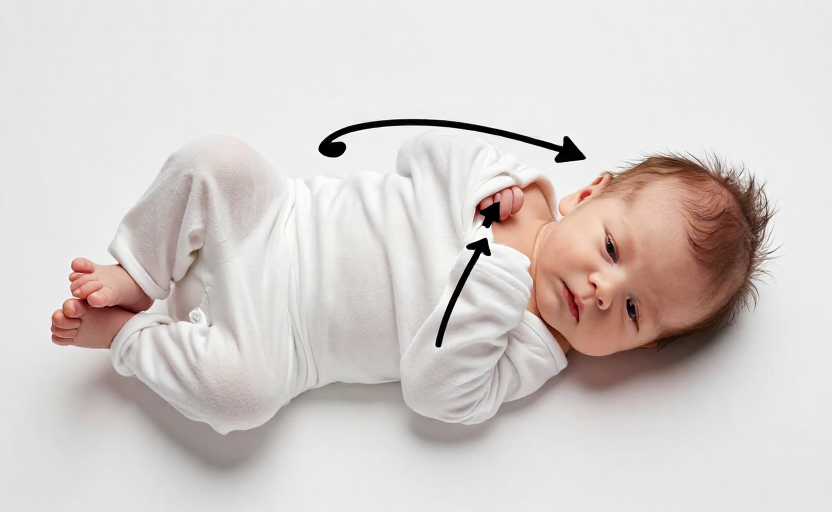
Swaddling is one of the oldest and most effective ways to help a newborn feel secure. When done correctly, it mimics the snugness of the womb, reducing the startle reflex and promoting longer stretches of sleep. Yet many parents find their baby wakes up fussy within minutes of being put down. According to pediatricians, the culprit is often a specific swaddle mistake that is surprisingly easy to make.
The problem usually boils down to fit—specifically, how tight the wrap is around the baby's hips and chest. A swaddle that is too loose can unravel, leaving loose fabric that poses a suffocation risk and fails to contain the startle reflex. But a swaddle that is too tight around the chest can restrict breathing and cause overheating, while one that is too tight around the hips can interfere with healthy joint development. The most common error, however, is placing the swaddle fabric too high on the chest, which can trigger the very startle reflex parents are trying to suppress.
Why the startle reflex keeps waking your baby
Newborns are born with the Moro reflex, an involuntary response to a sensation of falling or a sudden loud noise. When triggered, the baby throws out their arms and legs, arches their back, and then curls in—often crying. This reflex is strongest in the first two months. A tight, correctly placed swaddle holds the baby's arms close to the body, preventing the full expression of the Moro reflex and allowing the baby to stay asleep. If the swaddle comes undone or is too loose around the arms, the baby will wake themselves up repeatedly.
The mistake: wrapping too loose or too high
Pediatricians point to two specific fit issues that wake newborns. First, the swaddle must be snug enough so that the arms cannot break free. A loose wrap allows the baby to wriggle an arm out, which then triggers the startle reflex when the arm moves suddenly. Second, the top edge of the swaddle should sit at the baby's shoulder line, just below the chin. If the fabric is wrapped too far up—over the chin or lower face—it can stimulate the baby's trigeminal nerve, which can accidentally trigger a sucking reflex or cause discomfort that wakes them.
Pediatrician advice: The swaddle should be snug around the arms and body but loose around the hips. Check that you can slide two fingers between the fabric and your baby's chest—this ensures the wrap is tight enough to be effective but not restrictive.
Safe hip positioning matters more than you think
Many parents focus only on the arms and miss the hips. A swaddle that locks the baby's legs together and forces them straight down can increase the risk of hip dysplasia. Healthy swaddling allows the baby's hips to move freely and the knees to bend naturally. The International Hip Dysplasia Institute recommends swaddles that keep the baby's legs in a flexed, frog-like position. This is not just about safety—a baby who is uncomfortable from restricted hip movement will wake up more often. A simple technique is to wrap the lower portion of the swaddle slightly looser, allowing the legs to splay outward.
Signs your swaddle needs adjustment
- Waking within 10–20 minutes of being put down. This is a classic sign that the swaddle has loosened during transfer, allowing the arms to escape.
- Red marks on the baby's chest or back. Redness indicates pressure that is too tight—loosen the wrap slightly.
- The baby's face is flush against the fabric. If the swaddle rides up at night, reposition it so the airway stays clear.
- The baby can straighten their legs fully. Healthy swaddling should keep the hips bent outward, not locked straight.
Practical tips from pediatricians
For families struggling with the cycle of swaddle-then-cry-then-swaddle-again, pediatric sleep consultants and pediatricians recommend three practical adjustments. First, try a swaddle with a built-in sack and a zipper or velcro closure. These are much harder for a baby to break out of than a traditional blanket swaddle, especially once newborns become more active around 6–8 weeks. Second, always lay the baby flat on their back in a sleep sack or wearable blanket over the swaddle once they show signs of rolling—usually around 8–12 weeks—to reduce the risk of SIDS. Third, watch for signs of overheating: if the baby's neck or chest feels hot, or if they are sweating, remove a layer. Overheating is linked to a higher risk of SIDS and will wake a baby as surely as a cold room will.
When to stop swaddling
Pediatricians typically recommend stopping swaddling once the baby shows signs of attempting to roll over, which can happen as early as 2 months but most often around 3–4 months. Transitioning to a sleep sack or a wearable blanket is the safest next step. If you continue swaddling once the baby can roll, the swaddle prevents them from using their arms to roll back, raising the risk of sudden infant death. A good sign to stop is when the baby consistently breaks free of the swaddle at night—this is often their way of telling you they are ready for more freedom.