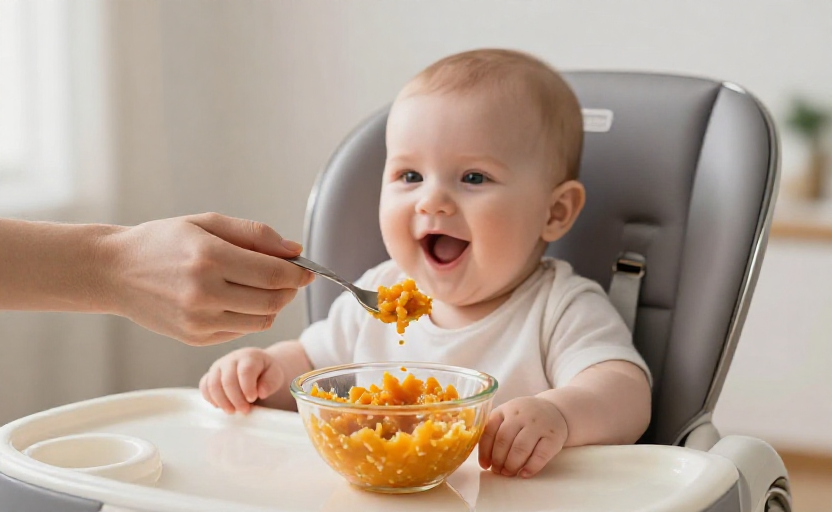
Starting your baby on solid foods is a milestone filled with excitement and, let's be honest, a fair bit of anxiety. You carefully choose that first spoonful, hoping for a happy, messy face. But sometimes, the reaction isn't what you hoped for—a gassy, fussy baby, or uncomfortable constipation. Often, the culprit isn't the food itself, but a common oversight in how we introduce it.
Many parents focus intently on what to feed—rice cereal, sweet potato, avocado. Yet, equally important is how you build that new menu. The most frequent misstep? Introducing multiple new foods too quickly, without giving your baby's immature digestive system time to adapt.
Why a baby's gut needs a gentle introduction
For the first several months of life, your baby's digestive system has only known breast milk or formula. These are perfectly designed, easily broken-down liquids. Solid foods are a completely new workload. Their gut must now produce different enzymes to break down complex starches and proteins, and their microbiome—the community of beneficial bacteria—begins to diversify to process these new compounds.
When you introduce a new food every day or two, it's like asking a new employee to learn a complex software program, switch departments, and manage a team all in their first week. It's overwhelming. The system can protest with signs of digestive distress.
Think of each new food as a guest at your baby's gut party. Introduce them one at a time, and give everyone a few days to get acquainted.
Recognizing the signs of digestive discomfort
How can you tell if the new diet is causing trouble? Look for changes beyond the typical mess. While some gas and variation in stool is normal, these signs may indicate the pace is too fast:
- Increased fussiness or crying, especially after feeding, that isn't soothed by usual methods.
- Noticeable bloating or a hard, distended tummy.
- Major changes in stool: sudden constipation (hard, pebble-like stools), diarrhea, or mucus in the diaper.
- Unexplained rash around the mouth or on the body.
- Frequent night waking when sleep was previously established.
These symptoms are your baby's way of communicating. They don't necessarily mean the food is an allergen, but rather that their system is struggling to process the new input on the current timeline.
The "waiting rule" and how to do it right
The standard pediatric guidance is to wait 3 to 5 days between introducing new single-ingredient foods. This isn't an arbitrary delay; it's a diagnostic window.
Here’s what a mindful introduction looks like in practice:
- Day 1: Offer a small amount (a teaspoon or two) of a single food, like puréed peas, at a morning meal. Observe.
- Days 2 & 3: Continue with that same food, slightly increasing the amount if tolerated. Watch closely for any of the signs mentioned above.
- Day 4: If no concerning symptoms have appeared, you can consider that food "cleared" for now. You can then begin the process with a new food, like mashed banana.
This method serves two critical purposes. First, it helps you pinpoint the cause if a reaction does occur. If a rash appears on day two of peas, you have a likely suspect. Second, it allows your baby's gut flora and enzymes to gradually adjust to one new compound before tackling another.
Beyond the first taste: combining foods wisely
Once a few individual foods have been introduced without issue, you can start to combine them. This is where another subtle mistake can happen: combining several new foods at once.
A safe approach is to mix a new food with a known food. For example, if sweet potato and oat cereal are already familiar to your baby, you can safely try a new food like chicken purée mixed with a little sweet potato. If discomfort arises, you still know the likely source is the new element.
Common first foods and their digestive profiles
Some classic first foods are gentler than others. While every baby is unique, understanding general tendencies can help you plan.
Often Gentle Starters: Puréed meats (iron-rich and easily absorbed), avocado, sweet potato, butternut squash. These are nutrient-dense and typically easy to digest.
May Require More Patience: Applesauce and bananas can be binding for some babies. Cruciferous vegetables like broccoli and cauliflower, while nutritious, can produce more gas. Introducing these in very small amounts and watching for tolerance is key.
Cereal Considerations: Iron-fortified single-grain cereals (oat, barley) are common first foods. Ensure they are well-mixed to a very thin consistency initially. Some pediatricians now recommend meats or other iron-rich foods as a first choice due to their superior nutrient profile and digestibility.
What about baby-led weaning?
The principle of pacing remains crucial, even if you're skipping purées. In baby-led weaning, you would still offer one new whole food at a time (e.g., a soft spear of avocado for several days) before moving on to a new item (like a soft floret of broccoli). The same 3-5 day observation rule applies.
When to pause and when to consult your pediatrician
If you notice signs of significant discomfort, take a step back. Pause new introductions, and return to only foods that are known to be well-tolerated for a few days until your baby's digestion settles. Then, you can resume at a slower pace.
Consult your pediatrician if symptoms are severe (e.g., projectile vomiting, bloody stools, signs of dehydration), if you suspect a food allergy (hives, facial swelling, difficulty breathing—seek immediate care), or if constipation or discomfort persists despite your adjustments.
Remember, introducing solids is a journey of exploration for you and your baby. Slowing down the process isn't a delay—it's a compassionate strategy that respects the pace of your baby's development. By tuning into their cues and introducing foods one at a time, you build a foundation for happy, healthy eating that supports their growing belly every step of the way.