Starting the day with a sugar-laden, nutrient-poor breakfast might seem harmless, but dietitians say that this common morning habit can directly undermine your mood and self-esteem. When blood sugar spikes and then crashes, it doesn't just affect your energy—it also influences how you feel about yourself.
The connection between what you eat and how you feel mentally is stronger than many people realize. And according to registered dietitians, the breakfast mistake that worsens low self-esteem more than any other is eating a meal that is high in refined sugar and low in protein, fiber, or healthy fat. Here is why that matters and what you can do about it.
Why a sugary breakfast hurts your self-esteem
When you eat a breakfast that is mostly refined carbohydrates—think sugary cereal, white toast with jam, pastries, or sweetened coffee drinks—your blood sugar rises quickly. Your body releases a surge of insulin to manage that spike, and soon after, your blood sugar crashes. That crash triggers the release of stress hormones like cortisol and adrenaline, which can cause irritability, brain fog, anxiety, and feelings of low energy.
These physical sensations can easily be misinterpreted as personal failure. You might think you are lazy, unmotivated, or incapable—when in reality, your body is reacting to what you ate. Over time, repeatedly experiencing these crashes can erode your confidence and make it harder to believe in your own abilities.
Dietitians point out that many people eat these breakfasts without realizing the mental toll they are taking. The cycle looks like this: you eat a sugary breakfast, you crash by mid-morning, you struggle to focus, you feel bad about yourself, and then you reach for another quick sugar fix to feel better—starting the cycle all over again.
“A breakfast that is too low in protein and too high in sugar can leave you feeling shaky, unfocused, and down on yourself before your day has even begun. That isn’t a character flaw—it’s chemistry.” — based on consensus among dietitians interviewed for this article
How low self-esteem and food are connected
Self-esteem is not just about how you think; it is also about how your body feels. When your energy is stable, your brain functions better, and you are more likely to feel capable and in control. When your energy is volatile, your brain struggles—and your self-perception suffers as a result.
Some people also use sugary breakfast foods as a quick comfort when they are already feeling down. That can create a feedback loop where low self-esteem leads to poor food choices, which then reinforce feelings of guilt, shame, and low energy. Dietitians call this the “shame-spike” cycle—you eat something you know isn't nutritious, you feel bad about yourself, and then you eat again to soothe that feeling.
The right start: breakfast foods that support mood and confidence
To break this cycle, dietitians recommend building a breakfast that balances three things: protein, fiber, and healthy fat. This combination helps stabilize blood sugar and provides a steady release of energy for the morning ahead.
Examples of balanced breakfasts include:
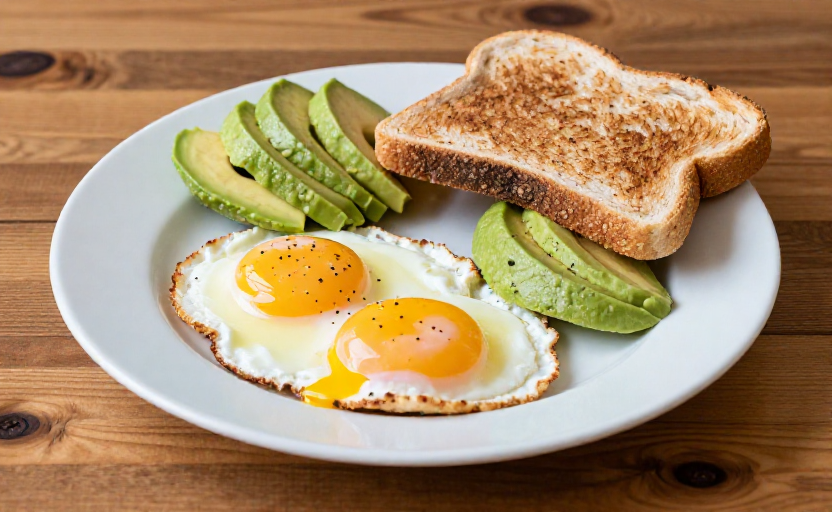
- Eggs with vegetables and a side of avocado
- Greek yogurt with berries and a sprinkle of nuts or seeds
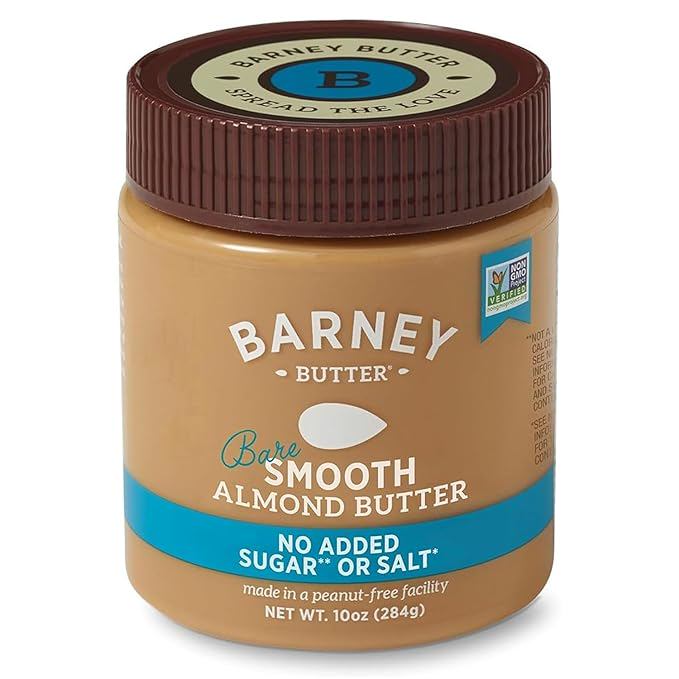
- Oatmeal made with milk or plant-based protein, topped with nut butter and fruit
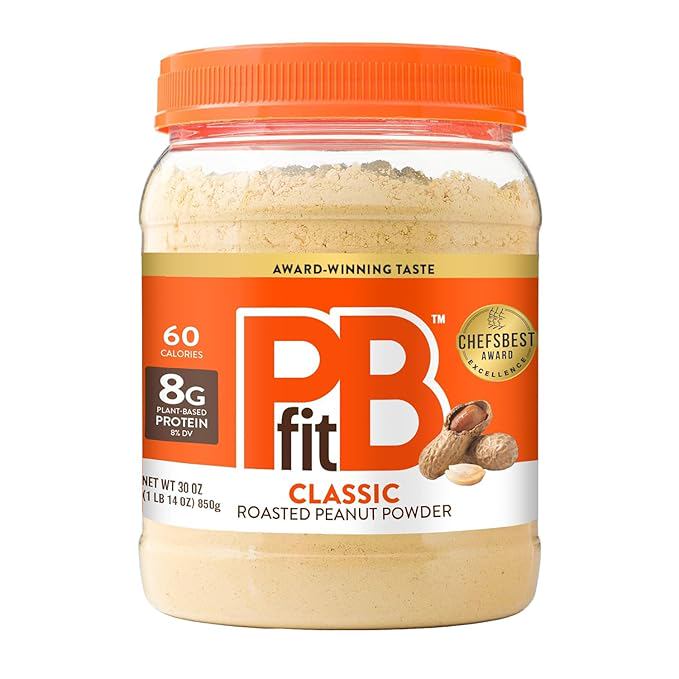
- A smoothie with protein powder, spinach, a banana, and almond butter
- Whole-grain toast with smoked salmon or cottage cheese and sliced cucumber
These meals do not need to be complicated or time-consuming. Even small shifts—like adding a hard-boiled egg to your usual toast or swapping sugary cereal for plain oatmeal with fruit—can make a meaningful difference in how you feel physically and emotionally by mid-morning.
Mindset shifts matter too
While nutrition plays a powerful role, dietitians also emphasize that breakfast alone will not fix deeply rooted self-esteem issues. The goal is not to pressure yourself into the “perfect” breakfast, but rather to notice how certain foods make you feel and to experiment with changes that support you.
Instead of telling yourself, “I have to eat a perfect breakfast or I’ve failed,” try a gentler approach: “I am going to eat something that helps my body and brain feel steady this morning.” This small mental reframe can reduce the shame that sometimes comes with eating, and instead make breakfast an act of self-care rather than a source of stress.
If you have been struggling with low self-esteem for a while, working with a therapist or counselor is an important step. Food can help stabilize your mood, but it is not a replacement for professional mental health support when it is needed.
What about coffee and tea?
Black coffee or unsweetened tea on an empty stomach is not usually the problem—it’s what you add to it. Many people drink coffee with a lot of sugar and creamer, which can act similarly to a sugary breakfast. If you enjoy coffee, consider having it with a balanced meal or a small protein-rich snack, and avoid loading it with sweeteners if you are sensitive to blood sugar swings.