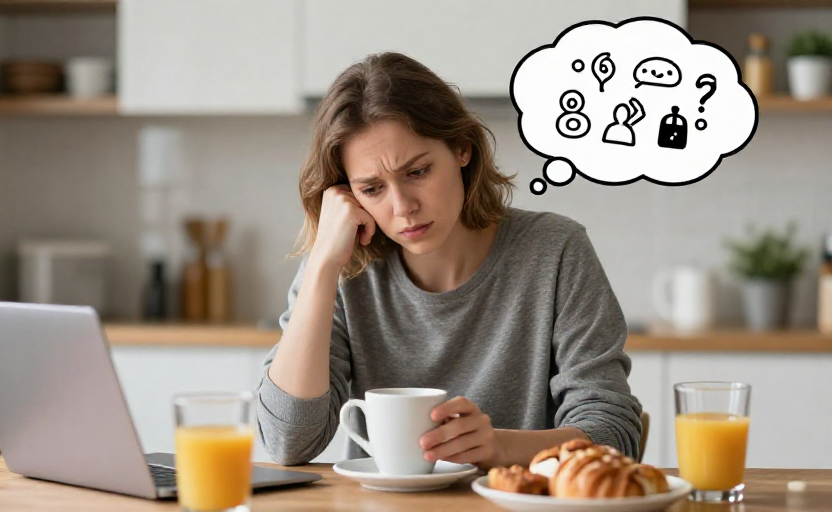
Most people start their day with a coffee or a tea, but a growing body of research suggests that a certain popular breakfast drink may do more than just jolt you awake—it could be fueling feelings of social anxiety. While many factors influence how we feel in social situations, what you sip first thing in the morning might play a bigger role than you think.
For those who struggle with shyness, public speaking nerves, or that uneasy feeling in crowds, the link between diet and anxiety is worth examining. Newer evidence points to caffeine—especially in concentrated forms like coffee—as a potential amplifier of anxious thoughts and physical symptoms like a racing heart. For some, this combination can make social interactions feel even more daunting.
What the Research Says About Caffeine and Anxiety
Caffeine is a well-known central nervous system stimulant. It blocks adenosine, a neurotransmitter that promotes relaxation, which explains why it makes you feel more alert. But for people predisposed to anxiety disorders, this same mechanism can backfire. Studies have shown that high doses of caffeine can trigger or worsen symptoms of generalized anxiety, panic attacks, and social anxiety in particular.
One clinical study published in the Journal of Clinical Psychopharmacology found that individuals who consumed caffeine equivalent to about 5 cups of coffee reported significantly higher levels of anxiety during social tasks than those who had a placebo. The physical sensations of caffeine—rapid heartbeat, sweaty palms, restlessness—are nearly identical to the body's fear response. If you already feel nervous in a group setting, adding caffeine can create a vicious feedback loop: you feel your heart race, you interpret it as danger, and then you feel even more anxious.
It's Not Just Coffee—Watch the Latte and Energy Drinks
While black coffee is the most obvious source, other breakfast drinks can pack even more caffeine per ounce. Popular iced lattes, bottled cold brews, and energy drinks often contain 150–200 mg or more per serving. The issue isn't just the caffeine itself, but the speed at which it enters your system. A large coffee on an empty stomach can spike your blood levels of the stimulant quickly, making you feel jittery and on edge before you even leave the house.
For people with social anxiety, this morning ritual can set the tone for the whole day. If you notice that your nerves are worse on days you drink a strong coffee, and calmer on days you skip it or switch to something else, the connection might be direct.
Does Caffeine Worsen Social Anxiety in Everyone?
Not everyone reacts strongly to caffeine. Genetics play a role in how fast your liver metabolizes it, which influences whether you feel a gentle lift or an anxious roar. But the research is consistent: caffeine is a known anxiety-producing agent in vulnerable individuals. If you already carry a tendency toward social worry, even one or two cups of coffee could tip you from manageable nervousness into full-blown avoidance.
"For individuals with social anxiety, the physical symptoms caused by caffeine can trigger a catastrophic misinterpretation—'Something is wrong with me'—which then intensifies the anxiety itself."
The good news is that this is one of the more controllable environmental triggers. Unlike genetics or life circumstances, your morning beverage is completely under your control.
Practical Steps for the Anxious Mornings
If you suspect your breakfast drink is contributing to social anxiety, try these adjustments. First, reduce your caffeine intake gradually—quitting cold turkey can cause withdrawal headaches and fatigue, which can also heighten anxiety. Consider swapping your morning coffee for a smaller cup, a half-caff blend, or a low-caffeine alternative like matcha, which contains L-theanine—an amino acid that promotes calm alertness.
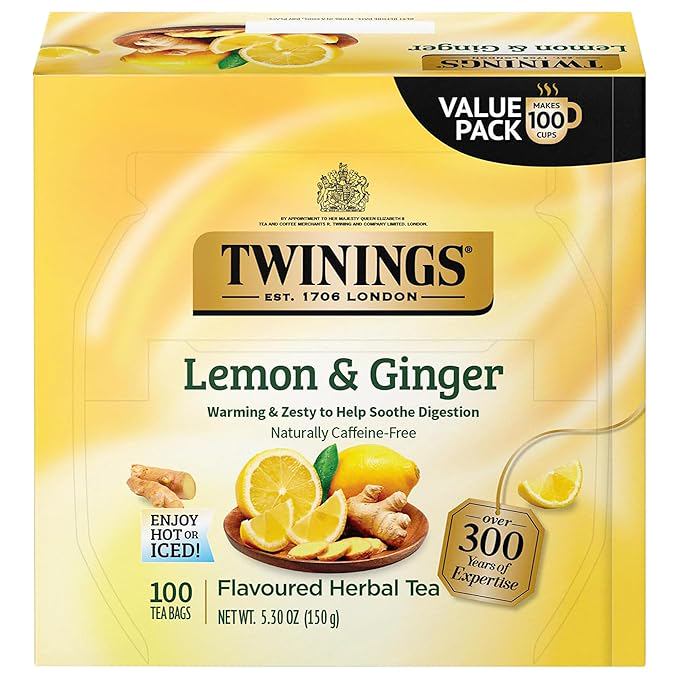
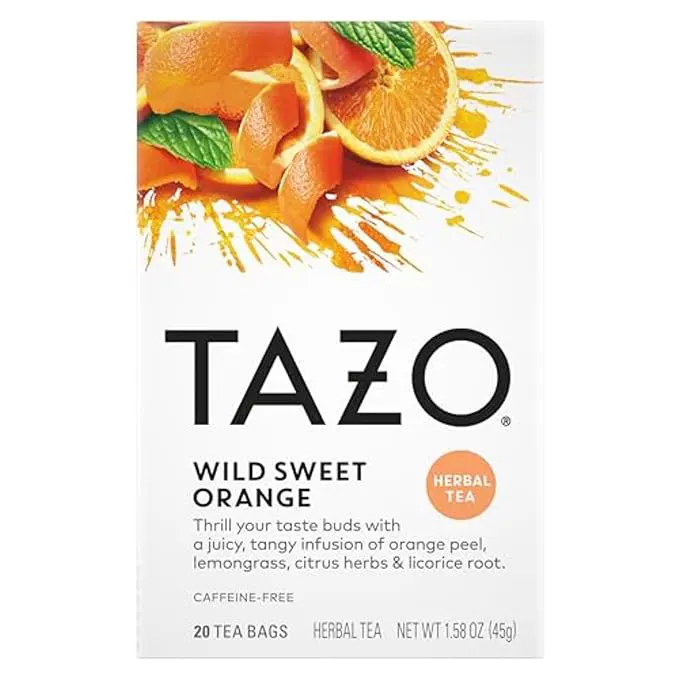
Decaf coffee isn't entirely caffeine-free but contains only a trace (2–5 mg per cup), making it a much safer choice for the anxiety-prone. Herbal teas like peppermint or chamomile are zero-caffeine options that can be soothing rather than stimulating.
Second, never drink caffeine on an empty stomach. Pair it with a protein-rich breakfast—eggs, yogurt, or a smoothie with nuts. Protein slows absorption and helps stabilize blood sugar, which blunts the anxiety spike.
The Bottom Line for Your Social Life
Coffee isn't "bad"—it has well-documented benefits for focus, mood, and even long-term brain health—but it is not neutral for everyone. If social anxiety is part of your daily experience, the breakfast drink you choose matters. Research suggests that caffeine acts as an amplifier of anxious feelings, especially in social settings. By paying attention to how your body responds, and adjusting your morning routine accordingly, you can take a small but meaningful step toward feeling more at ease when it matters most.
Talk with a mental health professional or your primary care doctor for personalized guidance, especially if anxiety is interfering with your daily life. And tomorrow morning, before you pour that cup, pause and consider: Is this helping me feel ready, or is it priming me for worry?