Finding a snack that doesn't send your energy on a rollercoaster can feel like a puzzle. The wrong choice—say, a handful of crackers or a granola bar—can lead to a quick spike, followed by a sluggish crash that leaves you reaching for more sugar. But the right snack does the opposite: it provides steady fuel, keeps you satisfied, and supports balanced glucose levels between meals.
Dietitians know that the secret to a blood-sugar-friendly snack lies in a simple formula: pair a source of protein or healthy fat with a high-fiber carbohydrate. This combination slows digestion, blunts the glucose response, and keeps your energy even. Here are some of the best snacks dietitians actually reach for, with the science that explains why they work.
An Apple with Peanut Butter
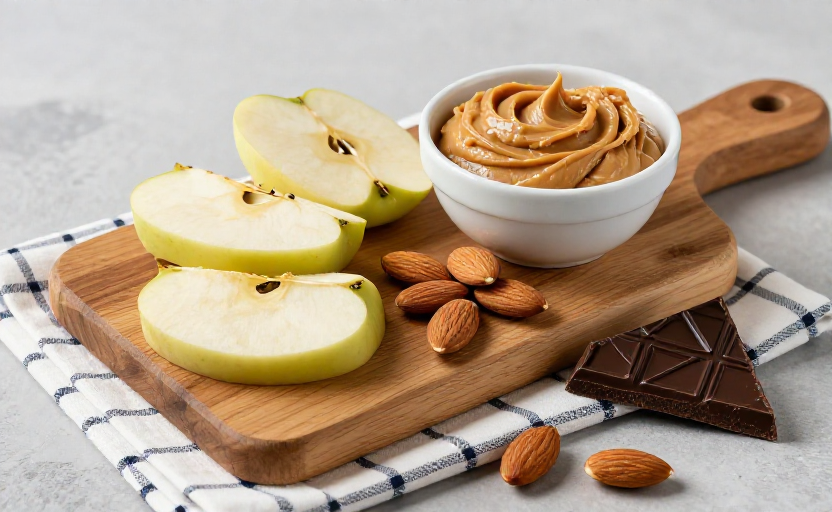
Few snacks are as straightforward—and as effective—as a crisp apple with a smear of peanut butter. The apple supplies pectin, a type of soluble fiber that helps slow the release of sugar into your bloodstream. Peanut butter adds protein and monounsaturated fat, which further delays gastric emptying and promotes satiety. A 2019 study in Nutrients found that apples consumed with peanut butter led to a significantly lower blood glucose response compared to apples eaten alone. Go for an unsweetened peanut butter to avoid added sugars that could undermine the benefit.
Greek Yogurt with Berries and Nuts
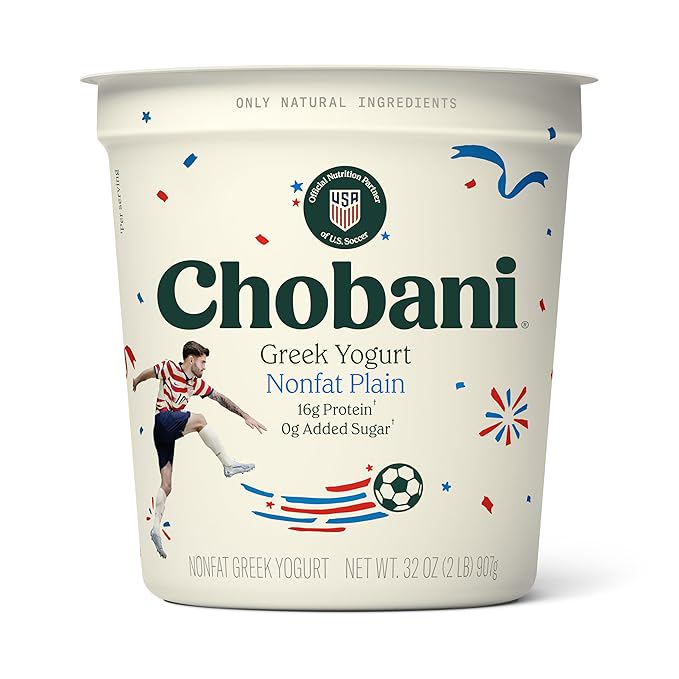
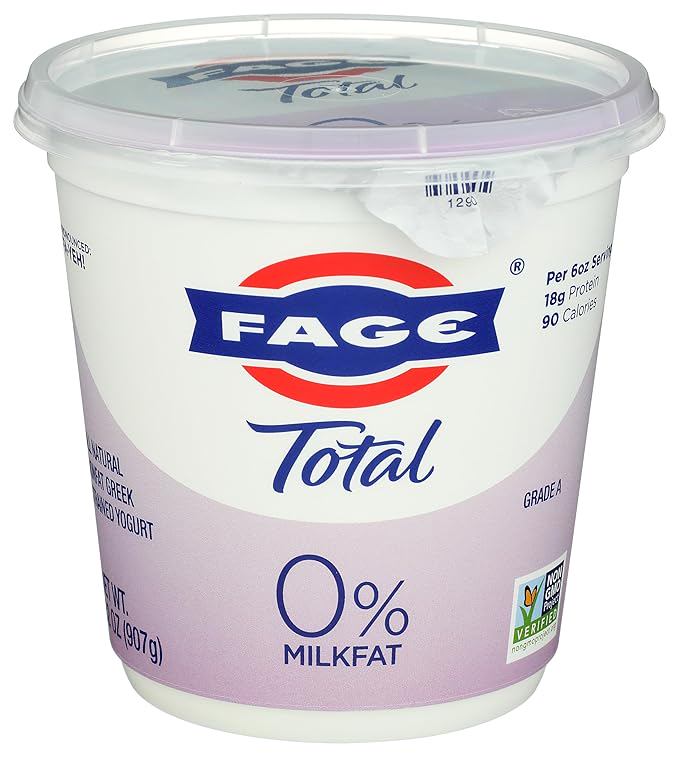
Plain Greek yogurt is a protein powerhouse, often packing around 15 to 20 grams per cup. When you swirl in a handful of berries, you add fiber and antioxidants like anthocyanins, which some research suggests may improve insulin sensitivity after meals. Top it with a tablespoon of walnuts or almonds, and you introduce healthy fats that stabilize the energy release even further. The key is to choose plain yogurt—flavored versions can contain as much sugar as a dessert. Dietitians often call this a perfect mini-meal for late morning or early afternoon.
Hummus and Veggies
Chickpeas are a double threat: they offer both fiber and protein. Blended into hummus with tahini, olive oil, and lemon, they become a creamy dip that pairs beautifully with raw vegetables like bell peppers, cucumber slices, or sugar snap peas. The combination of fiber from the veggies and chickpeas plus the fat from the tahini and oil create a trifecta that keeps blood sugar from rising too quickly. A 2020 randomized crossover trial found that chickpeas have a lower glycemic index than many other starchy foods, and they evoke a slower glucose response. Keep portions sensible—about a quarter cup of hummus with a cup of vegetables is plenty.
Cheese and Whole-Grain Crackers
Cheese is nearly zero-carb and rich in protein and fat, making it an excellent partner for a small serving of carbohydrates. Whole-grain crackers add fiber and a slower-digesting starch. Together, the fat and protein in the cheese buffer the glucose response from the crackers. Look for crackers with at least 3 grams of fiber per serving and no added sugars. A stick of string cheese or a slice of cheddar works well—just be mindful of sodium if that’s a concern for you.
Edamame
Edamame—young soybeans still in the pod—are a plant-based protein standout. One cup of shelled edamame provides about 18 grams of protein and 8 grams of fiber, with a natural carbohydrate load that is mostly fiber and complex starch. The result is a very gentle effect on blood sugar. Dietitians recommend either steamed edamame with a sprinkle of sea salt or the dry-roasted version. Both are shelf-stable and easy to pack for travel or work.
Egg and Avocado on a Wasa Crispbread
A hard-boiled egg on half an avocado, scooped onto a high-fiber rye crispbread, is more of a mini-meal than a snack—but that’s exactly the point when you need lasting energy. The egg provides high-quality protein, the avocado delivers a generous dose of monounsaturated fat and fiber, and the crispbread adds whole-grain fiber. This trio has a robust glycemic stability effect. If you need an even lower-carb option, skip the crispbread and eat the egg and avocado straight.
Cottage Cheese with Cinnamon and Sliced Pear
Cottage cheese is a lean dairy protein that pairs surprisingly well with fruit. A pear offers fiber (especially in the skin), while cinnamon provides a compound called cinnamaldehyde, which some small studies suggest may improve glucose uptake. The protein in cottage cheese—about 14 grams per half-cup—keeps blood sugar steady so you don’t feel hungry soon after. Choose full-fat or reduced-fat cottage cheese; the fat helps with flavor and satiety, and the difference in calories is modest.
A Handful of Almonds
Sometimes the simplest snack is the most effective. Almonds are rich in fiber, protein, and vitamin E, and they have a low glycemic index. When eaten alone, they produce almost no glucose spike. In a 2017 study, almonds consumed with white bread reduced the overall glucose response by about 30% compared to bread alone. A portion of about 23 almonds (one ounce) works well. Don’t overdo it—nuts are calorie-dense, and a small handful goes a long way toward keeping glucose stable.
Dark Chocolate and Walnuts
Yes, chocolate can be part of a blood-sugar-friendly snack. Choose dark chocolate with 70% cocoa or higher, which contains flavanols that may support insulin sensitivity. Combine it with walnuts, which are high in omega-3 fatty acids and fiber. The fat and fiber from the walnuts blunt the small amount of sugar in the dark chocolate, making this an unusual but effective choice for curbing a sweet craving without destabilizing glucose. One or two squares with a handful of walnuts is enough.
The common thread among all these snacks is intentional composition. Protein and fat are the anchors; fiber comes from vegetables, fruit, legumes, or whole grains. By building your snack this way, you give your body time to process carbohydrates gradually rather than all at once. Snacking this way is not about restriction—it’s about choosing foods that work in concert with your body’s natural rhythms to keep you feeling energized, clear-headed, and satisfied between meals.