
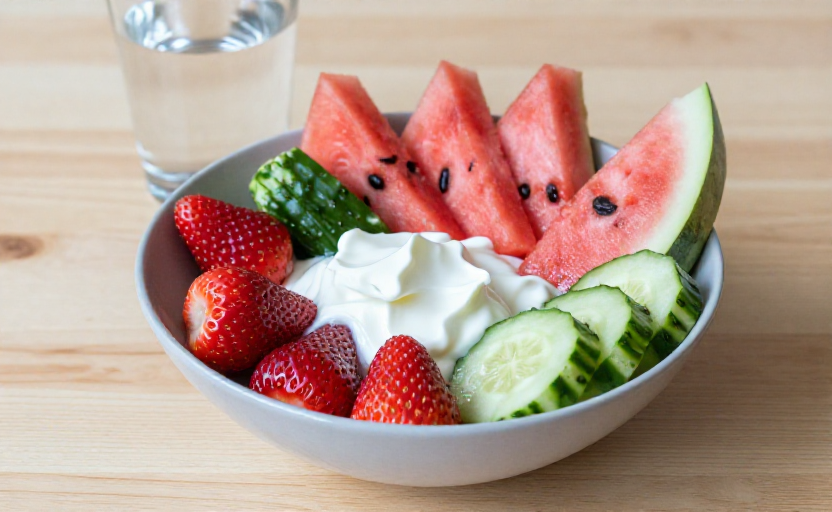
Most of us wake up slightly dehydrated after a night without fluids. While reaching for a glass of water is always a good first step, what you eat for breakfast can also make a significant difference in your hydration levels throughout the morning. Relying solely on thirst cues can be unreliable, especially early in the day. Building your morning meal around high-water foods is a gentle, effective strategy for maintaining consistent hydration without having to chug glass after glass.
Foods with high water content provide hydration that is absorbed gradually, often alongside essential vitamins, minerals, and fiber. This steady release helps avoid the sudden spike and crash in hydration status that can occur with plain water alone. For daily hydration consistency, integrating these foods into your breakfast routine is a smart, sustainable habit.
Why breakfast is the ideal meal for hydration consistency
Your body’s water balance fluctuates overnight through respiration and perspiration. Blood volume decreases slightly, and concentration of solutes increases. Electrolytes like sodium and potassium play a role in how your body retains and distributes water. Eating hydrating foods at breakfast provides a dual benefit: you replenish fluids and deliver key electrolytes and nutrients that support optimal fluid balance. This is why a dry breakfast of toast and eggs may leave you feeling thirsty by mid-morning, while a meal built around water-rich ingredients keeps your energy and focus more even.
Tip: Pair high-water foods with a small amount of protein and healthy fat to slow digestion and stabilize blood sugar — this also helps your body use the water more efficiently throughout the morning.
Top high-water foods to build your breakfast around
When choosing ingredients, look for options that contain 85% water or more. These foods not only hydrate but often deliver antioxidants, fiber, and micronutrients that support overall wellness.
Fresh fruits: nature’s hydration package
Many fruits are over 90% water. Adding a generous portion to your breakfast bowl is one of the simplest ways to increase fluid intake. Some of the best options for morning meals include:
- Watermelon and cantaloupe — These melons contain around 92% water. A cup of cubed watermelon provides roughly 5 ounces of fluid along with vitamin C and lycopene. Cantaloupe adds beta-carotene for immune health.
- Strawberries and raspberries — Berries hover around 91% water and are low in natural sugar compared to other fruits. They pair well with yogurt or oatmeal. Frozen berries work just as well and are often more affordable.
- Oranges and grapefruit — Citrus fruits are about 88% water and provide a boost of vitamin C. The fiber in the segments also supports gut health.
- Apples and pears — With roughly 86% water, these are slightly less hydrating but still excellent choices, especially when eaten with the skin for added fiber.
Cucumber and celery: unexpected breakfast additions
These vegetables might not seem like typical breakfast ingredients, but they add crunch and hydration without overwhelming flavor. Cucumber is 96% water, and celery is about 95%. Thinly sliced cucumber works beautifully in a breakfast salad with yogurt and herbs, while celery can be dipped in nut butter for a savory-sweet balance. Both provide electrolytes like potassium and magnesium.
Yogurt and kefir: dairy-based hydration
Plain yogurt and kefir contain about 85–88% water. They also provide probiotics, calcium, and protein. Greek yogurt is slightly lower in water content due to straining but still a good option. Kefir, a fermented milk drink, is thinner and even more hydrating. Both can be blended into smoothies or served with fruit and a drizzle of honey.
Coconut water: a fluid-rich beverage base
While technically a drink, coconut water is often used as a base for breakfast smoothies and bowls. It has a natural electrolyte profile, including potassium, sodium, and magnesium, that supports rehydration. Unlike plain water, it provides a small amount of carbohydrates for quick energy. However, be cautious with flavored or sweetened versions — stick to unsweetened varieties.
How to combine these foods into a consistent morning routine
Consistency is about making the habit easy to repeat. You do not need a complicated recipe every day. A few simple templates can be rotated to keep breakfast interesting while ensuring you get a steady dose of water-rich ingredients.
- Smoothie bowls: Blend unsweetened coconut water or kefir with frozen berries and a handful of spinach. Top with sliced melon and a tablespoon of chia seeds (which absorb water and extend hydration).
- Overnight oats: Use a 1:1 ratio of oats to liquid (milk or coconut water), then mix in shredded apple or grated pear. The oats absorb the liquid, creating a hydrating, fiber-rich meal. Add berries in the morning.
- Yogurt parfaits: Layer plain Greek yogurt with sliced oranges, strawberries, and a few cucumber slices for crunch. This combination offers water, protein, and probiotics.
- Egg and vegetable scramble: While eggs themselves are about 75% water, adding diced zucchini, bell peppers, and tomatoes significantly increases the water content. Serve with a side of melon.
Quick tip: If you are short on time, a single grab-and-go option like a pear and a small container of yogurt can still provide substantial hydration compared to a dry pastry or granola bar.
Common questions about hydration and breakfast foods
Can you rely on food alone for hydration?
Food can contribute significantly to your total fluid intake — roughly 20–30% for most people. However, drinking plain water throughout the day is still important, especially before and after exercise. High-water breakfast foods complement, rather than replace, direct fluid intake.
Do frozen fruits have the same water content?
Yes, freezing does not alter the water content of fruit. In fact, frozen berries are often picked at peak ripeness and flash-frozen, locking in their nutrient and water content. They are an excellent, convenient option for smoothies and overnight oats.
Are high-sugar fruits a concern for hydration?
Whole fruits with natural sugars are not a problem for most people when consumed in reasonable portions. The water and fiber in fruits like watermelon and oranges help slow sugar absorption. People managing diabetes or insulin resistance should be mindful of portion sizes but do not need to avoid these fruits entirely.
How do electrolytes in breakfast foods affect hydration?
Electrolytes like potassium, magnesium, and calcium help regulate fluid balance at the cellular level. Foods like yogurt, melon, and coconut water provide these minerals naturally. A balanced electrolyte profile supports better retention and distribution of water compared to plain water alone, which is why hydrating foods can be more effective for sustained hydration.
Building a breakfast habit around water-rich foods does not require a complete overhaul of your morning. Small shifts — adding berries to oatmeal, switching to a smoothie base of coconut water, or including a side of melon — can have a meaningful impact on how you feel by noon. Over time, these choices become automatic, helping you maintain consistent hydration without extra effort. Your body will notice the difference in energy, focus, and overall comfort.