Managing diabetic neuropathy can feel like a constant balancing act. You're not just watching your blood sugar — you're also dealing with nerve pain, tingling, and sleep disruptions that can make a good night's rest feel out of reach. Many people with diabetes find that a well-chosen bedtime snack can help stabilize blood sugar overnight and provide nutrients that support nerve health.
We spoke with registered dietitians who specialize in diabetes care to find out which snacks are best to eat before bed when you have diabetic neuropathy. Their advice focuses on foods that combine protein, healthy fats, and complex carbohydrates — and that avoid sugar spikes and inflammation triggers.
What makes a good bedtime snack for neuropathy?
Not all snacks are created equal when you're managing nerve damage from diabetes. Dietitians point to three key principles:
- Blood sugar stability. A snack with protein, fiber, or fat helps slow glucose absorption overnight, preventing dangerous morning highs or middle-of-the-night drops.
- Anti-inflammatory nutrients. Neuropathy involves chronic inflammation of the nerves. Snacks rich in omega-3s, vitamin B12, vitamin D, and antioxidants can help soothe that inflammation.
- Magnesium and B vitamins. These nutrients are essential for nerve function and repair. Many people with diabetic neuropathy are deficient in magnesium, which can also help relax muscles and improve sleep.
Quick tip: Keep your snack to about 150–200 calories and avoid added sugars. A small, nutrient-dense snack is all you need — not a second dinner.
5 dietitian-approved bedtime snacks for diabetic neuropathy
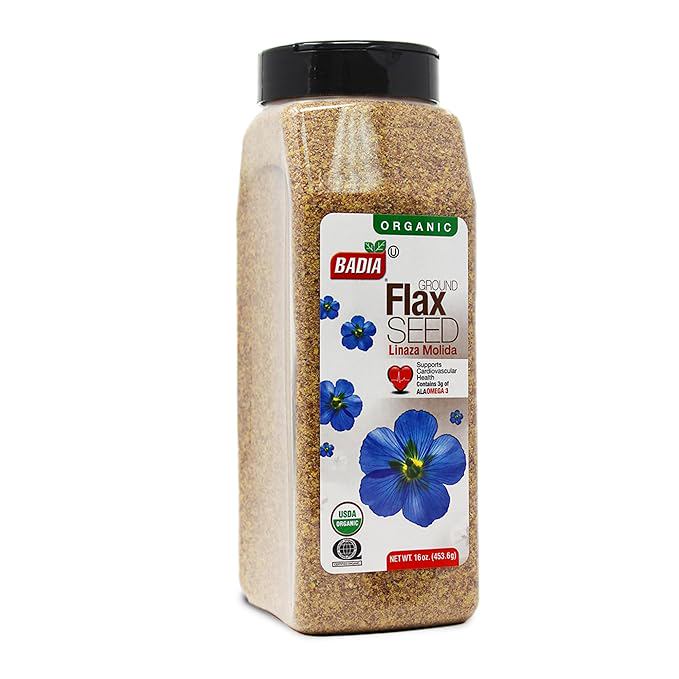
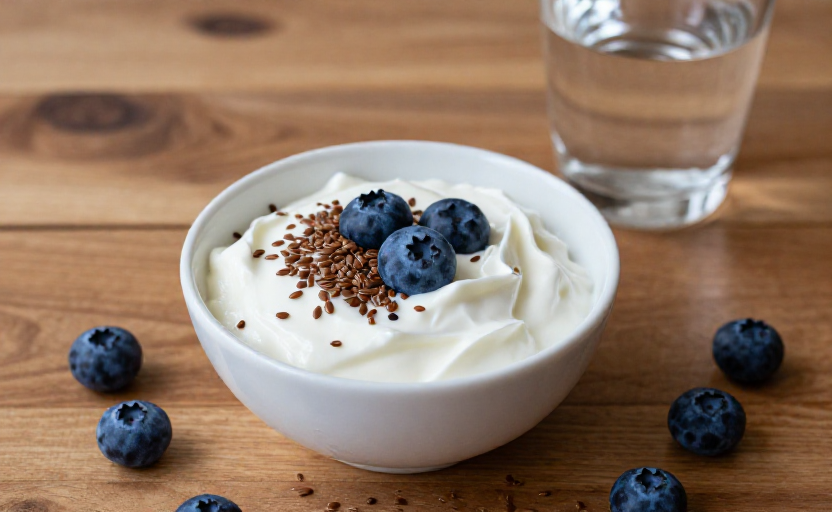
1. Greek yogurt with a sprinkle of flaxseed
Plain Greek yogurt is packed with protein (roughly 15–20 grams per serving) and contains calcium and vitamin D. A tablespoon of ground flaxseed adds fiber and alpha-linolenic acid, a plant-based omega-3 that helps fight the inflammation driving nerve pain. If you want a touch of sweetness, add a few berries instead of honey or agave.
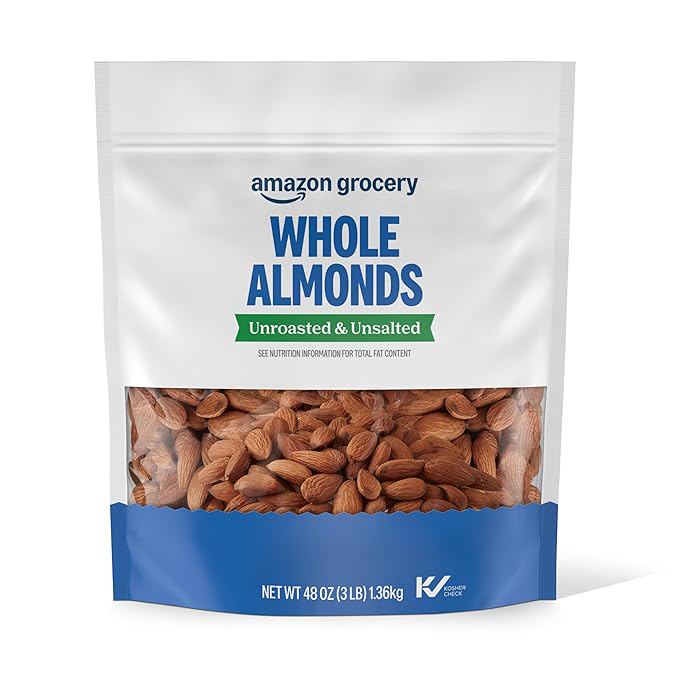
2. A handful of almonds and an apple
Almonds are one of the best natural sources of magnesium — a mineral that calms nerve excitability and may reduce the tingling and burning sensations of neuropathy. An apple provides fiber and pectin, which supply a gentle, steady release of glucose while you sleep. This pairing is easy to portion: about 10–12 almonds and half a medium apple.
3. Celery with almond butter
Celery is low in carbohydrates and has a natural anti-inflammatory compound called apigenin. Almond butter delivers magnesium, vitamin E, and healthy fats. The combination is crunchy, savory, and surprisingly satisfying — plus it won't spike your blood sugar.
4. A small bowl of oatmeal with walnuts
Choose rolled oats (not instant) and top them with a handful of walnuts. Oats contain beta-glucan, a soluble fiber that helps smooth out glucose response. Walnuts are rich in ALA and vitamin E, both of which support nerve cell membranes. Skip the brown sugar; try a dash of cinnamon instead, which may improve insulin sensitivity.
5. Cottage cheese with cucumber slices
Cottage cheese is high in casein protein, which digests slowly and keeps your blood sugar even throughout the night. Cucumbers are hydrating and low in carbs, making them a crisp, safe vehicle. This snack is especially good if you prefer something savory before bed.
What to avoid
Certain foods can worsen neuropathy symptoms or cause blood sugar swings at night. Dietitians recommend staying away from:
- High-sugar desserts (cookies, ice cream, cake) — they cause glucose spikes and promote inflammation.
- Refined grains (white bread, crackers, pretzels) — they break down into sugar quickly and offer no nerve-protective benefits.
- Alcohol — it can worsen nerve pain and interfere with glucose regulation during sleep.
- Caffeinated drinks — coffee, black tea, or energy drinks can disrupt sleep and worsen anxiety-related neuropathy symptoms.
How much to eat and when
Timing matters. Most dietitians suggest eating your snack about 30–60 minutes before bed. That gives your body enough time to start digesting before you lie down, which reduces the risk of acid reflux. Keep portions small: think around 150 calories, or roughly the size of your palm for protein-based snacks and a handful for nuts.
The bottom line: A bedtime snack for diabetic neuropathy should support blood sugar control and provide nerve-nourishing nutrients. Whole foods, not supplements or processed bars, are the most reliable option.
If you're unsure what's right for your particular blood sugar pattern, talk to your healthcare provider or a registered dietitian. They can help you fine-tune the timing and composition of your evening snack to match your glucose trends and neuropathy symptoms.