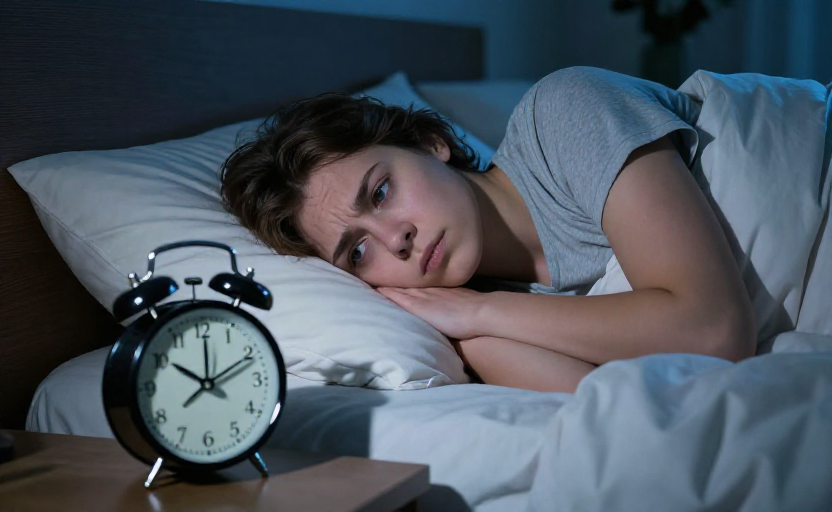
You diligently go to bed at the same time every night. You black out the windows, keep the room cool, and turn off your phone an hour before lights out. You are doing everything right, and yet you are still waking up at 2:00 AM with a racing mind, unable to drift back off. You are not alone. Many people with chronic insomnia or other sleep disorders share one seemingly innocent habit that experts say is actively undermining their rest: trying too hard to sleep.
In the world of behavioral sleep medicine, this counterintuitive trap has a name—sleep effort. It is the bedtime habit of worrying about sleep, monitoring yourself for signs of drowsiness, and using elaborate rituals to force shut-eye. According to leading sleep specialists, high sleep effort is one of the most reliable predictors that a sleep disorder will persist. The harder you try, the more elusive sleep becomes.
What is sleep effort?
Sleep effort is the conscious, deliberate attempt to make yourself fall asleep. It involves checking the clock, counting down the hours you have left, and mentally scanning your body for tension or alertness. You might tell yourself, “I need to fall asleep now or tomorrow will be a disaster.” This mental striving keeps your brain in a state of low-level alertness, which is the exact opposite of the relaxed, passive state required for sleep onset.
Dr. Guy Meadows, a clinical sleep specialist, describes this phenomenon as the “performance paradox” of sleep. The more you treat sleep like a performance that must be executed correctly, the more your autonomic nervous system shifts into a mild fight-or-flight response. Cortisol levels edge up, heart rate variability changes, and sleep becomes a battleground.
One simple reframe: Sleep is not something you do. It is something that happens when the conditions are right.
How this habit makes insomnia worse
Sleep effort is particularly damaging for people with psychophysiological insomnia, a condition where learned anxiety about sleep becomes a self-fulfilling prophecy. This is the most common form of chronic insomnia. It often starts with a stressful life event that disrupts sleep, but it persists long after the stressor is gone because the brain builds a negative association with the bed.
When you lie in bed and try hard to sleep, your brain eventually learns: “Bed is a place of worry and effort, not rest.” The bedroom itself becomes a trigger for alertness. This conditioning can be so strong that you feel drowsy on the couch in the living room, but wide awake the moment you walk into your bedroom. The bedtime rituals you do with great intention—stretching, deep breathing, checking the sleep tracker—can become cues that signal your brain to start working, not relaxing.
Compounding the problem is sleep-related monitoring. People who try hard to sleep often track their sleep quality obsessively—checking the clock to see how long they have been in bed, comparing nightly data from a smart watch, or analyzing how tired they feel in the morning. This constant monitoring keeps the problem present in your mind, reinforcing the belief that sleep must be controlled or it will go wrong.
What sleep experts recommend instead
The most effective behavioral treatments for insomnia, particularly Cognitive Behavioral Therapy for Insomnia (CBT-I), take a counterintuitive approach: they ask you to do less. Instead of trying to sleep, clinicians guide patients to let go of the effort entirely.
One core strategy is stimulus control therapy. This involves getting out of bed if you cannot fall asleep within 20–30 minutes and returning only when you feel genuinely sleepy—not just tired. This breaks the mental association between the bed and wakeful effort. Another approach is paradoxical intention, a technique where you tell yourself, “Stay awake as long as possible.” By removing the pressure to fall asleep, anxiety drops, and sleep often arrives unexpectedly.
Experts also emphasize the importance of limiting pre-sleep worry time. Schedule a fifteen-minute “worry period” in the early evening, where you write down or mentally review any concerns for the day. When you get into bed and notice yourself trying to fall asleep, gently redirect your thoughts to something neutral or boring—such as visualizing the texture of a gray blanket or listing the steps of a familiar recipe. The goal is to let your brain settle without demanding it to shut down.
The role of sleep trackers and gadgets
Wearable sleep trackers, smart rings, and bedside sleep monitors present a modern twist on the sleep effort problem. While these devices can provide interesting patterns over time, sleep specialists caution that they often fuel orthosomnia, a term coined to describe the pursuit of perfect sleep data. If you check your sleep score each morning and feel frustrated by a low number, that frustration carries over into the next night, amplifying the cycle of effort and anxiety.
If you use a sleep tracker, try a simple experiment: hide the data from yourself for two weeks. Do not look at your phone or dashboard in the morning. Continue your normal bedtime routine, but remove the feedback loop that tells you how you slept. Many people find that their subjective feeling of rest improves when they stop quantifying it.
Frequently asked questions
Does sleep effort affect people with sleep apnea differently?
Yes. People with untreated sleep apnea often experience excessive daytime sleepiness, which can lead them to try harder to nap or go to bed early to feel better. However, high sleep effort can also mask the underlying breathing issue because the person blames their poor sleep on anxiety rather than on airway obstruction. If you snore heavily, wake with a dry mouth, or have been told you gasp at night, a sleep study is necessary before focusing on behavioral changes alone.
Can this habit affect naps?
Absolutely. Trying to force a nap, especially as a power strategy on a weekday afternoon, often backfires. Sleep pressure is typically low in the early afternoon, and the effort to fall asleep quickly can create frustration that keeps you awake longer. A better approach is to schedule a short rest period where you lie down without any expectation of sleeping. If sleep comes, fine. If not, that is fine too.
Is sleep effort different from sleep hygiene?
Yes. Sleep hygiene refers to environmental and behavioral factors that support healthy sleep—such as consistent timing, a cool dark room, and avoiding caffeine late in the day. Sleep hygiene is helpful as a foundation. Sleep effort is the mental state of trying, which can occur regardless of how perfectly your sleep hygiene is set up. You can have excellent sleep hygiene and still suffer from high sleep effort.
How long does it take to break the habit of sleep effort?
Most clinical trials using CBT-I report significant improvement within 6 to 8 weeks. However, the first shift often happens within a few nights once you truly let go of the need to control sleep. The key is consistency. If you revert back to trying hard on nights when you are anxious, the protective effect fades quickly. It is a practice, not a one-time fix.