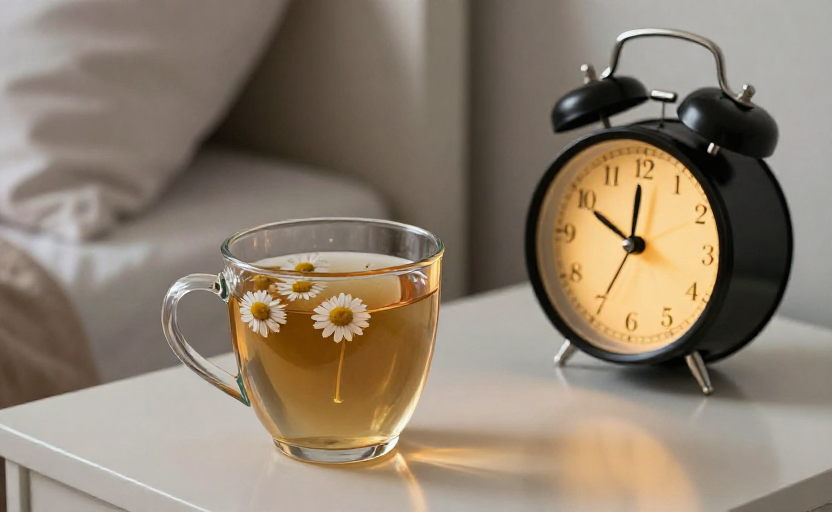
You pour a warm mug of chamomile, settle into bed, and wait for the drowsiness to hit. For many, a nightly herbal tea is a sacred part of the wind-down routine. But for some people, that very same cup could be quietly fueling a problem: sleep anxiety. What you sip before turning in matters more than you might think, and one popular category of bedtime drinks may actually be working against your nervous system.
The key ingredient to watch for is apigenin—a flavonoid abundant in chamomile—which is generally considered calming. For most, chamomile helps promote relaxation. However, research and clinical observations suggest that a subset of people experience the exact opposite effect. Instead of winding down, they feel jittery, wakeful, or even panicky after drinking chamomile or similar herbal teas before sleep. This paradoxical reaction is the trigger for the sleep anxiety we are discussing here.
Why a calming herb might cause restlessness
Apigenin binds to the same brain receptors as some anti-anxiety medications (GABA-A receptors). For most people, this produces a gentle sedative effect. But for approximately 8-12% of the population, apigenin can act as a stimulant. Instead of enhancing sleep, it can disrupt the sleep cycle, leading to more frequent nighttime awakenings, and, critically, to negative thoughts about sleep itself—the hallmark of sleep anxiety.
So, if you have noticed that your last cup of herbal tea is followed by a racing mind, a sense of alertness, or feeling irritable and restless rather than sleepy, your cup might be the culprit.
Signs your bedtime drink might be backfiring
How can you tell if a tea is triggering sleep anxiety rather than helping? Look for these patterns:
- You feel more awake after drinking it. You were anticipating drowsiness, but instead you feel a surge of energy or alertness.
- You wake up frequently during the night. Especially in the first few hours after falling asleep.
- You start worrying about sleep right after drinking it. The thought, "I hope this works," becomes an anxious vigil.
- You wake up feeling groggy, unrefreshed, or with a sense of dread about the next day.
Sleep anxiety is often fueled by expectation. If you believe your bedtime drink should make you fall asleep but it doesn’t, the resulting frustration and worry create the same physiological arousal as the drink itself—or worse.
A key caveat: This isn't about demonizing chamomile. It's about recognizing that not everyone's biology responds the same way to the same plant. Listen to your body.
What to try instead — calming alternatives that support sleep
If you suspect your current bedtime tea is triggering sleep anxiety, you don't have to give up comforting warm drinks. You just need to choose something that works with your unique nervous system. Here are a few evidence-based swaps:
Valerian root tea
Valerian root has a longer track record of research supporting its use for improving sleep quality and reducing the time it takes to fall asleep. It works differently than chamomile—by increasing the amount of a calming neurotransmitter called gamma-aminobutyric acid (GABA) in the brain. It is less likely to produce the paradoxical alertness that some people experience with apigenin. Start with a small cup about 45-60 minutes before bed.
Lemon balm
A member of the mint family, lemon balm is known for its mild sedative properties. It is often used in combination with other herbs and is generally well-tolerated. It can help reduce overall stress levels and is less likely to stimulate a wakeful response compared to chamomile.
Passionflower tea
Passionflower is another herb shown to boost GABA levels in the brain, similar to valerian. Studies indicate it can help calm anxiety and improve sleep quality, especially as part of a nightly ritual. Because it works via the GABA pathway, it tends to be more reliable than chamomile for promoting sleepiness, not alertness.
Building a complete wind-down ritual
Sometimes the issue isn't the drink itself—it's that the drink alone cannot overcome the effects of poor sleep hygiene. If you struggle with sleep anxiety, address the entire environment surrounding your bedtime:
Dim the lights: Blue light from screens suppresses melatonin. Use dim, warm lights 90 minutes before you plan to sleep.
Keep a consistent schedule: Going to bed and waking up at the same time, even on weekends, stabilizes your circadian rhythm.
Delay your last full meal: Eating a heavy or spicy meal within three hours of bedtime can cause indigestion and disrupt sleep.
Simple stretch or deep breathing: Five minutes of gentle stretching or slow, deep breaths can shift your nervous system from "fight or flight" to "rest and digest."
If after swapping your tea and improving your pre-bed routine you still feel anxious about sleep, consider speaking to a doctor or a sleep specialist. Sleep anxiety can be a standalone issue or a symptom of an underlying sleep disorder.
For most people, a warm mug of tea before bed is a harmless—even helpful—tradition. But if that mug has started to feel like a gamble, it may be time to rethink your choice. A small change in your nighttime cup could be the difference between restless worry and truly restful sleep.