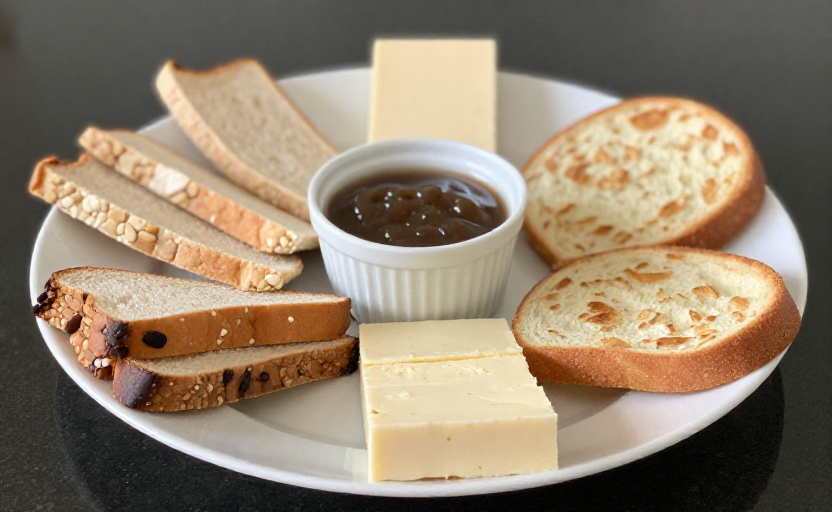
It starts small. Maybe you reach for the same snack at 3 p.m. every single day — a specific brand, a particular color, arranged just so on the plate. If the package is damaged or the pieces aren't aligned, you feel a spike of unease. You eat it in a set order, counting bites or chewing a certain number of times. On the surface, it looks like a harmless quirk. But mental health professionals say this kind of rigid, ritualistic eating could be a subtle sign that you’re overlooking a deeper pattern: obsessive-compulsive disorder (OCD).
Most people picture OCD as excessive hand-washing or obsessive checking of locks. But the disorder often shows up in far quieter ways — especially around food. That afternoon snack you treat as a non-negotiable ritual might actually be a compulsion, a coping mechanism for intrusive thoughts you haven’t fully recognized. Here’s what experts want you to know about the connection.
What Is OCD, Really?
“Obsessive-compulsive disorder is a common type of anxiety disorder marked by unwanted, recurrent, and excessive thoughts, images, or fears — called obsessions — and an urge to perform actions over and over again, known as compulsions,” explains Dr. Santosh Bangar, a senior consultant psychiatrist. “A person with OCD understands these thoughts are irrational or unpleasant, but they cannot stop or resist them.”
The compulsive behaviors — whether it's counting, arranging, or repeating a snack ritual — are the person’s attempt to neutralize the anxiety triggered by the obsession. While the ritual provides temporary relief, it reinforces the cycle, often interfering with daily life, relationships, and work.
Why an Afternoon Snack Ritual Could Be a Red Flag
Food rituals are a less-discussed but very real expression of OCD. Unlike an eating disorder driven by body image or weight, the compulsion here is about control, symmetry, or contamination fears. Common signs include:
- Eating the same snack at the exact same time daily — and feeling distressed if the routine is disrupted.
- Requiring food to be arranged a certain way on the plate or cut into specific shapes.
- Counting bites, chewing a set number of times, or eating in a strict sequence.
- Avoiding foods that look “imperfect” or that have touched other items on the plate.
- Refusing to eat snacks that were prepared by someone else, due to contamination fears.
If any of these sound familiar, it doesn’t automatically mean you have OCD. But when the ritual causes significant anxiety or takes up more than an hour of your day, it may be worth discussing with a professional.
Common Obsessions and Compulsions Beyond Cleaning
Dr. Bangar notes that OCD themes are broader than most people realize. Obsessive thoughts often include:
- Fear of contamination from germs, dirt, or even certain foods.
- Intrusive violent or sexually explicit images.
- Excessive focus on religious or moral purity.
- A need for symmetry — the idea that items must line up “just right.”
- Superstitious beliefs about lucky or unlucky numbers, colors, or routines.
Corresponding compulsions can range from repetitive washing and checking to less obvious behaviors like counting, tapping, silent prayer, or arranging objects — including food — in precise patterns. The snack ritual fits neatly into this category.
A key point: The person often knows the behavior doesn't make logical sense, but the anxiety it relieves feels unbearable until the compulsion is performed.
What Causes OCD? Brain Chemistry, Genetics, and Stress
While the exact cause isn’t known, research points to a mix of factors. “Changes in brain chemicals, structural and metabolic changes in the brain, and genetic predisposition all play a role,” says Dr. Bangar. “Offspring of someone with OCD — or identical twins of an affected person — have a higher risk of developing the disorder.”
Stress is a major trigger. People with anankastic (obsessive-compulsive) personality traits are slightly more vulnerable, and those already dealing with depression or other anxiety disorders are also at increased risk. In other words, a period of high stress might turn a mild preference for routine into a full-blown compulsion.
When a Quirk Becomes a Problem Worth Addressing
The line between a personal preference and a disorder is drawn at impairment. If your snack ritual — or any repetitive behavior — causes you significant distress, takes up more than an hour daily, or interferes with your social or professional life, it’s a sign to seek help.
Effective treatments include cognitive-behavioral therapy, particularly exposure and response prevention (ERP), and sometimes medication. The goal isn’t to eliminate all routines, but to break the cycle of obsession and compulsion so you can make choices freely — even about something as simple as your afternoon snack.
If you recognize these patterns in yourself or someone you care about, a conversation with a mental health professional is a calm, constructive first step. Understanding the warning signs is the beginning of regaining control — not losing it.