You know the feeling. It’s mid-afternoon, energy is flagging, and a familiar craving hits. You reach for something quick, something sweet or salty, hoping for a lift. But an hour later, you might find yourself feeling irritable, foggy, or unexpectedly low. That snack you chose wasn’t just a treat; it was a direct deposit into your body’s biochemical bank, one that can either support or sabotage your emotional steadiness for the rest of the day.
Emotional regulation—our ability to manage and respond to our feelings in a balanced way—isn’t just a psychological skill. It’s deeply rooted in our physiology. What we eat, particularly during that vulnerable afternoon window, sends powerful signals to our brain and nervous system. The wrong choice can trigger a cascade of blood sugar spikes and crashes, inflammation, and neurotransmitter imbalances that make it significantly harder to stay calm, focused, and resilient.
The Blood Sugar Rollercoaster
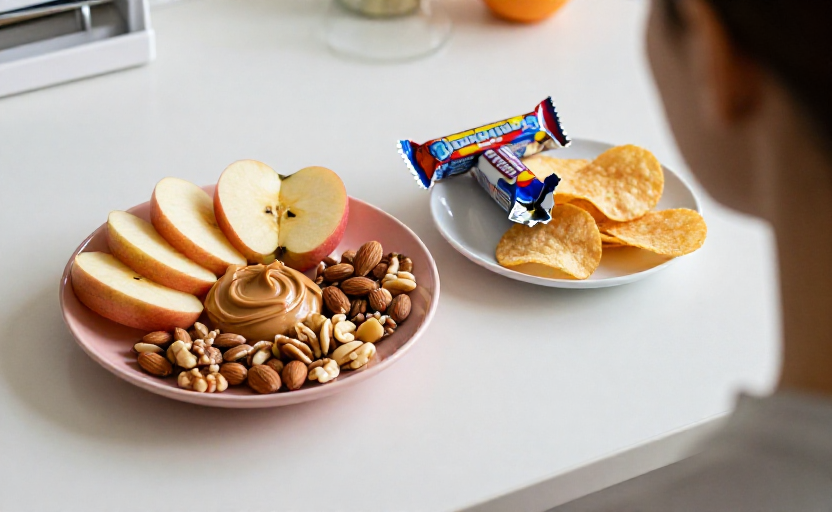
This is the most common culprit behind snack-induced mood swings. When you eat a snack high in refined carbohydrates and added sugars—think a candy bar, a handful of chips, or a sweetened coffee drink—your body rapidly converts it into glucose, flooding your bloodstream.
Your pancreas responds by releasing a surge of insulin to shuttle that sugar into your cells. The result is a sharp spike in energy, often followed by an equally sharp crash as your blood sugar plummets. This crash isn’t just physical fatigue. It signals a stress response in your body, releasing hormones like cortisol and adrenaline.
From your brain’s perspective, a blood sugar crash feels like a threat, activating the same pathways as anxiety or panic.
You’re left feeling jittery, tense, and emotionally fragile. Small frustrations feel magnified, and your capacity for patience wears thin.
Inflammation and the Foggy Brain
Many common processed snack foods are high in refined oils, sugars, and additives that can promote systemic inflammation. Chronic, low-grade inflammation is now understood to be a key player in mood disorders. It can directly affect brain regions involved in emotional regulation, like the hippocampus and prefrontal cortex.
When inflammation is high, you might experience what’s often called “brain fog”—difficulty concentrating, memory lapses, and a general sense of mental sluggishness. Trying to regulate emotions from this space is like trying to navigate a complex map while looking through a foggy window. Your cognitive resources are depleted, making it harder to pause, reflect, and choose a measured response.
Neurotransmitter Imbalance
The building blocks for your brain’s chemical messengers, neurotransmitters like serotonin and dopamine, come from the food you eat. A snack devoid of quality protein, healthy fats, and micronutrients provides little raw material for sustaining balanced mood chemistry.
Serotonin, crucial for feelings of calm and well-being, is largely produced in your gut. A snack that disrupts gut health (high in sugar, low in fiber) can indirectly hamper its production. Dopamine, involved in motivation and pleasure, can be artificially and briefly spiked by sugary, hyper-palatable foods, leading to a crash afterward that leaves you seeking another hit, not true satisfaction.
What Does a Supportive Snack Look Like?
The goal isn’t perfection, but connection. A snack that supports emotional regulation combines macronutrients to create a slow, steady release of energy and nourishes the brain.
- Pair Protein with Fiber: This combination slows digestion and stabilizes blood sugar. Think apple slices with almond butter, plain yogurt with berries, or a hard-boiled egg with some cucumber.
- Include Healthy Fats: Fats are essential for brain cell structure and help you feel satiated. Avocado, nuts, seeds, and olives are excellent additions.
- Choose Whole Foods: Minimally processed foods avoid the inflammatory triggers of refined ingredients and additives.
It’s less about rigid rules and more about noticing the connection between what you eat and how you feel an hour later. Did that snack leave you feeling steady and clear-headed, or anxious and depleted?
Beyond the Snack Itself
Sometimes, the craving for a disruptive snack is a signal of something else. Are you actually thirsty? Mild dehydration can manifest as fatigue or cravings. Are you stressed or bored? The act of eating can be a temporary distraction. Taking a moment to check in before you reach for food can be a powerful act of emotional regulation in itself.
Making a different choice in the afternoon isn’t just about nutrition; it’s a tangible way to care for your mental and emotional well-being. It’s a small, daily practice that builds resilience from the inside out, giving your body the stable foundation it needs to handle whatever the day brings your way.