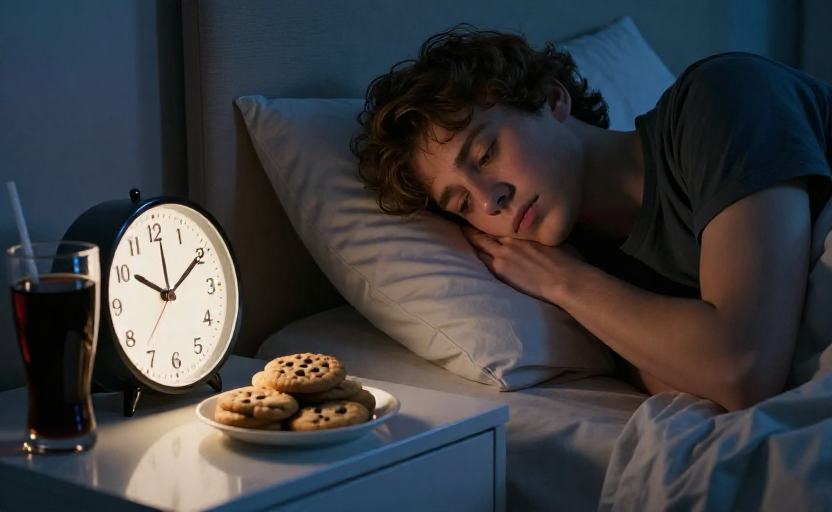
You’ve finished dinner, the kitchen is clean, and you’re settling into the quiet of the evening. Then, a familiar craving hits. Maybe it’s something sweet, a handful of something salty, or a comforting warm drink. That after-dinner snack feels like a harmless ritual, a final treat before bed. But what if that choice is quietly undermining your sense of calm and setting the stage for a restless, anxious night?
The connection between what we eat and how we feel is profound, especially as the day winds down. While we often focus on caffeine or heavy meals, one common dietary culprit flies under the radar, directly impacting the nervous system in ways that can heighten feelings of anxiety and tension just when you need to relax most.
Why Your Evening Snack Choice Matters More Than You Think
Digestion doesn’t stop when you go to sleep. What you consume in the hours before bed becomes the biochemical environment your body and brain must process overnight. This period is crucial for nervous system recovery, moving from the alert “fight-or-flight” state to the restorative “rest-and-digest” mode. The wrong snack can act like a biochemical alarm bell, preventing this essential shift.
It’s not just about physical discomfort or heartburn. Certain foods can trigger hormonal responses, affect blood sugar stability, and stimulate neurotransmitter activity in a manner that mimics or exacerbates the physical sensations of anxiety—a racing heart, restlessness, or a mind that won’t quiet down.
The Common Mistake: Hidden Sugars and Refined Carbs
The most frequent after-dinner snack mistake is reaching for foods high in added sugars or refined carbohydrates. This includes more than just obvious desserts like cookies or ice cream. It often hides in:
- Sweetened yogurts or flavored oatmeal packets
- Granola or cereal bars marketed as “healthy”
- Pretzels, chips, or crackers made from white flour
- Sweetened beverages, including some herbal teas or “sleep” drinks
- Dried fruit with added sugars or syrups
Here’s what happens: these foods cause a rapid spike in blood sugar. Your body responds by releasing a surge of insulin to bring that sugar level down. This can sometimes lead to a reactive drop in blood sugar, a state known as hypoglycemia. Your body perceives this drop as a threat, triggering the release of stress hormones like cortisol and adrenaline to mobilize more glucose.
That hormonal surge is your body’s internal alarm system. When it goes off at 10 p.m., the physical feeling is indistinguishable from anxiety—jitteriness, alertness, and a sense of unease.
Furthermore, the brain uses neurotransmitters like serotonin and GABA to promote calm and prepare for sleep. Dramatic blood sugar swings can disrupt the delicate balance of these chemicals, making it harder for your mind to settle.
Other Anxiety-Provoking Evening Snack Choices
While sugar is a primary offender, a few other common choices can have similar effects:
Heavy, Fatty Foods
A large bowl of full-fat ice cream, greasy pizza leftovers, or a hefty cheese plate demands significant digestive effort. Lying down with a full, laboring stomach can cause physical discomfort and acid reflux, which the body can interpret as a stress signal, increasing overall physical tension.
Hidden Caffeine
It’s not just in coffee. Dark chocolate, certain sodas, and even some decaffeinated coffees and teas contain enough caffeine to be stimulating for sensitive individuals. Consuming these in the evening can directly stimulate the nervous system.
Excessive Salt
A big bag of salty chips or popcorn can lead to dehydration and electrolyte imbalance, which may contribute to feelings of agitation and a faster heart rate, mirroring anxious arousal.
Building a More Supportive Evening Routine
The goal isn’t to go to bed hungry, which can also disrupt sleep. It’s about choosing snacks that provide steady, gentle nourishment without shocking your system. Look for combinations that include a little protein, healthy fat, or fiber, which help slow the absorption of sugars and promote satiety.
Consider swapping out the problematic choices for simpler, whole-food options:
- A small bowl of plain Greek yogurt with a few berries
- A handful of almonds or walnuts
- A slice of whole-grain toast with a thin layer of nut butter
- A piece of whole fruit, like a banana or pear
- A small serving of cottage cheese
Timing matters, too. Aim to have your last snack about 60-90 minutes before you plan to sleep. This gives your body time to begin the digestive process while you’re still upright, reducing physical discomfort and allowing the calming biochemical signals to take hold as you lie down.
Pay attention to how you feel. If you notice a pattern of restless, anxious nights, try keeping a simple log of your evening food and drink for a week. You may spot a direct correlation that, once changed, makes a significant difference in your pre-sleep calm and overall sleep quality. Your evening ritual should be a bridge to rest, not a barrier.