Age spots, sun spots, general uneven tone—they’re frustrating to deal with, and often we put all our focus on creams, serums, and sunscreen. But what if what’s in your glass is undermining those efforts? Certain beverages can promote inflammation and sensitize your skin to UV damage, making those dark patches stick around longer or even deepen.
It’s not about fear-mongering or cutting out every enjoyable sip. It’s about understanding the mechanisms so you can make smart swaps. Let’s break down three common drinks that can worsen hyperpigmentation and spots—and what to reach for instead.
1. Sugary Soft Drinks and Sweetened Juices
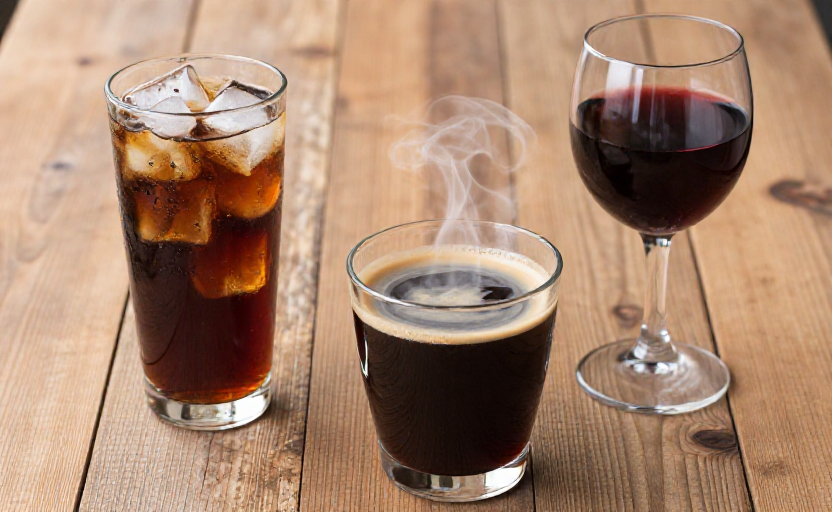
This one is probably no surprise, but the connection to skin discoloration goes deeper than “sugar is bad.” When you consume high amounts of sugar—especially from soda, fruit punch, or sweetened lemonade—it triggers a process called glycation. Sugar molecules bind to collagen and elastin fibers, forming advanced glycation end products (AGEs). These AGEs make skin stiff, dull, and more prone to brown spots. They also ramp up inflammation, which can increase melanin production in areas already prone to hyperpigmentation.
Beyond glycation, sugary drinks spike your insulin levels. That spike can encourage your skin’s oil glands to produce more sebum, which may lead to inflammation and post-inflammatory hyperpigmentation, especially if you’re prone to breakouts. Over time, regularly drinking these beverages can subtly deepen the contrast between your spot-prone areas and the rest of your complexion.
What to do about it
If you crave sweetness, try sparkling water with a splash of 100% pomegranate or tart cherry juice (no added sugar). These provide antioxidants that help protect against oxidative stress rather than fueling it.
2. Coffee (Especially on an Empty Stomach)
Coffee is a beloved ritual, and for most people, moderate consumption is fine. The issue arises when coffee—particularly strong, black coffee—is your first drink of the day on a regular basis. Caffeine can raise cortisol levels, and chronically elevated cortisol is linked to increased melanocyte activity. That means your pigment-producing cells may become more reactive to UV light and inflammation, making existing age spots darker and new ones more likely to form.
There’s also an acidity factor: coffee can disrupt your gut lining over time, and a poorly functioning gut is linked to systemic inflammation. Inflammation, as we know, is a driver of hyperpigmentation. On top of that, many people drink coffee instead of water, leading to mild dehydration. Dehydrated skin appears duller and allows discoloration to stand out more visibly.
A simple shift: have a full glass of water before your morning coffee. This hydrates your skin and buffers the acidity, reducing the cortisol spike.
When how you drink it matters
Adding milk or a splash of oat milk can help temper the acidity. And if you add sugar or flavored syrups, you’re now combining the downsides of caffeine with the glycation risk of sugar. Keep it simple if you want to keep your spots at bay.
3. Excessive Alcohol (Especially Wine and Cocktails)
Alcohol is a known vasodilator—it opens blood vessels, which can lead to facial redness and a flushed appearance. But when it comes to age spots, the problem is deeper. Alcohol depletes your body of vitamin A and vitamin C, two nutrients absolutely critical for repairing sun damage and keeping melanin production under control. Without enough vitamin C, your skin’s ability to brighten existing spots slows down significantly.
Wine, in particular, contains histamines and sulfites, which can trigger inflammatory responses in sensitive individuals. That inflammation tells your melanocytes to go into overdrive. Cocktails are often loaded with sugary mixers (hello, glycation) or citrus juices that, while high in vitamin C, are also highly acidic and can increase photosensitivity right when you’re heading outdoors.
What to watch for
If you do drink alcohol, the type matters less than the frequency. A single glass of wine with dinner is likely fine for most people. But nightly consumption—especially more than one serving—can keep your skin in a state of low-grade inflammation, making age spots harder to fade. Always pair alcohol with food (to slow absorption) and drink water in between.
What Actually Helps Fade Age Spots From the Inside
The flip side is that certain drinks can actively support clearer, more even skin. Green tea (decaf or regular) is rich in epigallocatechin gallate (EGCG), which helps reduce UV-induced inflammation and may inhibit the enzyme that triggers melanin production. Bone broth is packed with collagen-supporting glycine and proline, helping maintain the structural integrity that keeps skin resilient. And of course, plain water—proper hydration helps your skin shed dead cells more evenly, so spots naturally appear less prominent.
Your skin is a reflection of what you absorb, not just what you apply. Small shifts in your daily drinks can compound into visible changes over 6–12 weeks.
It’s not about perfection—it’s about pattern. If you’re using a solid anti-aging skincare routine but still seeing new spots or struggling to lighten old ones, take a hard look at your beverage habits. They might be the missing piece of the puzzle.