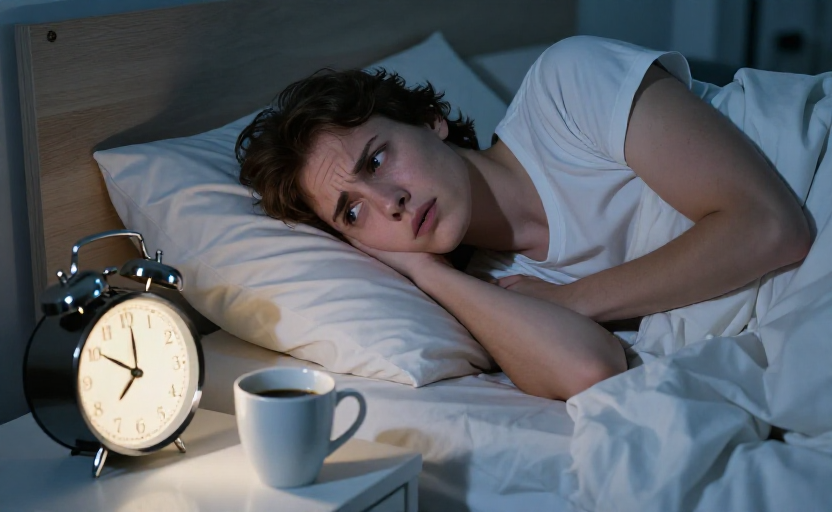
You’re exhausted. Your head hits the pillow. And then… nothing. Your mind starts racing, or you just lie there, wide awake, watching the minutes tick by. If this scenario sounds painfully familiar, the culprit might not be stress or screen time alone. According to sleep specialists, two very common dietary habits are often the hidden culprits that delay sleep onset.
These aren’t extreme fads or rare allergies. They are everyday choices—one involving timing, the other involving a specific compound—that can quietly sabotage your body’s natural transition into rest. Understanding these mistakes can be the key to falling asleep faster without a major overhaul of your life.
Mistake #1: Eating Too Close to Bedtime
The most frequent dietary error specialists see is eating a large meal or a heavy snack too late in the evening. Your digestive system is not designed to work at full speed when your body is trying to rest. When you eat a big meal close to bedtime, your body is busy breaking down food, which raises your core body temperature and keeps your metabolism active.
Sleep onset requires a slight drop in core body temperature. A late dinner or a midnight snack full of protein, fat, or fiber forces your body to stay in “active digestion” mode. This can lead to discomfort, acid reflux, and a state of mild physiological arousal that is the opposite of the calm needed to drift off.
The simple fix: Finish your last meaningful meal at least three hours before you plan to sleep. If you must have a small snack earlier in the evening, stick to something very light and easy to digest, like a banana or a small handful of almonds.
Mistake #2: Consuming Caffeine Too Late in the Day
This one seems obvious, but its reach is often underestimated. Caffeine is a well-known stimulant that blocks adenosine, the neurotransmitter that makes you feel sleepy. While most people know coffee keeps them awake, many forget that caffeine has a long half-life. For the average person, half the caffeine from a 2 p.m. cup of coffee is still circulating in your system at 8 p.m.
Sleep specialists point out that the “cut-off time” for caffeine is much earlier than most people assume. For those with sensitivity to caffeine or slower metabolism, any caffeine after noon can interfere with sleep onset. It is not just coffee, either. Black tea, green tea, soda, and even dark chocolate contain significant amounts of caffeine that can delay the natural process of falling asleep.
Hidden Sources of Caffeine
You might be surprised at how often caffeine sneaks into your evening routine. Common culprits include:
- Decaf coffee: A cup of decaf still contains about 2–15 mg of caffeine.
- Dark chocolate: An ounce of dark chocolate can have 20–30 mg of caffeine.
- Some herbal teas: Not all “herbal” teas are caffeine-free; matcha and yerba mate are powerful stimulants.
- Certain medications: Some over-the-counter pain relievers and weight-loss supplements include caffeine.
If you are struggling to fall asleep, specialists recommend experimenting with a no-caffeine rule after 2 p.m. for two weeks. Many people find this single change dramatically improves their ability to wind down at night.
How Diet Affects Your Sleep Cycle
It is not just about what you eat, but how the body processes it. The timing and composition of your evening intake directly affect your circadian rhythm and the release of key sleep hormones like melatonin.
A meal high in simple carbohydrates (like pasta or bread) can cause a spike in blood sugar, followed by a crash. That crash can trigger the release of adrenaline, which wakes you up in the middle of the night or prevents you from settling into deep sleep. Similarly, alcohol, while often thought to help with sleep, is a major disruptor. It fragments sleep and increases the likelihood of waking up after a few hours.
Similarly, spicy or acidic foods can cause heartburn that makes lying down uncomfortable. The simple summary is that your stomach should be relatively empty and at rest when you close your eyes. Any heavy labor for your digestive system is a direct competitor to sleep.
Practical Steps for Better Sleep Nutrition
Making changes does not require a rigid diet plan. Instead, focus on a few practical, consistent habits:
- Eat an earlier dinner. Shift your evening meal to at least three hours before bed. If hunger strikes later, choose a small, very low-fat snack like a few whole-grain crackers or a glass of warm milk.
- Cut caffeine early. Set a hard cutoff for all caffeine sources by early afternoon. Water, herbal infusions (like chamomile or peppermint), and plain seltzer are excellent non-stimulating alternatives.
- Keep evening meals balanced but light. Avoid heavy fats and large portions at dinner. A mix of lean protein, vegetables, and a small serving of complex carbohydrates is a solid choice.
- Watch the alcohol. While a single glass of wine might make you drowsy initially, it tends to impair sleep quality later in the night. Consider skipping it entirely for a few nights to see if your sleep improves.
You do not have to be perfect. The goal is to be aware of how food timing and caffeine intake affect your unique body. If you find yourself staring at the ceiling again tonight, ask yourself: did I eat too late? Did I have caffeine after 2 p.m.? For many people, correcting these two common mistakes is all it takes to finally get the restful sleep they need.