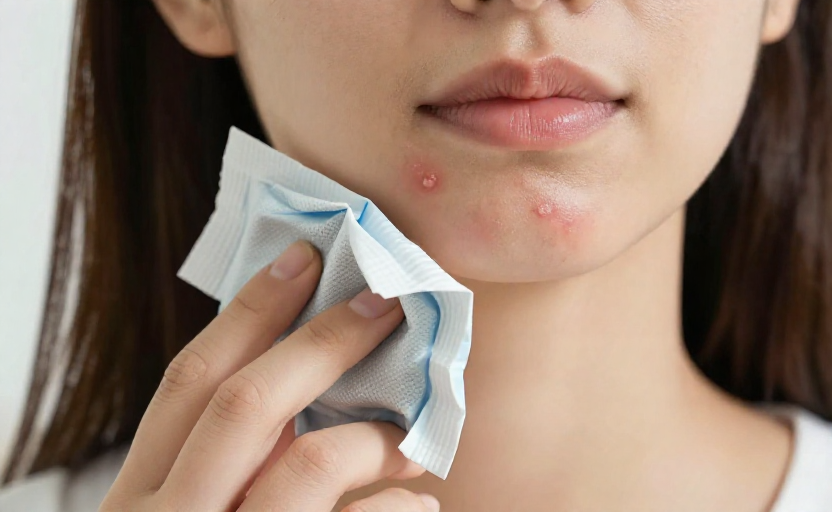
That deep, throbbing bump under your skin has arrived without an invitation. Unlike a typical whitehead, a cystic pimple lives deep in the dermis, feels tender to the touch, and can linger for weeks if you handle it the wrong way. The first rule—and the hardest to follow—is to keep your hands away. Picking, squeezing, or prodding a cyst rarely empties it; instead, it ruptures the wall of the follicle, spills infection into surrounding tissue, and often turns a stubborn spot into a swollen, scarred mess.
The good news is that you can shrink a cystic pimple and soothe the inflammation without resorting to a bathroom-mirror extractionsession. Below are three dermatologist-backed steps designed to calm the flare, reduce the risk of scarring, and help that tender bump resolve on its own timeline.
Step 1: Cool the inflammation immediately
When you first feel that familiar soreness beneath the skin, reach for an ice cube or a cold compress—not a lance or a needle. Cystic acne is driven by deep inflammation, and cold therapy constricts blood vessels, which helps dial down redness and swelling.
Wrap a clean cloth around an ice cube or use a reusable gel pack (one that stays in the freezer). Gently press it against the bump for 10 to 15 minutes at a time. You can repeat this every two to three hours during the first day. Do not press hard; the goal is to reduce heat and pain, not to compress the cyst further.
If you have a spot treatment on hand that contains benzoyl peroxide (typically 2.5% to 5%), apply it to the area after icing. Benzoyl peroxide works by killing acne-causing bacteria and drying out excess oil, but keep in mind that it treats the surface, not the deep cyst. It may help prevent the spot from getting worse, but it won't erase the bump overnight.
Step 2: Apply targeted, non-comedogenic warmth to encourage drainage
Once the initial tenderness has subsided—usually after 24 to 48 hours—you can switch from cold to gentle heat. The logic here is different: warm compresses increase blood flow to the area, which may encourage the cyst to come to a head or allow the body to absorb the fluid more efficiently.
Soak a clean washcloth in warm (not hot) water, wring it out, and hold it against the cyst for 10 to 15 minutes, two to three times a day. Reheat the cloth as needed. Patience is key: this method works gradually, and some cysts will dissolve without ever forming a visible head. If a small white point does appear, let it drain naturally—do not force it. Continue the warm compresses until the bump flattens or resolves.
Make sure any product you apply afterward—moisturizer, sunscreen, or medicated gel—is labeled non-comedogenic, meaning it won't clog pores. A lightweight gel moisturizer is often better than a thick cream for oily or acne-prone skin during a flare.
A note on drying agents: avoid layering multiple strong ingredients (benzoyl peroxide, salicylic acid, and retinoids) on the same spot. That cocktail can strip the skin barrier, leading to irritation that looks and feels worse than the original cyst. Stick with one active ingredient at a time.
Step 3: When to see a dermatologist—and what they can do
No matter how carefully you treat a cyst at home, some are too deep or inflamed to resolve on their own. If the bump is extremely painful, does not improve after a week of consistent care, or keeps coming back in the same spot, a professional treatment is the safest bet.
A dermatologist can inject the cyst with a dilute corticosteroid—often called a cortisone shot. This injection works within 24 to 48 hours to shrink the inflammation dramatically. It is a quick in-office procedure that carries a low risk of side effects when performed by an experienced provider, though some patients may experience a temporary dimple or whitening of the skin at the injection site.
If you have a history of severe cystic acne, your dermatologist might also discuss prescription options such as oral antibiotics (short-term to control inflammation), spironolactone (for hormonal acne in women), or isotretinoin for persistent, widespread cystic breakouts. These are not over-the-counter decisions; they require a full evaluation and monitoring.
Remember that even if a cyst feels like an emergency, it is not a medical emergency. You have time to treat it gently. The real risk of permanent scarring comes from aggressive picking or popping, not from letting the cyst run its course with proper support.
Common mistakes that make cystic acne worse
Knowing what not to do is just as important as the steps above. A few habits can sabotage your progress:
- Spot-treating with toothpaste. Toothpaste contains baking soda, hydrogen peroxide, and sometimes menthol—ingredients that can burn the skin and cause contact dermatitis, especially on a compromised cystic bump.
- Using pore strips or sticky masks over a cyst. These can rip the surface of the skin and worsen the underlying inflammation.
- Applying heavy, occlusive balms. Thick emollients can trap bacteria and oil around the cyst, prolonging the flare.
- Repeatedly touching or palpating the area. Each touch adds more bacteria from your hands and increases irritation.
What to expect as the cyst heals
Even with perfect care, a cystic pimple takes time—often one to two weeks—to resolve completely. In some cases, a small red or purple mark (post-inflammatory hyperpigmentation) may linger for weeks or months after the bump itself is gone. This is not a scar, but it can be minimized by wearing a broad-spectrum sunscreen (SPF 30 at minimum) every day, even indoors, and by avoiding any further picking at the area.
If you are prone to developing cystic acne, a consistent daily routine that includes a gentle cleanser, a non-comedogenic moisturizer, and a retinoid (like adapalene) can help reduce the frequency of future breakouts. But when a cyst does appear, you now have a clear, calm plan: ice, then warm compresses, then professional help if needed. No picking required.