If you have oily skin, the urge to scrub away every trace of shine can feel irresistible. But here’s the counterintuitive truth: washing your face too often—or too aggressively—might actually be making your breakouts worse. When you strip the skin of its natural oils, it can react by producing even more sebum to compensate, clogging pores and fueling the very acne you were trying to prevent. Let’s look at two common cleansing habits that can backfire, and how to break the cycle.
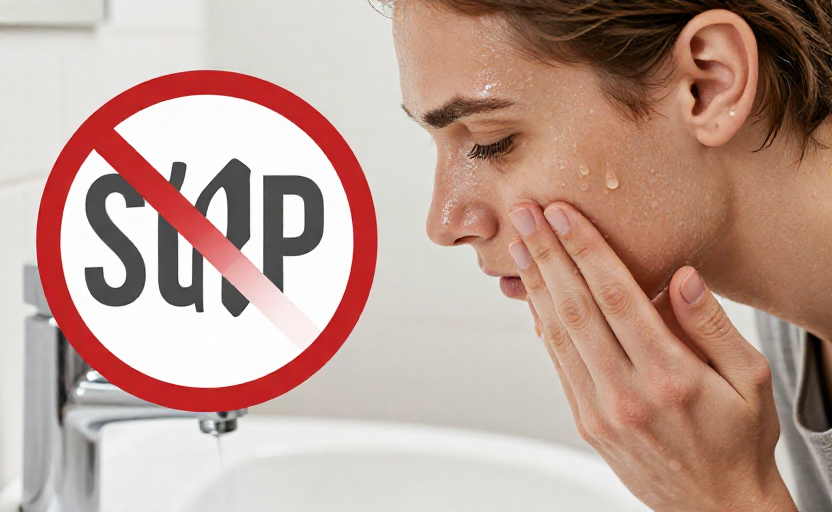
Habit #1: Washing your face three (or more) times a day
It’s tempting to wash your face midday when you feel slick, but doing so multiple times a day can disrupt the skin’s moisture barrier. This barrier—a mix of lipids, ceramides, and natural oils—keeps water in and irritants out. When you over-wash, especially with foaming or sulfate-heavy cleansers, you rinse away protective lipids. In response, your sebaceous glands can go into overdrive, pumping out excess oil to compensate. That extra oil then mixes with dead skin cells and bacteria inside pores, leading to comedones and inflamed pimples.
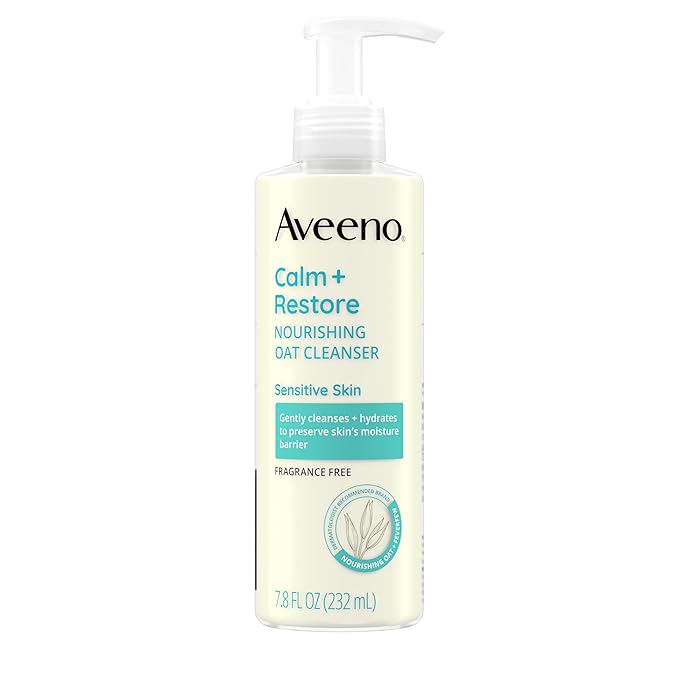
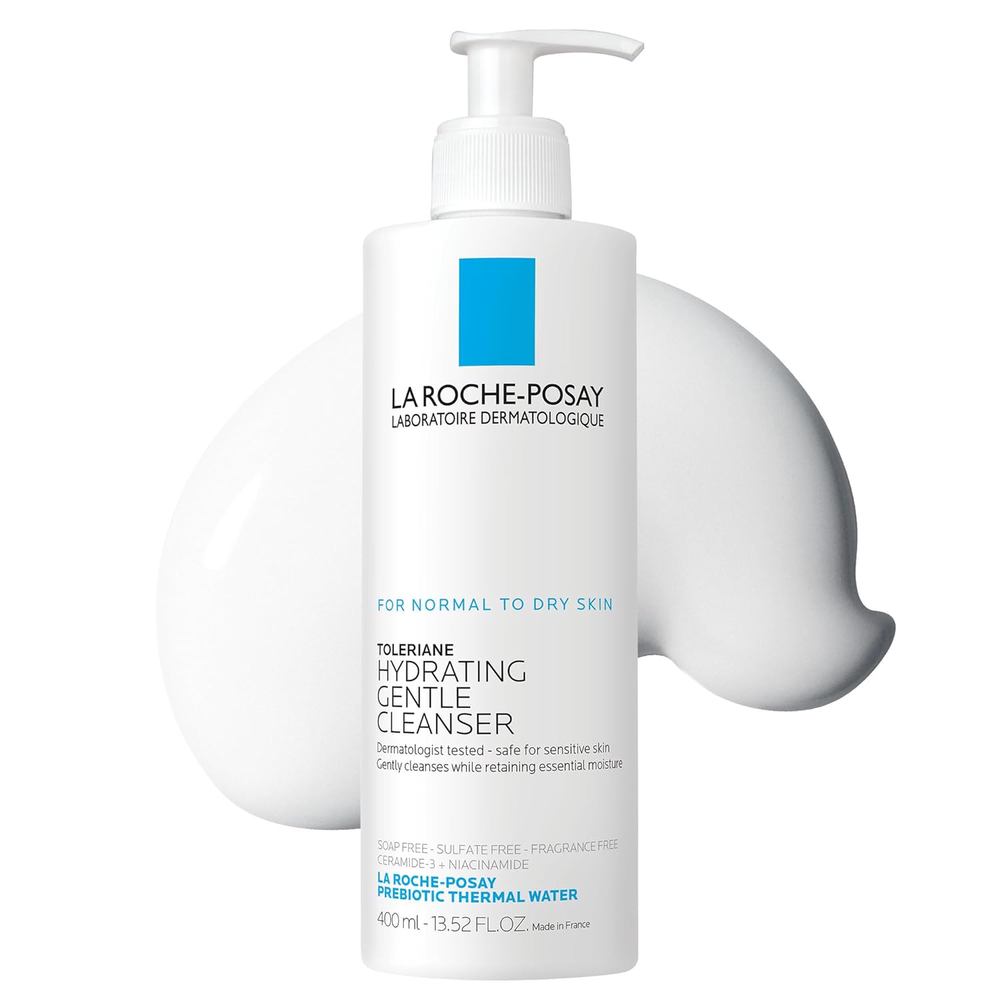
A better approach: wash your face no more than twice daily, ideally morning and night. If your skin feels greasy in the afternoon, use a gentle blotting paper or a clean tissue to absorb surface oil without stripping the skin. And choose a cleanser that is specifically formulated for oily or acne-prone skin—look for words like “non-comedogenic,” “gentle foaming,” or “hydrating” rather than “deep scrub” or “oil-control max.” Sulfate-free options tend to clean effectively without being too harsh.
A sign you’re over-cleansing
If your skin feels tight, dry, or “squeaky” shortly after washing, that’s a red flag. Healthy post-cleanse skin should feel clean but comfortable, not taut or stinging.
Habit #2: Using harsh physical scrubs or high-percentage acids daily
Exfoliation can be helpful for oily skin—it sloughs off dead cells that block pores—but overdoing it is a common mistake. Using a gritty scrub every day, or applying a strong salicylic acid or glycolic acid product morning and night, can erode the stratum corneum (the outermost layer of skin). When that happens, the skin loses its ability to hold onto moisture and becomes vulnerable to irritation. Irritated skin, in turn, can trigger inflammatory acne and even more oil production. This is sometimes called “reactive seborrhea”: the skin tries to protect itself by secreting more sebum.
Instead, limit physical exfoliation to once or twice a week, using a very fine, gentle scrub (avoid crushed walnut shells or large abrasive beads). For chemical exfoliants, a single product with 1–2% salicylic acid or a low-percentage glycolic toner used 2–3 times per week is usually enough for most people. If you are also using a prescription acne treatment like benzoyl peroxide or a retinoid, hold off on additional exfoliants to prevent cumulative irritation.
A key principle: “less is more” when it comes to managing oily skin. You want to balance, not strip.
Building a gentler routine for oily, acne-prone skin
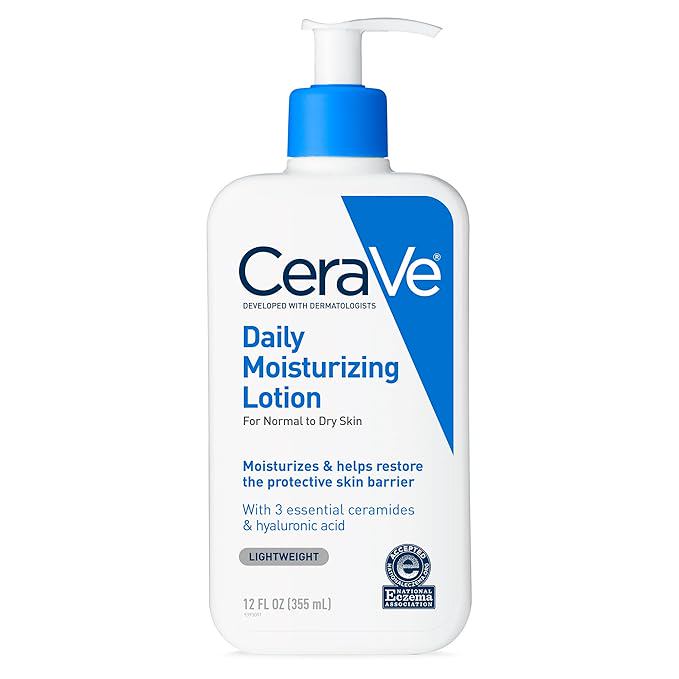
Choosing the right non-stripping cleanser is step one. Next, keep the rest of your routine simple. A lightweight, oil-free moisturizer (yes, even oily skin needs hydration) helps tell the skin that it doesn’t need to overproduce oil. Look for ingredients like niacinamide, ceramides, or hyaluronic acid, which support barrier function without adding grease. Sunscreen every morning (non-comedogenic, SPF 30 or higher) is also essential, because many acne treatments increase sun sensitivity and UV damage can worsen acne scarring.
If you wear makeup or sunscreen, consider double-cleansing at night: start with an oil-based cleanser or micellar water to dissolve sebum and products, then follow with a gentle water-based cleanser. This method removes buildup thoroughly without the need for harsh scrubbing or multiple wash cycles.
When to seek professional guidance
If adjusting your cleansing routine doesn’t improve breakouts within 4–6 weeks, or if your acne is severe or painful, a board-certified dermatologist can help. They may recommend prescription-strength topicals (like adapalene or clindamycin) or in-office treatments, but more gentle home habits will support any medical plan.
Remember: oily skin isn’t inherently “dirty” or “bad.” It has a higher tendency to break out, sure, but it also tends to age more slowly and has a natural glow when properly cared for. The goal isn’t to eliminate oil—it’s to manage it without triggering a cycle of irritation and more acne. A calm, consistent routine that respects your skin’s barrier will do far more than any harsh regimen ever could.