Waking up drenched, throwing off the covers, then shivering minutes later—it’s a nightly rollercoaster that leaves you exhausted. Hot flashes and night sweats are more than just a temperature nuisance; they are a primary thief of restorative sleep during the menopausal transition. The good news is that sleep medicine offers concrete, effective strategies beyond simply enduring it. By understanding the triggers and adjusting your sleep environment and habits, you can reclaim your nights.
These sudden waves of heat are rooted in the hypothalamus, your brain’s thermostat. As estrogen levels fluctuate, this thermostat becomes more sensitive, misreading your core temperature and triggering a cooling response (sweating, flushed skin) at the wrong time. At night, this process fragments your sleep architecture, pulling you from deep, restorative stages into lighter, less refreshing sleep. The goal isn’t to eliminate flashes entirely—though that may happen for some—but to minimize their sleep-disrupting power.
How can I cool my sleep environment effectively?
Your bedroom should feel like a cool, calm cave. Start by lowering the thermostat. Most sleep specialists suggest a room temperature between 60–67°F (15.5–19.5°C) for optimal sleep. This cool baseline makes it harder for a minor temperature spike to push you into full-blown sweating.
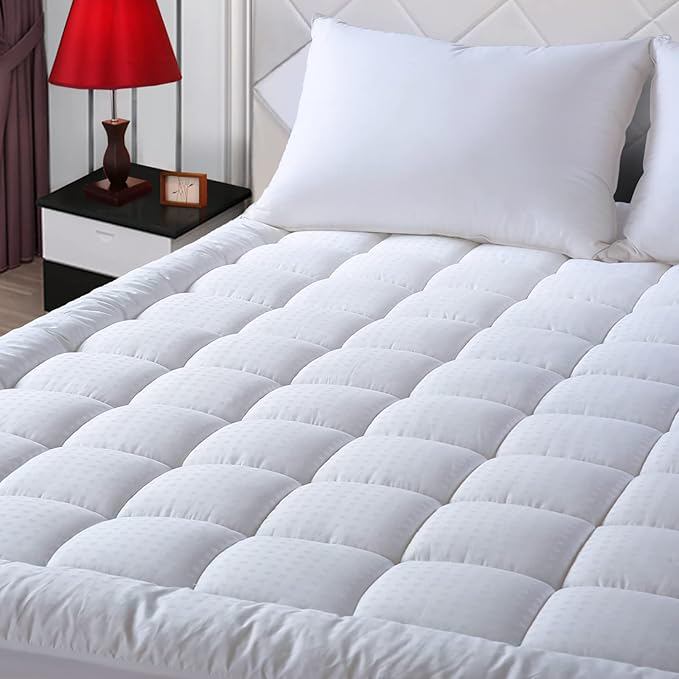
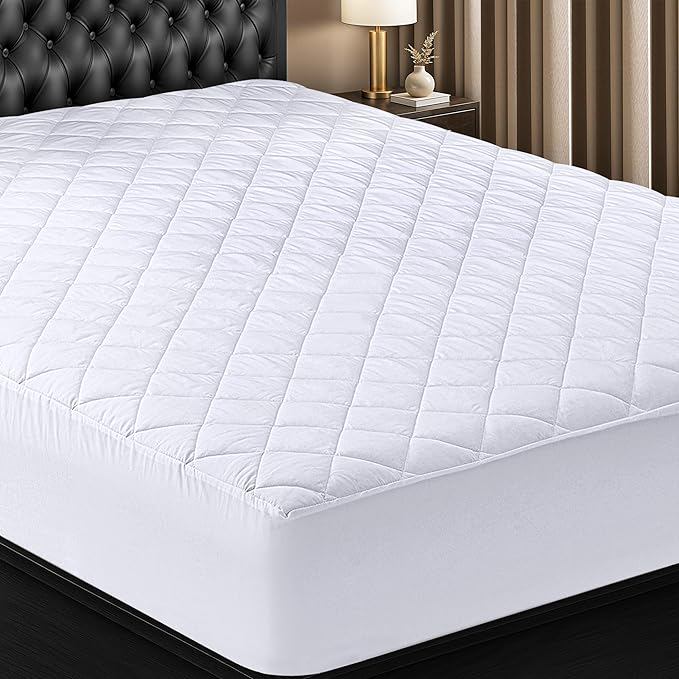
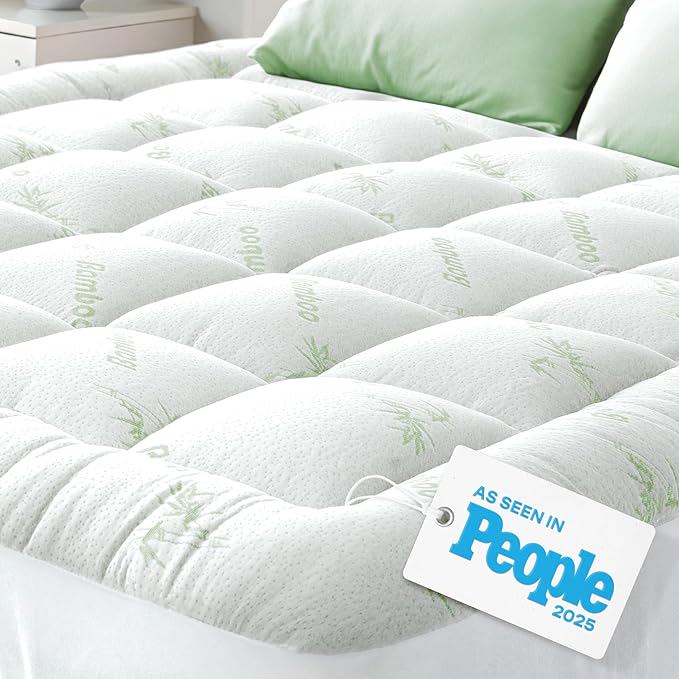
Focus on your bedding as a customizable cooling system. The classic advice is to use layers of lightweight, breathable natural fabrics like cotton or linen. This allows you to peel off a layer quickly when a flash begins and easily pull it back on when the chill hits. Consider a moisture-wicking mattress pad or pillow protector; these are designed to pull dampness away from your body, keeping you drier and more comfortable than standard pads.
Think of your bed as a climate zone you control. The right layers and materials can act as a buffer against internal temperature storms.
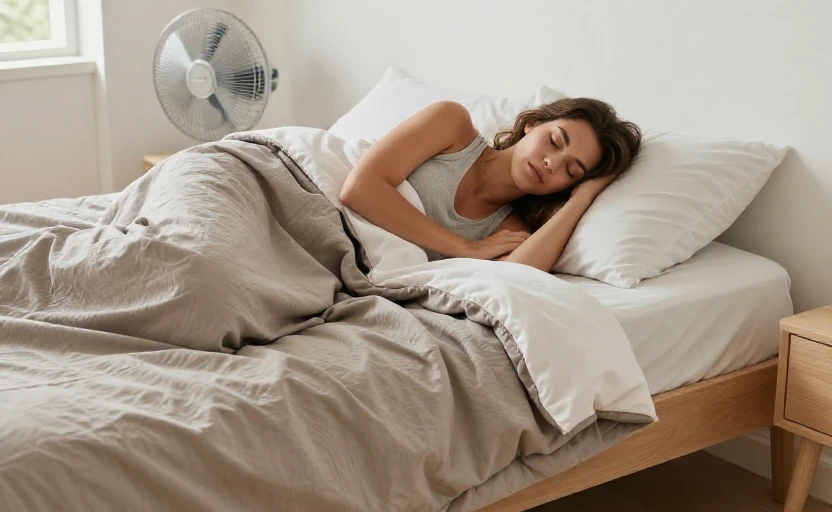
For many, a bedside fan is non-negotiable. The constant airflow does more than cool; it also accelerates the evaporation of sweat. A fan with an oscillating feature can prevent that feeling of stale, still air. Some find a cooling pillow pad, which uses gel or water circulation, offers direct relief to the head and neck—common hotspots.
What are the best pajama and fabric choices?
What you wear to bed matters immensely. Tight-fitting synthetic fabrics like polyester can trap heat and moisture against your skin. Instead, opt for loose-fitting sleepwear made from breathable materials.
- Moisture-wicking fabrics: Technical fabrics used in athletic wear (like certain bamboo blends or proprietary wicking materials) are engineered to pull sweat away from the skin to the fabric’s surface where it can evaporate.
- Natural fibers: Lightweight cotton, linen, or silk allow for good air circulation. Look for loose weaves or “pearl” cotton for better breathability.
- Strategic layering: A tank top with a light cardigan nearby lets you adjust instantly without a full wardrobe change in the dark.
The key is to experiment. Keep a dry set of pajamas and perhaps even a spare pillowcase on your nightstand. The simple act of changing damp clothing can be the quickest ticket back to sleep.
Can adjusting my evening routine make a difference?
Your pre-sleep hours set the stage. The goal is to avoid anything that raises your core body temperature or stimulates your nervous system too close to bedtime.
Scrutinize your diet and drink in the evenings. Spicy foods, caffeine, and alcohol are well-known vasodilators; they cause blood vessels to widen, creating a feeling of warmth. Alcohol, in particular, is a double-edged sword: it may help you fall asleep initially, but it significantly disrupts sleep later in the night and can trigger flushing. Try to finish any alcoholic or caffeinated drinks at least three to four hours before bed.
A large meal right before sleep forces your body to work on digestion, which can increase metabolic heat. Aim for a lighter evening meal and finish eating at least two to three hours before turning in.
Your pre-bed activity is also crucial. A vigorous workout is excellent for health and sleep quality, but schedule it for earlier in the day. Exercise raises your core temperature, which can take several hours to drop. Gentle, calming activities like yoga, stretching, or meditation in the 60-90 minutes before bed can help calm the nervous system without the thermal spike.
What relaxation techniques help calm the body’s response?
Stress and anxiety can lower your flash threshold, creating a vicious cycle where worry about sweating leads to more sweating. Incorporating a relaxation practice can help modulate your nervous system’s reactivity.
Paced breathing is one of the most effective and immediate tools. When you feel a flash beginning, try diaphragmatic breathing: inhale slowly through your nose for a count of four, hold for one, and exhale slowly through your mouth for a count of six. This practice, sometimes called “relaxed breathing,” can actually dampen the sympathetic nervous system response that drives the intensity of a hot flash.
Mindfulness or guided sleep meditations can train your brain to observe the discomfort without panicking, reducing the secondary distress that keeps you awake. Even a simple body scan meditation, where you mentally relax each part of your body, can promote a cooler, more restful state.
When should I talk to a healthcare provider?
If lifestyle and environmental changes aren’t providing enough relief, it’s time for a conversation with a doctor or a sleep specialist. Persistent, severe night sweats that drench your bedding and destroy your sleep are not something you must simply accept.
They can help rule out other potential causes of night sweats and discuss a range of evidence-based treatment options. These may include menopausal hormone therapy (MHT), which is very effective for vasomotor symptoms, or non-hormonal prescription medications that work on the brain’s temperature regulation pathways. Cognitive Behavioral Therapy for Insomnia (CBT-I) is also a highly effective, non-drug approach that addresses the thoughts and behaviors perpetuating sleep loss, including those related to night sweats.
Bring a sleep diary to your appointment, noting the frequency of your night sweats, room temperature, and what you tried. This data is invaluable for crafting a personalized plan. Your sleep is foundational to your health and well-being; seeking professional guidance to protect it is a proactive and powerful step.