Menstruation is a deeply personal experience, and what feels "normal" can vary widely from one person to the next. Some cycles are light and manageable, while others bring a heavier flow that can disrupt your day. This natural variation makes it challenging to know when your bleeding has crossed a line from a heavy period to something that warrants a conversation with your doctor.
Understanding the difference is crucial for your health and peace of mind. While occasional heavy days are common, certain patterns and symptoms can signal underlying conditions like fibroids, adenomyosis, or hormonal imbalances. Learning to track specific warning signs empowers you to advocate for your well-being effectively.
How much bleeding is considered normal?
A typical menstrual period lasts between 3 to 7 days and involves losing about 2 to 3 tablespoons (30 to 40 milliliters) of blood in total. In practical terms, this usually means changing a standard pad or tampon every 3 to 4 hours, though flow is often heavier on the first day or two.
It’s the pattern and impact of your bleeding, more than just the volume, that often tells the most important story. A period that consistently forces you to plan your life around bathroom breaks or that leaves you feeling drained is your body’s way of sending a signal.
Four warning signs that your bleeding may be severe
If you notice any of the following patterns, it’s a strong indication to bring them up with a healthcare provider. These signs move beyond the realm of a simply "bad" period and into territory that deserves medical evaluation.
1. Soaking through protection in an hour or less
This is one of the most concrete red flags. If you find yourself needing to change a pad or tampon every hour for several consecutive hours, your flow is medically considered heavy. It also includes needing to use double protection (like a tampon with a pad) routinely to prevent leaks, or waking up multiple times at night to change your protection.
Think of it this way: if your period consistently interrupts your sleep or dictates your daily schedule, it’s time to seek guidance.
2. Passing large blood clots frequently
Passing occasional small clots, especially on heavier days, is normal. Warning signs are clots that are larger than a quarter, or passing many clots throughout your period. These can indicate that blood is pooling and clotting in the uterus before being expelled, which is often associated with very heavy flow.
3. Experiencing symptoms of anemia
When blood loss is significant, your body can struggle to replace red blood cells fast enough, leading to iron-deficiency anemia. Pay attention to feelings of extreme and persistent fatigue that sleep doesn’t fix, unusual shortness of breath during routine activities, heart palpitations, dizziness, or noticeable paleness. These are your body’s signs that it’s being depleted.
4. Bleeding that lasts longer than a week
A period that extends beyond seven days is termed menorrhagia. Prolonged bleeding not only disrupts your life but also increases overall blood loss, raising the risk of anemia. Consistently long cycles are a key symptom to track and discuss.
What to do if you recognize these signs
First, don’t panic. Heavy bleeding is a common gynecological concern, and effective treatments and management strategies exist. Your first step is to start tracking your symptoms. Note the days you bleed, how often you change protection, the presence of large clots, and any symptoms like fatigue. This creates a valuable record for your doctor.
Schedule an appointment with your gynecologist or primary care provider. Come prepared with your notes. They will likely ask about your cycle history, perform a physical exam, and may suggest tests like blood work to check for anemia or an ultrasound to look at your uterus. The goal is to identify any underlying cause, which guides the treatment path.
Managing heavy flow day-to-day
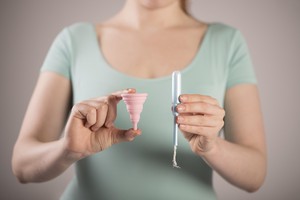
While you seek medical answers, certain products can offer more security and comfort. High-absorbency menstrual products like overnight pads, super-absorbency tampons, or menstrual cups designed for heavy flow can provide longer protection. Many find that period underwear, which can hold several tampons' worth of fluid, offers reliable backup or can be used on their own on lighter days.
Supporting your overall health is also key. Ensuring adequate iron intake through diet (think leafy greens, legumes, and lean red meat) or a supplement, staying hydrated, and prioritizing rest during your period can help mitigate some of the draining effects of heavy bleeding.
Listening to your body is not an overreaction—it’s essential self-care. Distinguishing between a challenging period and a sign of something more allows you to take informed, proactive steps toward your long-term health and comfort.