
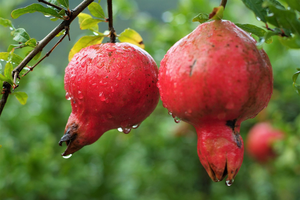
A practical explainer on how falling estrogen disrupts your sleep cycle and what helps
Falling estrogen disrupts your sleep cycle through temperature, cortisol, and brain chemistry shifts. Learn how to restore rest naturally.
We found 38 results for "sleep". Here are the most relevant articles:
Falling estrogen disrupts your sleep cycle through temperature, cortisol, and brain chemistry shifts. Learn how to restore rest naturally.

Dietitians share specific foods that support melatonin, serotonin, and magnesium during menopause to improve sleep when estrogen levels fluctuate.
Sleep disruption during menopause is real. These 4 expert-backed tips use circadian biology and temperature regulation to help realign your sleep schedule naturally.

Discover three specific evening routine mistakes that can worsen insomnia during perimenopause and menopause, plus simple, practical sleep tips for better rest.
Two common daily habits—drinking alcohol too late and overheating at night—can worsen menopause sleep disruption. Sleep experts explain how to fix both.
Learn 3 specific warning signs that your sleep disruption is linked to perimenopause hormone shifts, including night sweats, early waking, and daytime fatigue.
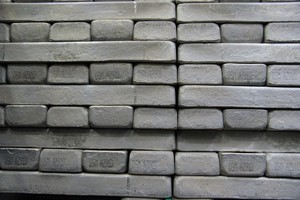
Learn about four magnesium-rich foods that can help improve sleep quality during menopause and hormonal changes, including pumpkin seeds, leafy greens, and more.
Learn which 5 common drinks can worsen menopause sleep disruption and what to sip instead for cooler, more restful nights.
When estrogen drops, sleep often suffers. Learn which three foods can support falling estrogen and help you sleep better during perimenopause and menopause.

Learn why pregnancy sleep changes happen due to hormones and physical discomfort, plus practical tips to rest better in every trimester.



Owala FreeSip Insulated Stainless Steel Water Bottle with Straw, BPA-Free Sports Water Bottle, Great for Travel, 24 Oz, Very, Very Dark
Check it out

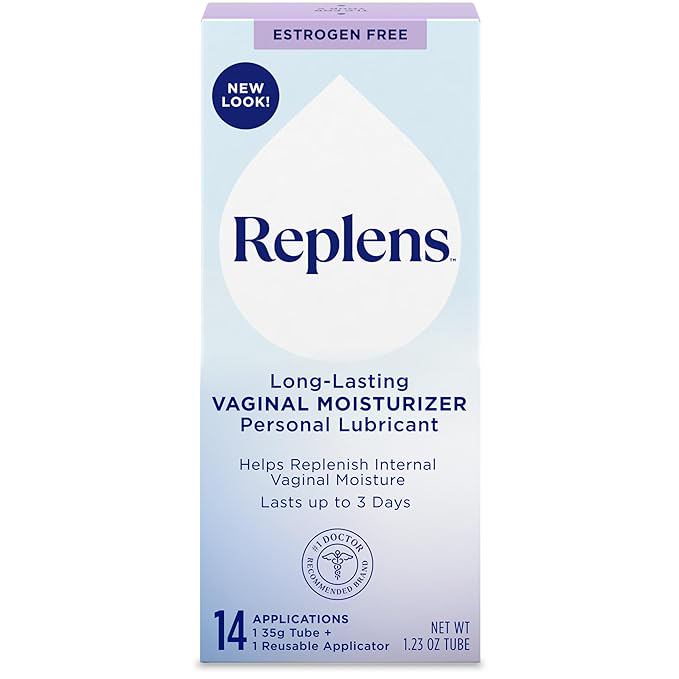
Replens Long Lasting Vaginal Moisturizer for Vaginal Dryness with Reusable Applicator, Doctor Recommended & Estrogen-Free, 14 Applications
Check it out