When estrogen begins to decline—whether from perimenopause, menopause, or other hormonal shifts—the body's natural sleep rhythms often take a hit. Many women find themselves lying awake, feeling restless or overheated, wondering what changed. The relationship between estrogen and sleep is tightly linked: this hormone helps regulate body temperature, supports the production of calming neurotransmitters, and influences the circadian clock. As it drops, sleep can become lighter, more fragmented, and harder to reach.
While no single food can replace hormone therapy or solve every sleep struggle, certain evening snacks can help nudge the body back toward restfulness. The key is choosing foods that support the systems estrogen once helped govern—especially temperature control, blood sugar stability, and the production of melatonin or GABA. Here are three foods to eat before bed that align with what your body needs when estrogen is low.
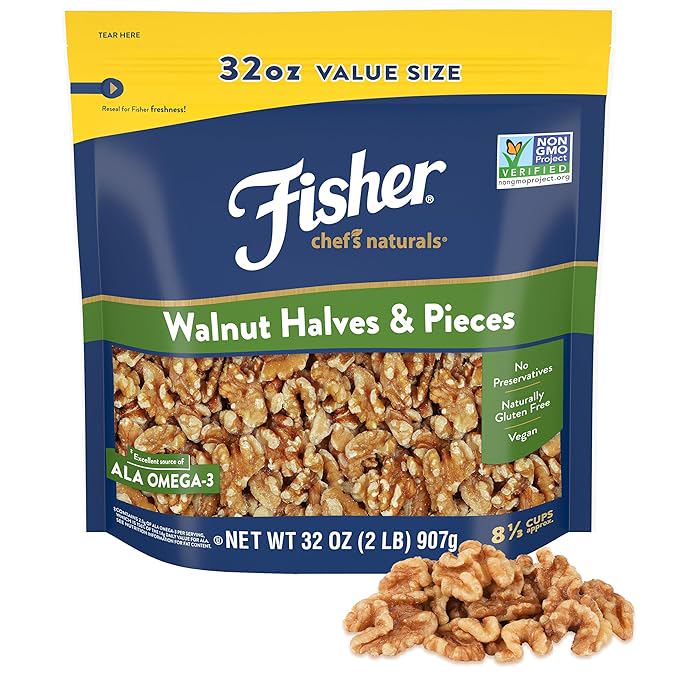
A handful of walnuts
Walnuts are one of the few plant foods that naturally contain melatonin, the hormone that signals your body it's time to wind down. But their value goes beyond that. They also supply omega-3 fatty acids, which support healthy inflammation responses and may help with the joint discomfort or tension that sometimes worsens at night when estrogen is low.
A small serving—about a quarter cup—eaten about an hour before bed gives the digestive system enough time to start processing without causing discomfort. Choose raw or dry-roasted walnuts without added salt or sugar. If you find the taste a little strong on its own, pair them with a few slices of banana, which provides magnesium and potassium to relax muscles.
Because walnuts contain both melatonin and omega-3s, they offer a two-pronged support for falling asleep and staying asleep.
A small bowl of tart cherries or unsweetened cherry juice
Tart cherries are one of the few food sources that deliver a measurable amount of natural melatonin. Research suggests that regular consumption can improve sleep duration and quality, particularly in people with low melatonin levels—a common issue when estrogen drops. The anthocyanins (the pigments that give cherries their deep red color) also help reduce oxidative stress, which can disrupt sleep by causing nighttime awakenings.
A half-cup of frozen or fresh tart cherries, or about four ounces of unsweetened tart cherry juice, makes a good evening portion. If you choose juice, dilute it with water to reduce the sugar load, which can otherwise spike blood sugar and interfere with sleep. Pair the fruit with a tablespoon of yogurt for a touch of protein and calcium—both support the nervous system and may help with temperature regulation.
Warm milk or a small serving of kefir
The old advice to drink warm milk before bed has real science behind it, especially for women with falling estrogen. Dairy contains tryptophan, an amino acid the body converts into serotonin and then into melatonin. Milk also provides calcium, which helps the brain use tryptophan more efficiently. When estrogen is low, calcium absorption can become less efficient, so getting a little extra from food can be helpful.
If you're sensitive to lactose or prefer a lower-sugar option, unsweetened kefir works well—its probiotics may also support the gut-brain axis, which influences mood and relaxation. Warm a half-cup and sip it slowly about thirty minutes before you plan to sleep. A light dusting of cinnamon or nutmeg can add flavor and a subtle blood-sugar-stabilizing effect.
These three choices share a few important traits: they're easy to digest, they don't cause blood sugar spikes, and they supply nutrients that directly support the pathways estrogen once regulated. Each works best as part of a consistent bedtime routine that includes dim lighting, screen reduction, and a calm wind-down period. No food is a cure-all, but the right small snack can make the difference between lying awake for an hour and drifting off naturally.