
You wake up, glance in the bathroom mirror, and there it is: a fresh, angry bump right in the middle of your forehead. In that moment, you face a choice that will determine whether that spot heals cleanly or leaves a mark that sticks around for months. The difference between a temporary blemish and a permanent scar often comes down to one split-second decision—and the habits that surround it.
Forehead skin is thinner than the skin on your cheeks or chin, and it’s directly stretched over the underlying bone. That tight anatomy means any inflammation from a pimple can put pressure on the skin in a way that leads to deeper damage. Combine that with the natural oils, hair products, and frequent touching that foreheads endure, and you have a perfect setting for scarring. Understanding what physically happens when you pick versus when you resist can help you protect your skin without requiring willpower you don’t have.
What picking does to the tissue underneath
When you squeeze or scratch a pimple, you’re not just removing contents on the surface. The motion pushes inflammatory material sideways and downward into the dermis—the living layer of skin where collagen lives. That pressure can rupture the follicle wall, spill bacteria deeper, and trigger the body to wall off the area with scar tissue. This is why a picked pimple often becomes redder, larger, and more painful after the attempt.
Even if you feel like you successfully removed the core, the trauma to the surrounding skin can set off a healing cascade that produces either a depressed scar (atrophic, like an icepick or boxcar scar) or an elevated one (hypertrophic). The forehead is particularly prone to icepick scars because the pores there are small and deep; the narrower the original opening, the more concentrated the damage can be.
A single picking session can undo weeks of healing and create collagen changes that last for years.
What leaving it alone actually does (and doesn’t do)
Leaving a pimple untouched is not the same as ignoring it. You still need to keep the area clean and reduce inflammation, but the natural process of resorption will break down the contents over time. Your immune system sends white blood cells to clear debris, and the pore lining slowly repairs itself. Without external trauma, the risk of scarring drops significantly because the inflammation stays contained within the follicle.
The main drawback of leaving it alone is time. A deep inflamed pimple can take seven to ten days to flatten without intervention. That’s an eternity when you have a meeting or a date. But the trade-off is straightforward: waiting a week for natural resolution versus waiting months or years for a scar to fade—if it fades at all.
Why forehead marks are slower to vanish
Scars on the forehead often appear more stubborn because of movement. Every time you raise your eyebrows, frown, or squint, the skin stretches and compresses over the bone. This constant motion can make healing tissue less organized and more visible. The same sunlight that hits your face also accelerates hyperpigmentation in healing spots. A dark mark from a healed pimple (post-inflammatory hyperpigmentation) can linger for three to six months on the forehead, especially if you’re not consistent with sunscreen.
Five habits that replace the picking reflex
Breaking the habit takes more than good intentions; you need a physical alternative. If you tend to pick while looking in the mirror or during moments of low focus, these swaps can protect your skin without demanding perfect discipline.
- Apply a small hydrocolloid patch before bed. The patch creates a physical barrier that stops your fingers from reaching the pimple. It also absorbs fluid, which can reduce the size of the blemish overnight. Wearing one during the day is optional depending on your comfort, but the nighttime habit alone can cut picking frequency by half.
- Ice for three minutes at the first sign of tenderness. Early inflammation is the best time to intervene. Wrap an ice cube in a thin cloth and hold it against the pimple. Cold reduces blood flow to the area, which calms redness and discourages you from poking at a spot that feels less angry.
- Keep your hands busy with a small object. This sounds simple because it works through sensory substitution. During phone calls, video meetings, or driving, keep a smooth stone, a fidget tool, or even a pen in your hand. If your hands are occupied, they cannot migrate to your face.
- Change pillowcases and phone screens twice a week. Forehead acne is often driven by contact transfer of oil, bacteria, and hair product residue. Reducing that irritation means new pimples form less frequently, which gives you fewer triggers to pick at.
- Use a spot treatment with salicylic acid or benzoyl peroxide. These ingredients work differently: salicylic acid exfoliates inside the pore to clear blockages, while benzoyl peroxide kills the bacteria involved in inflammation. Applying either one—not both at the same time—to a developing pimple can reduce its peak size and make it less tempting to touch.
What to do when you absolutely must touch it
Occasionally, a pimple reaches a point where the surface is so thin that it will rupture on its own—usually with friction from a towel or pillow. In that scenario, a controlled extraction is safer than letting it burst in an unpredictable direction. If you decide you need to intervene, use this careful method:
- Wash your hands and the pimple area with a gentle cleanser.
- Wrap clean fingers or a tissue around the pimple, positioned around its base. Do not use fingernails.
- Apply steady, even pressure downward and slightly outward—not aggressive squeezing. If nothing comes out after two gentle attempts, stop. The pimple is not ready.
- Clean the area again and apply a hydrocolloid patch to absorb any remaining fluid.
This approach is not a free pass to pick. It is the safest way to handle a situation where a rupture is inevitable. Any time you break the skin, you create a portal for bacteria and a longer healing timeline.
How to treat the spots you already have
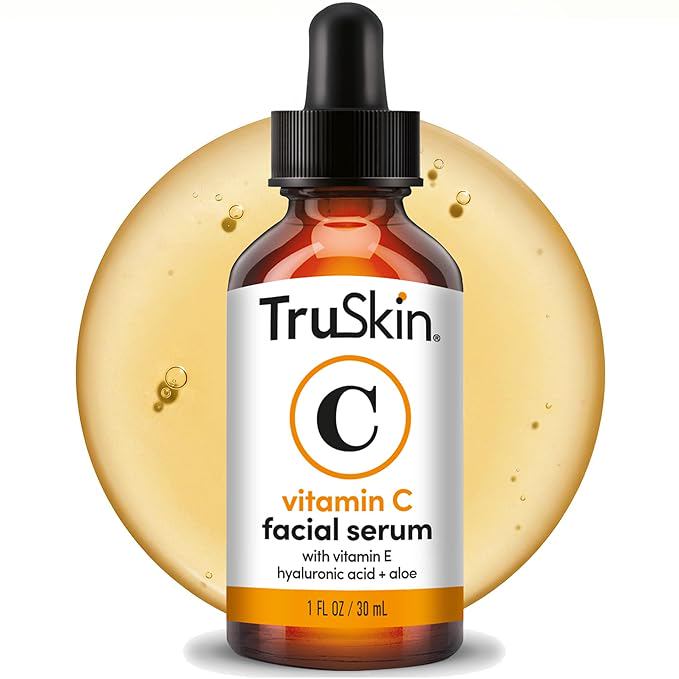
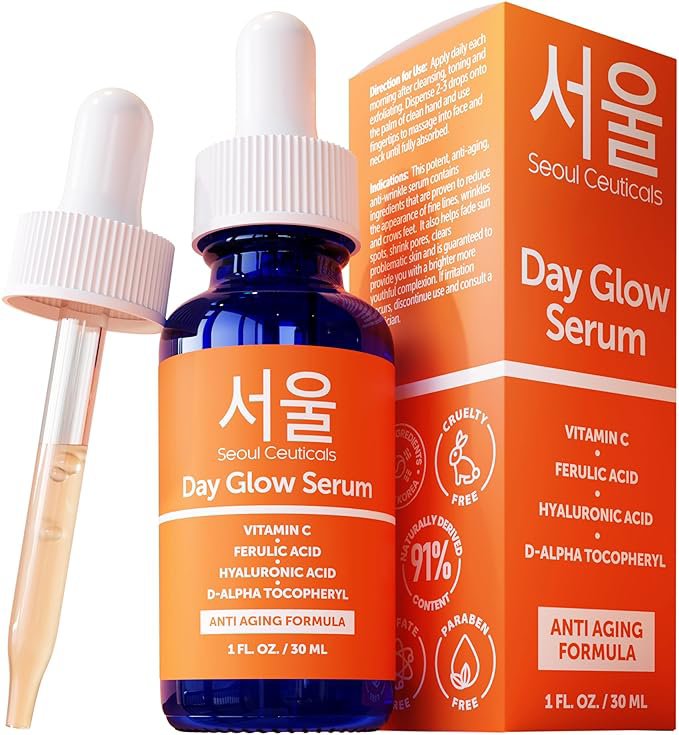
If you already have marks from past picking, the path forward depends on what type of discoloration or texture change is present. Flat red or brown marks without any dent in the skin are usually post-inflammatory hyperpigmentation. These respond well to sunscreen used daily, plus ingredients like vitamin C serums or niacinamide over several weeks. Dented scars, however, are actual tissue loss that cannot be corrected with creams. Those require in-office treatments: microneedling, laser resurfacing, or chemical peels performed by a dermatologist or licensed professional. Starting early with prevention is always easier, but existing scars can still improve with consistent care.
The forehead tells a story of every habit that touches it—hands, products, pressure, sleep. The choice to pick or to leave alone is small, but the difference it makes in your skin’s long-term texture is not.