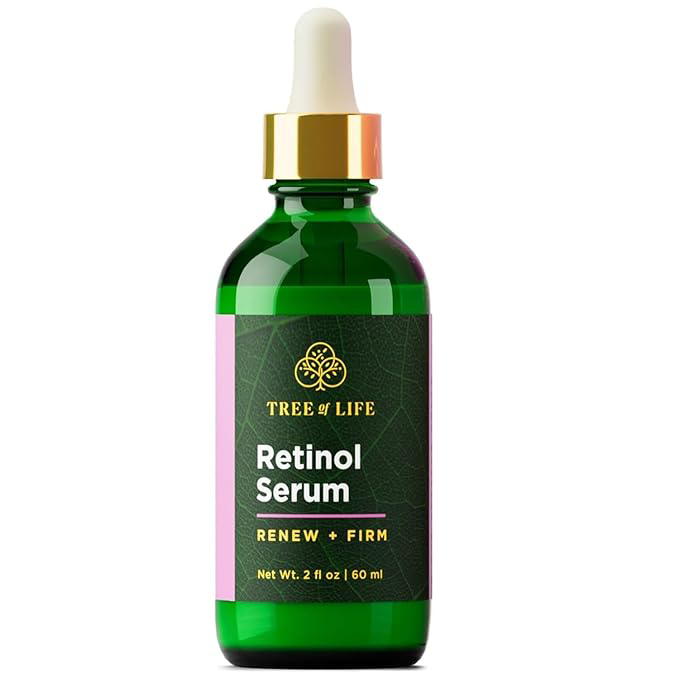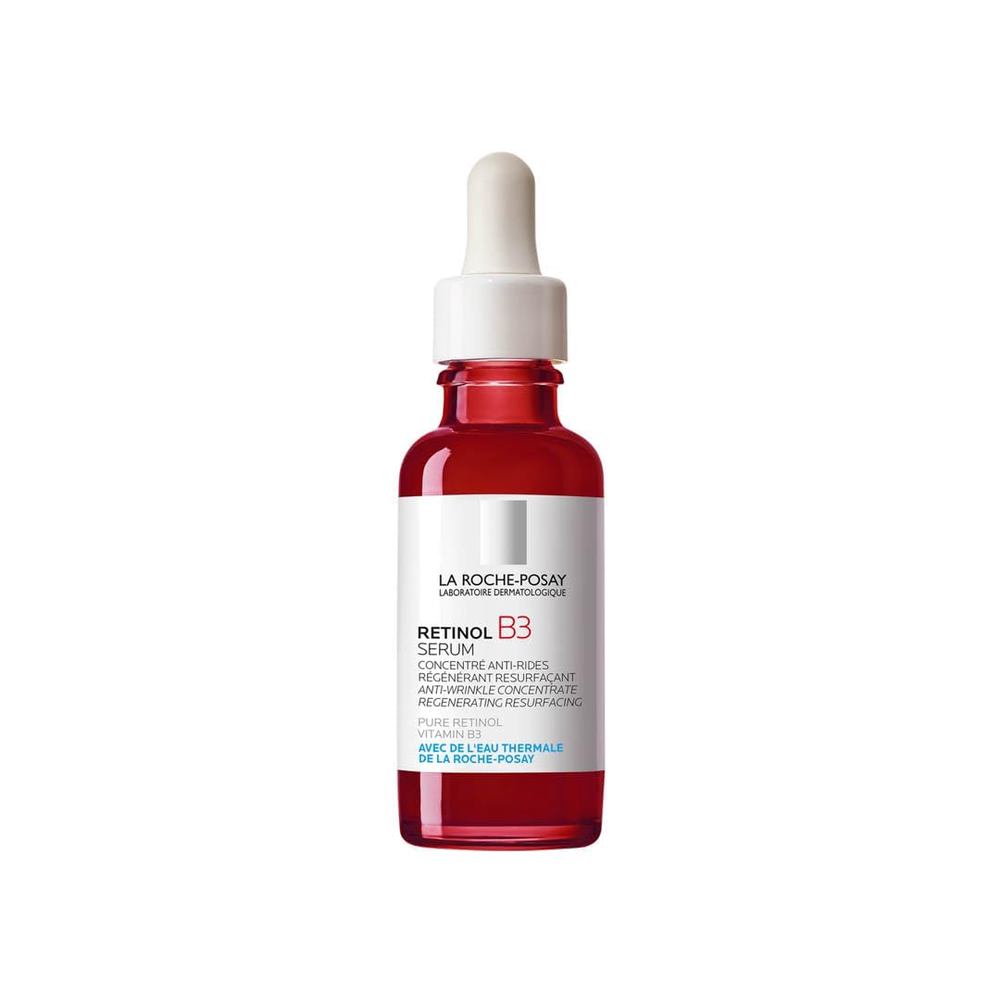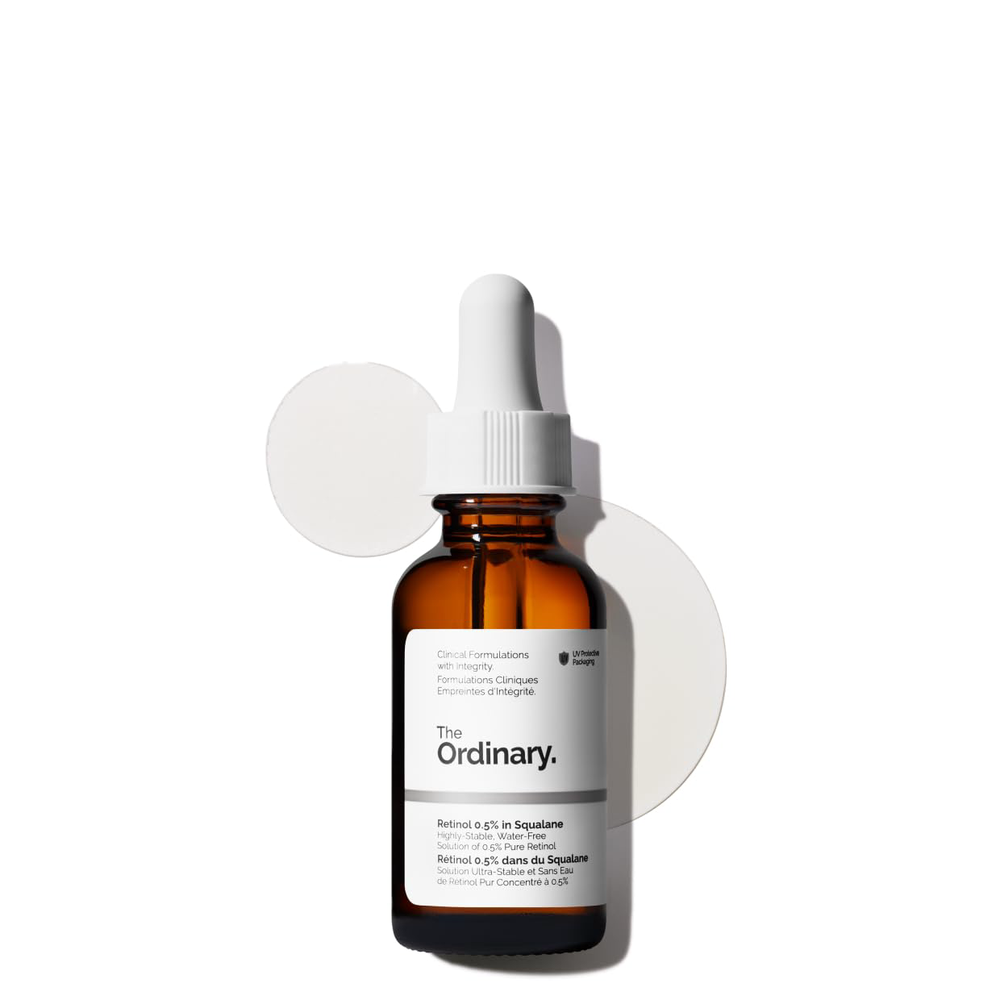
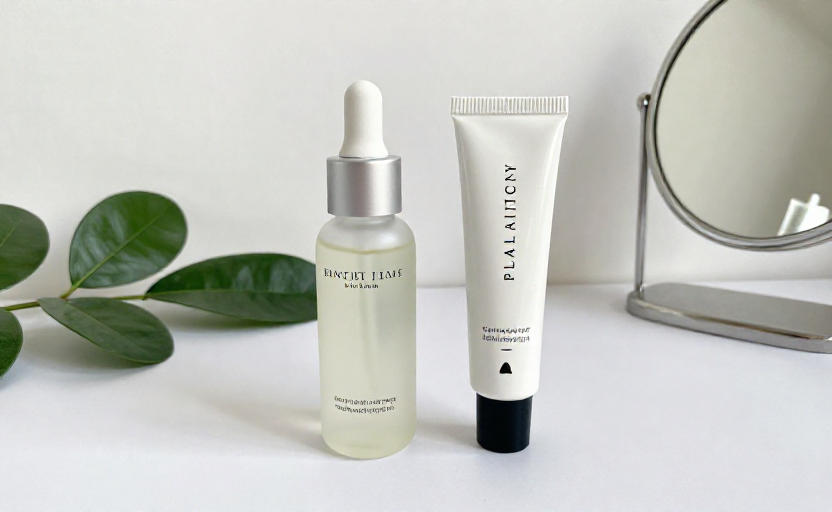
You've been eyeing your reflection a little longer lately, tracing the line of your jaw with your fingers. You want the skin to feel tighter, to bounce back the way it used to. The beauty aisle screams two answers at you: a sleek bottle of peptide serum or a trusty tube of retinol. Both promise firmness, but they work in fundamentally different ways. A dermatologist can cut through the marketing noise and tell you exactly which one deserves a spot on your shelf—and whether you actually have to choose at all.
How retinol builds firmness from the inside
Retinol is a derivative of vitamin A, and in the world of dermatology, it is the gold standard for remodeling collagen. When you apply it consistently, your skin converts it into retinoic acid, which slips inside your skin cells and literally tells them to behave more youthfully. It speeds up cell turnover and stimulates fibroblasts—the cells that weave new collagen and elastin fibers.
“Retinol is the workhorse for structural repair. Think of it as sending in a construction crew to rebuild the scaffolding under your skin.”
The catch is that this process comes with irritation. Redness, peeling, and a purging phase are common. You cannot rush it, and you cannot skip sunscreen while using it—retinol makes your skin highly photosensitive. For firmness gains, you need to be patient for about three to six months of consistent use, and results plateau without a steady routine.
What peptides do differently for sagging skin
Peptides are short chains of amino acids—the building blocks of protein. When applied topically, they act as signaling molecules. They send a gentle message to your skin: “Hey, we need more collagen here.” Unlike retinol, which aggressively forces change, peptides cue your skin to do what it already knows how to do, only more efficiently.
This makes peptides far gentler. There is no peeling, no sun sensitivity spike, and no downtime. You can use a peptide serum morning and night without wrecking your moisture barrier. However, the results are subtler and slower. Peptides do not remodel skin structure as deeply as retinol does. They are better described as tonic for firmness—maintaining and softly improving what you already have, rather than rebuilding from scratch.
“Peptides are the maintenance crew. They keep the building tidy and patch small cracks, but they don’t dig up the foundation.”
Comparing firmness outcomes side by side
If you need a visual, imagine your skin as a mattress. Retinol replaces old stuffing and tightens the springs. Peptides keep the stuffing evenly distributed and prevent the springs from squeaking. Both improve firmness, but the scale and mechanism are completely different.
- Speed of results: Retinol shows measurable improvement in firmness by month three. Peptides show subtle improvement by month two, but the change is less dramatic.
- Depth of action: Retinol penetrates the dermis and shifts cellular behavior. Peptides work mostly in the upper dermis and epidermis, signaling rather than forcing.
- Best candidate: Retinol suits someone with no active skin barrier issues who can handle three to six months of adjustment. Peptides suit anyone with sensitive skin, rosacea, or a busy lifestyle that does not allow for a complex routine.
The real-world routine: can you use both?
This is where the dermatologist leans in. The most effective approach for firmness is often a strategic combination. You do not have to pick a side forever. Many dermatologists recommend a layered routine where retinol is used at night, and a peptide serum is applied in the morning.
The logic is simple. At night, retinol gets to work rebuilding collagen while you sleep. In the morning, peptides protect that new collagen from breaking down and support your skin barrier against environmental stress. This is not a marketing gimmick—it is a scientifically sound way to target firmness from two angles without overwhelming your skin.
How to introduce them without irritation
- Start with retinol once a week for two weeks, then twice a week for a month. Always use it on clean, dry skin. Wait twenty minutes after cleansing before applying retinol—this reduces irritation significantly.
- Use your peptide serum every morning after cleansing and before moisturizer. Because peptides are water-soluble, they need to be applied to damp skin for best absorption.
- If your skin starts peeling or stinging, drop retinol back to once a week. Do not stop the peptide serum—it helps repair the barrier retinol may temporarily stress.
The golden rule: never apply retinol and a peptide serum at the exact same time unless the product is specifically formulated to combine them. The pH and texture can destabilize peptides when mixed with retinol in the same layer.
Which ingredient wins for long-term firmness?
If you can only pick one product and your skin tolerates it, retinol wins the firmness contest on paper. It has decades of clinical data backing its ability to thicken the dermis and improve skin laxity. But here is the nuance most articles skip: retinol only works if you use it consistently. If you cannot tolerate it—if you stop after three weeks because your skin is on fire—you get zero benefit.
Peptides have a much higher compliance rate. People actually stick with them because they feel pleasant. A gentle serum used twice a day for a year outperforms a strong retinol used sporadically for two months. The best ingredient is the one you will not abandon.
“A dermatologist’s honest advice: don't marry the ingredient. Marry the result. If your skin hates retinol, peptides plus a consistent SPF routine will give you more firmness than forcing a retinoid that burns.”
Quick guide to shopping smart
When you browse for a peptide serum, look for the word “matrixyl” or “copper peptides” on the label—these have the strongest evidence for collagen support. For retinol, any concentration between 0.25% and 0.5% is a smart starting point for firmness without severe irritation. Do not pay extra for fancy packaging or fragrance. The chemistry inside the bottle matters far more than the bottle itself.
Above all, remember that firmness is not a one-week project. Whether you choose the construction crew (retinol) or the maintenance team (peptides), you are playing the long game. Stick with it, protect your skin from the sun, and your reflection will thank you in six months.