
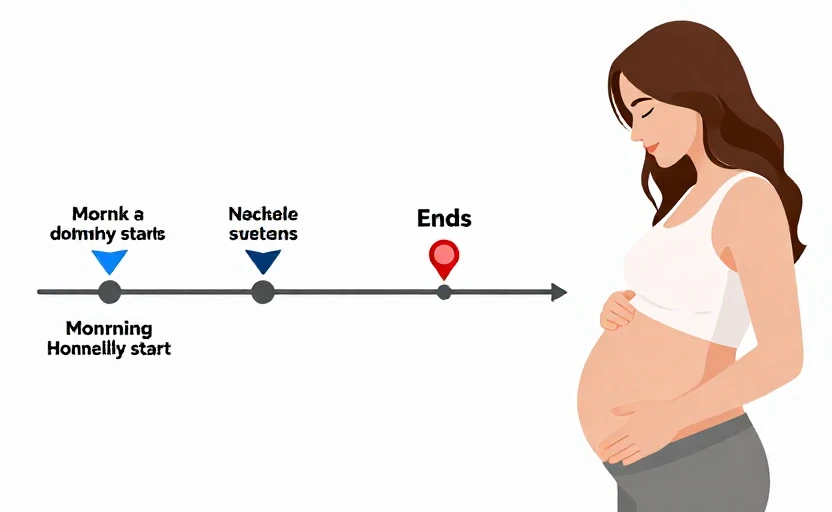
For many, the first sign of pregnancy isn't a test line, but a wave of nausea. Morning sickness is a common, yet deeply personal, part of the journey for most pregnant people. Understanding its typical pattern—when it tends to begin, when it's often most intense, and when you can expect it to fade—can provide a reassuring map through an uncomfortable stretch.
It's more than just a queasy stomach; it's a physical reminder of the profound changes happening within. While the experience varies widely, knowing the general timeline helps you contextualize your own symptoms and recognize when to seek support.
When does morning sickness usually start?
For the majority, the first whispers of nausea appear around week 6 of pregnancy. This timing isn't random; it often coincides with a significant rise in the pregnancy hormone human chorionic gonadotropin (hCG). Since pregnancy dating starts from the first day of your last menstrual period, this means nausea frequently begins about two weeks after a missed period.
Some may feel a subtle shift earlier, around week 4 or 5, perhaps describing it as a heightened sensitivity to smells or a general unease. Others might not feel anything until week 7 or 8. This variation is completely normal and isn't an indicator of the pregnancy's health on its own.
The name "morning sickness" is a misnomer. Nausea can strike at any hour—morning, afternoon, or night—and for some, it lingers all day.
When does morning sickness peak?
The most intense period typically falls between weeks 8 and 10 of pregnancy. During this window, hormone levels are climbing steeply, and the body is working hard to establish the placenta. This peak can feel relentless, with nausea that is more frequent and severe.
It's during this peak that symptoms often graduate from mild queasiness to actual vomiting for many. The sheer exhaustion of coping with constant nausea is a real challenge. Remember, this peak is a phase, not the new normal for the entire pregnancy.
When does morning sickness typically end?
For most, a noticeable turn toward relief comes around weeks 12 to 14, as the first trimester ends. This improvement frequently aligns with the placenta taking over more hormone production, allowing levels to stabilize or even dip slightly.
Many people find their appetite returns and energy levels begin to rebound during this time. However, a gradual taper is more common than an abrupt stop. You might have good days and bad days before the nausea fully recedes.
What if morning sickness lasts longer?
It's not unusual for some degree of nausea to persist into the second trimester. For a smaller group, symptoms may continue intermittently or at a lower level until week 16 or even 20. In rare cases, some experience nausea throughout the entire pregnancy. If your symptoms extend beyond the first trimester, you're not alone, but it's worth discussing with your healthcare provider for ongoing management strategies.
What can you do to manage symptoms?
While you can't stop the hormonal tide, you can often ease the ride. Practical, gentle strategies can make a significant difference in daily comfort.
- Eat small, frequent meals: An empty stomach often worsens nausea. Keep simple crackers, dry cereal, or a banana by your bedside to eat before you even get up.
- Stay hydrated: Sip fluids steadily throughout the day. Cold water, herbal ginger or peppermint tea, or electrolyte-infused water can be easier to tolerate than large amounts at once.
- Identify and avoid triggers: Strong smells (like perfume, coffee, or certain foods) are common culprits. Ventilate your kitchen, ask for help with cooking, and carry a scent you find pleasant, like lemon or mint, to counteract unpleasant odors.
- Prioritize rest: Fatigue is a major amplifier of nausea. Listen to your body and allow for extra sleep and downtime, especially during the peak weeks.
Some find relief with acupressure wristbands, vitamin B6 supplements (after discussing with a provider), or protein-rich snacks. The goal is not to eliminate symptoms entirely but to find ways to make them more manageable.
When to contact your doctor or midwife
Morning sickness, while common, should not be debilitating or dangerous. Reach out for medical advice if you experience any of the following:
- You are unable to keep any food or liquids down for 24 hours.
- You're losing weight.
- You feel dizzy, lightheaded, or have a very fast heartbeat when you stand up.
- You have signs of dehydration, such as very dark urine, infrequent urination, or extreme thirst.
- You have severe, constant abdominal pain or cramping.
These could be signs of hyperemesis gravidarum, a severe form of nausea and vomiting in pregnancy that requires medical treatment to protect both your health and the pregnancy's. There is no need to suffer in silence; effective treatments and support are available.
Navigating morning sickness is about patience, self-compassion, and practical coping. By understanding its typical arc, you can face each day with a bit more context, knowing that for most, this challenging chapter does have a clear endpoint in sight.