
Vaginal comfort is a cornerstone of daily well-being, yet it’s often quietly undermined by routine habits we don’t think twice about. That subtle sense of irritation, dryness, or imbalance isn't something you just have to live with. More often than not, it's a signal—a gentle nudge to reconsider what’s happening in your daily routine.
From the products we choose to the clothes we wear, small, repeated choices can have a big cumulative effect on this sensitive ecosystem. The path to comfort isn't about drastic overhauls, but about identifying and sidestepping common, well-intentioned mistakes.
Over-Cleansing and Harsh Soaps
The desire to feel fresh is natural, but the vagina is designed to be self-cleaning. Its delicate pH balance and bacterial flora maintain health on their own. One of the most frequent mistakes is disrupting this balance with aggressive hygiene.
Using scented soaps, body washes, or douches inside or around the vulva can strip away protective oils and beneficial bacteria. This can lead to dryness, irritation, and even create an environment where less-friendly bacteria or yeast can thrive.
Think of it as tending a garden—you support the natural environment, you don't scrub it clean.
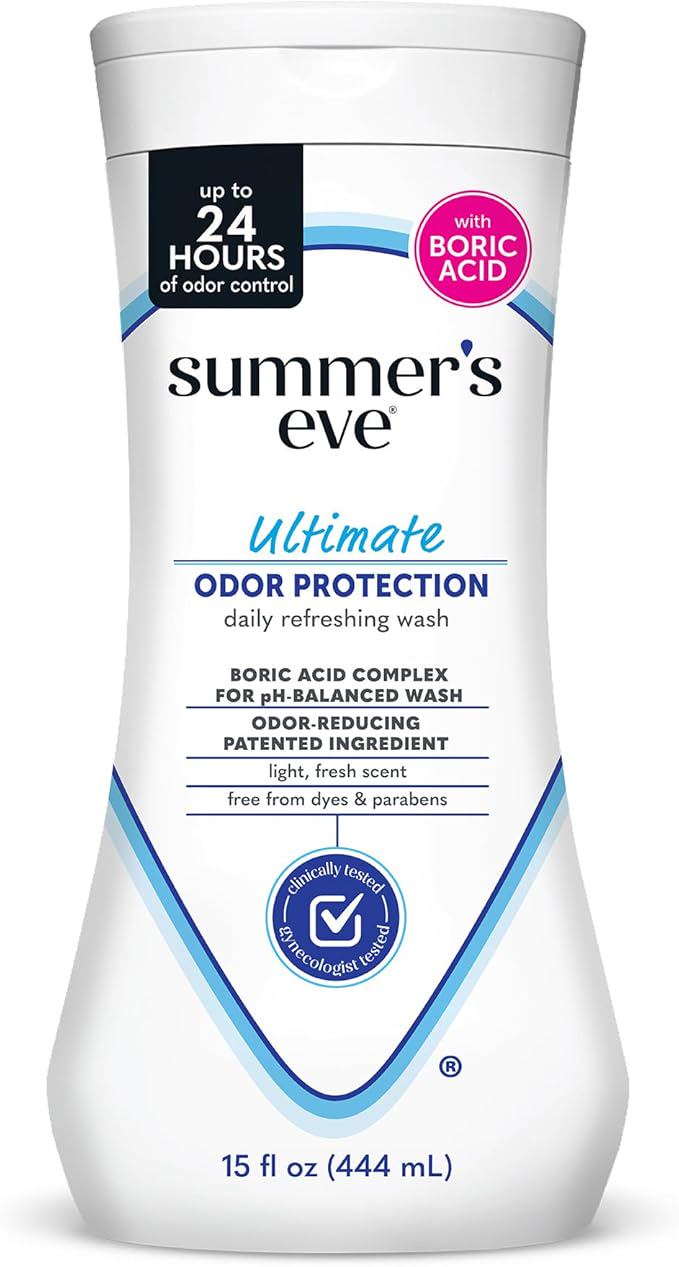
For external cleansing, warm water is usually sufficient. If you prefer to use a cleanser, opt for a mild, fragrance-free, pH-balanced wash designed for intimate use, and use it sparingly.
Choosing the Wrong Underwear and Clothing
What you wear matters more than you might think. The goal is breathability. Tight, non-breathable fabrics like synthetic nylon or polyester can trap heat and moisture, creating a warm, damp environment that encourages bacterial growth and irritation.
- Fabric Choice: Cotton is the gold standard for underwear because it’s breathable and absorbs moisture. If you love other styles, look for ones with a cotton-lined gusset.
- Fit: Opt for underwear that fits well without being constricting. Tight thongs, for instance, can cause friction and transfer bacteria from the anus to the vaginal area.
- Sleepwear: Giving yourself a break at night by sleeping without underwear or in loose cotton bottoms can be incredibly beneficial for air circulation.
Misusing Panty Liners and Menstrual Products
Panty liners and certain menstrual products are useful tools, but daily or improper use can backfire. Wearing a panty liner every day, especially scented ones, can prevent airflow and may contain chemicals or fragrances that irritate sensitive skin.
Similarly, it’s crucial to change tampons, pads, and menstrual cups regularly—at least every 4-8 hours. Leaving a tampon in for too long isn't just about leakage; it can disrupt pH and increase the risk of irritation or infection.
When it comes to menstrual products, regularity is key. Set a phone reminder if you tend to forget.
Ignoring Lubrication Needs
Discomfort during intimacy is a common complaint, and often the simple solution is adequate lubrication. Assuming your body will always provide enough natural lubrication can lead to friction, which causes micro-tears, soreness, and can upset your natural balance.
Using a personal lubricant is a proactive step for comfort and safety. The key is choosing the right type:
- Water-based or silicone-based lubricants are generally safe to use with condoms and are easy on sensitive tissues. Look for options without glycerin or parabens if you are prone to yeast infections.
- Oil-based lubricants (like coconut oil) can degrade latex condoms and are not recommended for use with them.
Remember, needing lubrication is normal and not a reflection of arousal.
Overlooking Laundry and Product Ingredients
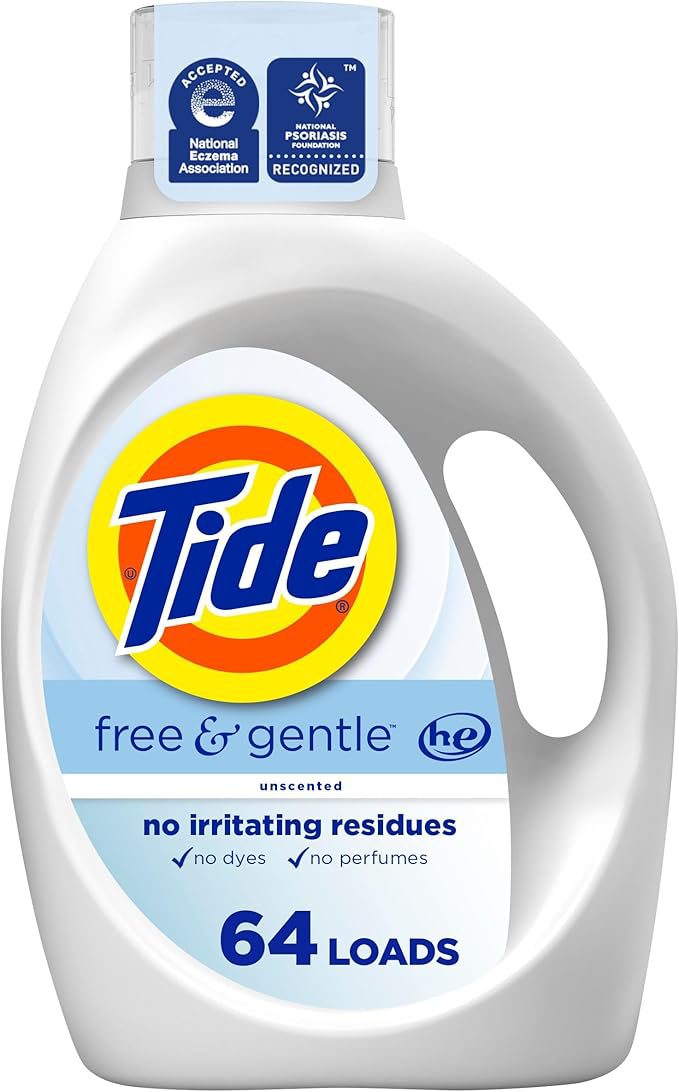
The residues left on your clothes and towels from detergents, fabric softeners, and dryer sheets can be a hidden source of irritation. Fragrances and harsh chemicals in these products don't always rinse out completely and can linger on fabric that sits against your skin all day.
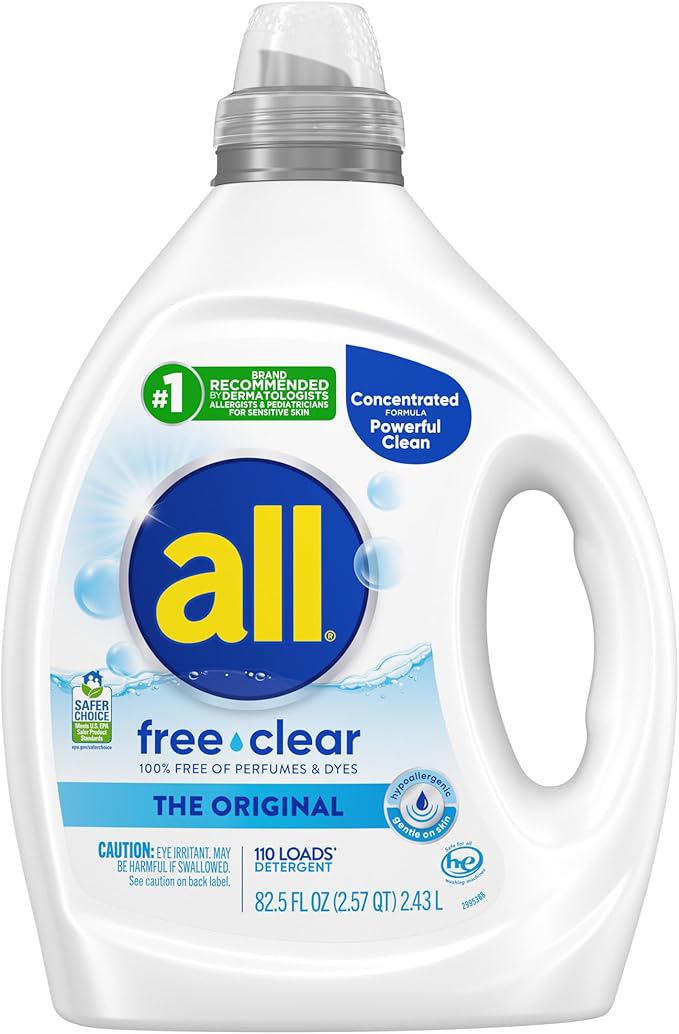
Consider switching to a hypoallergenic, fragrance-free laundry detergent for your underwear, towels, and workout clothes. Skipping fabric softener on these items can also make a noticeable difference for sensitive skin.
Staying in Damp Clothing
Life gets busy, but lingering in damp workout clothes, swimsuits, or sweaty underwear is an invitation for discomfort. Moisture against the skin for prolonged periods softens the skin's protective barrier and encourages the growth of yeast and bacteria.
Make it a non-negotiable habit to change into dry, breathable clothing as soon as possible after swimming, sweating, or showering. This one simple change can prevent a multitude of issues.
When to See a Healthcare Provider
While adjusting your routine can resolve many issues, persistent discomfort is a message you shouldn't ignore. If you experience symptoms like unusual discharge, a persistent odor, itching, burning, or pain that doesn't improve within a few days of gentle care, it's time to consult a gynecologist or healthcare provider.
They can provide an accurate diagnosis—whether it's a yeast infection, bacterial vaginosis, a skin condition, or something else—and recommend appropriate treatment. Self-diagnosing and treating with over-the-counter products for the wrong condition can often make things worse.
Vaginal comfort is an integral part of your health. By paying attention to these everyday details and avoiding these common pitfalls, you support your body's natural wisdom, paving the way for lasting ease and well-being.