We tend to think of collagen loss as something that happens overnight—one morning you wake up, and suddenly the reflection in the mirror looks a little thinner, a little more tired. But the truth is far slower and far sneakier. Your skin has been sending signals for months, maybe years. The trick is learning to read them before the changes become obvious.
Collagen is the structural scaffolding that keeps skin firm, plump, and resilient. After about age 25, your body naturally slows production—and certain lifestyle habits, sun exposure, and stress can accelerate the decline. The early signs are subtle, but once you know what to look for, they are unmistakable. Here are five of the most telling cues that collagen is quietly slipping away.
1. You notice fine lines that stick around
Everyone gets expression lines when they smile or squint. The difference is what happens after you relax your face. In younger, collagen-rich skin, those temporary creases disappear within seconds. When collagen levels begin to drop, the skin loses its spring-back ability—and the lines linger longer.
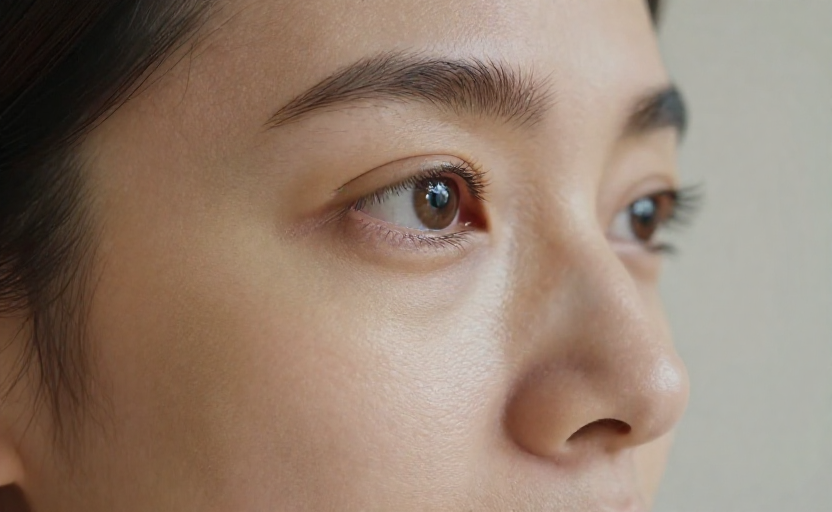
Pay attention to the area around your eyes (crow's feet) and your forehead. If you catch yourself thinking I still see that line even when my face is resting
, that's a reliable early warning. The skin's extracellular matrix is becoming less supportive, and the dermis is losing the tension that once erased those marks automatically.
2. Your pores look larger than before
This one surprises people. We tend to blame pore size on genetics or oil production, but collagen loss plays a major role. Think of your pores as openings in a tightly woven fabric. When the collagen fibers surrounding each pore weaken and sag, the opening effectively widens.
If you look in the mirror and notice pores that appear more visible—especially on your cheeks and the sides of your nose—it may not be a skincare-product failure. It may be that the supportive structure around those pores is thinning. A loss of firmness in the skin means everything, including pore-boundary tissue, starts to slacken.
3. Your skin feels thinner or takes longer to recover
Collagen gives the dermis thickness and bounce. As production declines, the skin itself can feel more fragile. You might notice that a small scratch or a pimple mark leaves a red or brown spot that lingers for weeks instead of days. The healing process slows because the structural components needed for repair are in shorter supply.
Some people describe this as skin that feels papery
or less resilient to the touch. If you gently pinch the skin on the back of your hand or your cheek and it feels looser than it did a few years ago, that tactile change is worth noting. It signals a quieter, ongoing reduction in dermal density.
4. Your complexion looks drier—but it's not really dry
This is one of the most confusing early signs. You might find yourself reaching for heavier moisturizers or adding more hydrating serums, yet your skin still looks parched and lacks that internal glow. The problem isn't always a lack of water or oil. Collagen fibers help hold moisture within the skin's layers. When those fibers degrade, the skin's ability to retain hydration diminishes—even if you're doing everything right topically.
A complexion that looks dull and dehydrated despite a solid moisturizer routine is often a behind-the-scenes collagen signal, not a moisturizer failure.
If you notice crepiness around the décolletage or the under-eye area that no amount of cream seems to fix, consider it a clue that the deeper foundation of your skin needs support, not just surface hydration.
5. Your face looks older even in good lighting
This is the gestalt sign—the one friends might notice before you do. When collagen declines uniformly, the overall architecture of the face changes subtly. You may see a mild loss of volume in the temples, a less defined jawline, or slight sagging around the cheeks that isn't enough to call jowls
but makes you look tired even when you're well rested.
It happens because the skin envelope has loosened just enough to lose its snug fit over the underlying bone and muscle. The effect is cumulative, and it's often the reason someone says you just look different
without being able to pinpoint exactly what changed.
What you can do about early collagen loss
Identifying the signs is the first step. The second is understanding that while you cannot stop the natural aging process, you can influence the rate of decline. If you smoke, quit—tobacco smoke is directly toxic to collagen fibers. Wear broad-spectrum sunscreen daily, because UV radiation breaks down existing collagen. And support your body's synthesis with consistent intake of nutrients like vitamin C (which is required for collagen production) and amino acids from protein-rich food.
Topical retinoids, when used consistently under the guidance of a dermatologist, have been shown to stimulate collagen production in the dermis. Devices like microneedling and certain energy-based treatments also aim to trigger a wound-healing response that rebuilds collagen over time. But do not start any treatment without a proper consultation.
The goal isn't to panic at the first sign of a lingering line or a slightly wider pore. It's to become fluent in what your skin is quietly communicating. The earlier you recognize the signals, the more runway you have to make choices that support your skin's structure—on its own terms, at its own pace.