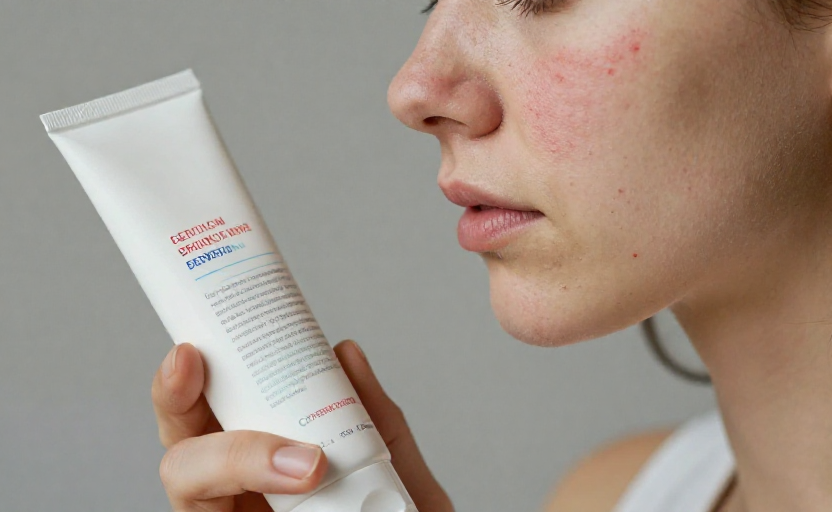
You’re washing your face twice a day, likely using a product marketed specifically for breakouts. Yet your skin feels tight, looks red, and those bumps just keep coming. It’s frustrating, and it leads to a common question: could the very thing meant to clean your skin be making things worse?
Short answer: yes. The wrong cleanser can strip your moisture barrier, irritate existing acne, and even trigger new breakouts. The good news is you don’t need a dermatology degree to spot the problems. You just need to know which three things to look for on the ingredient label.
The problem with harsh surfactants
Cleansers work because of surfactants—compounds that lift dirt and oil off your skin so water can rinse them away. But not all surfactants are gentle. Some are so effective at removing oil that they also strip the natural lipids your skin needs to stay balanced.
When your moisture barrier gets damaged, your skin can react in two ways that both worsen acne: it may get dry and inflamed, making existing spots more red and sore, or it may try to compensate by producing more oil, leading to clogged pores.
Sodium Lauryl Sulfate (SLS) and its cousins
Sodium Lauryl Sulfate is the classic harsh cleanser. You’ll also see Sodium Laureth Sulfate (SLES) and Ammonium Lauryl Sulfate. These are inexpensive and create a big, satisfying lather. That foamy feeling is often associated with cleanliness, but for acne-prone skin, it’s a red flag. They can be too stripping, especially if your face wash is a gel or a foaming formula you use daily.
What to look for instead: Look for cleansers that use “fatty acid + isethionate” surfactants like sodium cocoyl isethionate, or glucosides like decyl glucoside. These are much gentler and still clean well without the tight, squeaky feeling.
The “innocent” ingredients that can clog pores
Even if a cleanser isn’t stripping your skin, it could be leaving something behind that clogs your pores. This is a big one for people using cream or milky cleansers, which are often recommended for dry or sensitive skin but can contain pore-clogging ingredients.
Coconut oil is a well-known culprit. It’s highly comedogenic, meaning it has a high likelihood of clogging pores. You’ll also see it listed as cocos nucifera oil, or as part of a derivative like cetyl alcohol, stearyl alcohol, or cetearyl alcohol. While these fatty alcohols aren’t always problematic for everyone, some people with very congested skin find they contribute to breakouts.
Other ingredients to scan for:
- Isopropyl myristate — a common emollient in rinse-off products that can be highly comedogenic.
- Myristyl myristate — another fatty ester that can clog pores.
- Acetylated lanolin — a modified form of lanolin that is often used in cream cleansers.
A quick rule of thumb: if a cleanser leaves a noticeable film on your skin after rinsing and you are prone to closed comedones or whiteheads, check for these ingredients first.
Hidden irritants that mimic breakouts
Sometimes the problem isn’t true acne, but something that looks a lot like it: perioral dermatitis or contact dermatitis. This can be triggered by ingredients that irritate the skin without necessarily clogging a pore. The result is small red bumps that are easily mistaken for acne.
Fragrance and essential oils
This is a huge category. “Fragrance” or “parfum” on a label can cover dozens of undisclosed chemicals. Essential oils like lavender, peppermint, eucalyptus, and lemon peel are natural but can be highly irritating to already-inflamed skin. Even if you don’t feel a burn, you might get a delayed reaction of redness and bumps. If you have acne, you don’t need your cleanser to smell like a garden. You need it to be calm.
Alcohol denat. (SD alcohol)
Denatured alcohol is sometimes added to acne cleansers because it dries out oil quickly. It feels effective at first. But it also strips the skin’s protective layer, causing rebound oiliness and increased irritation. For most people with acne, alcohol-based topicals should be reserved for spot treatments, not a daily cleanser.
Menthol and peppermint
That cooling tingle is often assumed to mean the product is “working.” In reality, it’s a mild chemical irritation. Menthol can aggravate acne lesions and increase redness. Sensation does not equal efficacy.
How to read a label with these three checks in mind
You don’t need to memorize every ingredient. Next time you pick up your face wash, glance at the middle of the ingredient list (the top five or six ingredients are the most concentrated). Ask yourself three questions:
- Is it stripping? — Look for SLS, SLES, or high concentrations of alcohol.
- Is it clogging? — Check for coconut oil, isopropyl myristate, or fatty alcohols if you are prone to comedones.
- Is it irritating? — Scan for fragrance, essential oils, menthol, or peppermint.
If you see any of these, it might be time to swap for a gentler option. A basic non-foaming cleanser with ingredients like glycerin, ceramides, and niacinamide is often a safer bet. Remember: a good face wash removes dirt and makeup without leaving your skin angry or tight.
Your cleanser should be a neutral step in your routine—it should clean without adding stress. If it’s doing anything else, there’s a good chance it’s part of the problem.