If you are a woman in your 40s or early 50s, you have likely experienced a moment of confusion: Is this hot flash a sign of perimenopause, or is my thyroid acting up? The symptoms can feel nearly identical — fatigue, irregular periods, mood swings, and changes in weight or temperature regulation. Two experts recently weighed in on the topic, offering a clear path through the fog. Their advice zeroes in on just two warning signs that can help you tell the difference between perimenopause and a thyroid condition.
Because the two conditions are so closely linked in their effects on the body, many women end up treating the wrong issue for months or years. Understanding which system is actually driving your symptoms is the key to feeling better sooner.
Why perimenopause and thyroid issues get confused
Both perimenopause and thyroid dysfunction involve the endocrine system, which is your body's network of hormone-producing glands. When your ovaries begin to produce less estrogen during perimenopause, the shift can mimic the metabolic changes caused by an underactive or overactive thyroid. Your body's thermostat gets thrown off, your energy slumps, and your menstrual cycle becomes unpredictable.
Compounding the confusion, the thyroid gland itself is sensitive to estrogen levels. Fluctuations during perimenopause can actually trigger or worsen underlying thyroid problems. This means a woman could be experiencing both issues at once, making it even harder to pinpoint the root cause without careful tracking.
Warning sign #1: the nature of your temperature changes
The first warning sign experts point to is how your body temperature changes. A hot flash from perimenopause tends to feel sudden and intense, often starting in the chest or face and spreading outward. It is typically brief, lasting a few minutes, and may be followed by chills or a wave of anxiety. These episodes often happen at night, disrupting sleep.
In contrast, temperature dysregulation from a thyroid disorder is usually more constant. If you have hypothyroidism, you may feel persistently cold — especially in your hands and feet — throughout the day, not just in waves. With hyperthyroidism, you might feel overly warm or sweat more than usual, but the sensation is steady rather than coming and going in hot flashes. Tracking the pattern of your temperature discomfort is one of the fastest ways to narrow down the cause.
"A hot flash is a wave; thyroid temperature issues are a climate," one expert explains. "One is a sudden storm, the other is a shift in the weather."
Warning sign #2: changes in your cycle beyond timing
The second warning sign involves the specific way your period changes. In perimenopause, cycles often become longer or shorter, and flow may vary from very light to very heavy. You might skip a month entirely, then have a normal period the next. This irregularity is driven by the ups and downs of estrogen and progesterone as ovulation becomes sporadic.
Thyroid disorders affect the menstrual cycle differently. Hypothyroidism tends to cause heavier, more frequent, or longer periods. Hyperthyroidism often leads to lighter, shorter, or skipped periods. The key distinction: thyroid-related cycle changes are usually more consistent over several months, whereas perimenopause is characterized by unpredictable variation from one cycle to the next. If your periods have become consistently heavy or consistently light for three cycles in a row, experts suggest getting your thyroid checked before assuming it is perimenopause.
Other clues that point toward thyroid trouble
Beyond these two primary warning signs, there are additional symptoms that lean more toward a thyroid issue than perimenopause. For example, unexplained weight gain or loss that happens without any change in diet or exercise is a classic thyroid red flag. So is a sudden change in your heart rate — either feeling your heart pound or race (hyperthyroidism) or feeling sluggish and slow (hypothyroidism).
Changes in your skin and hair can also offer clues. Thyroid disorders often cause dry, coarse skin and brittle hair or noticeable hair thinning. Perimenopause can cause hair thinning too, but it tends to be more diffuse and is often accompanied by other estrogen-related changes like vaginal dryness or breast tenderness. If you notice a neck swelling or a feeling of tightness in your throat, that is a clear signal to see a doctor, regardless of your age.
What to do next: tracking and testing
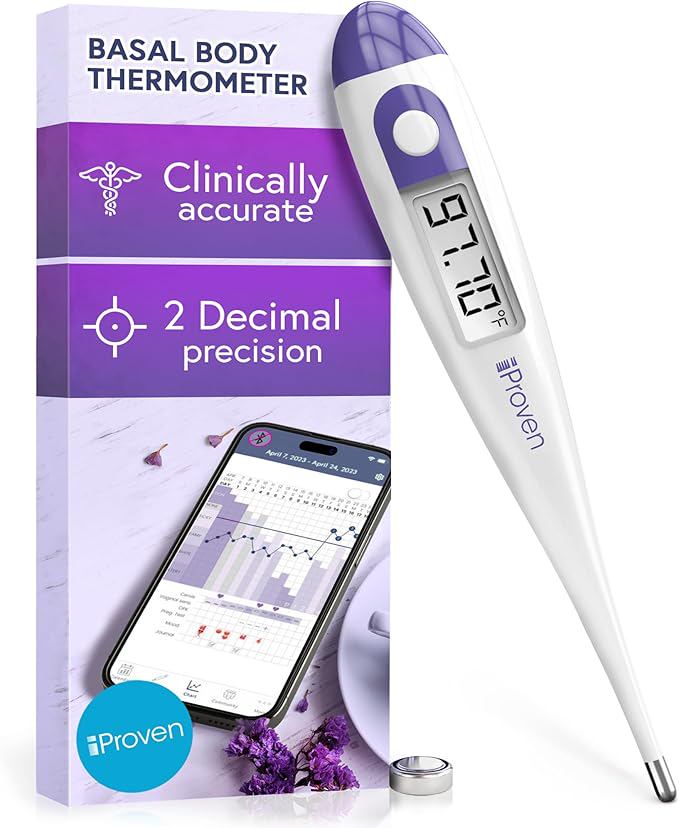
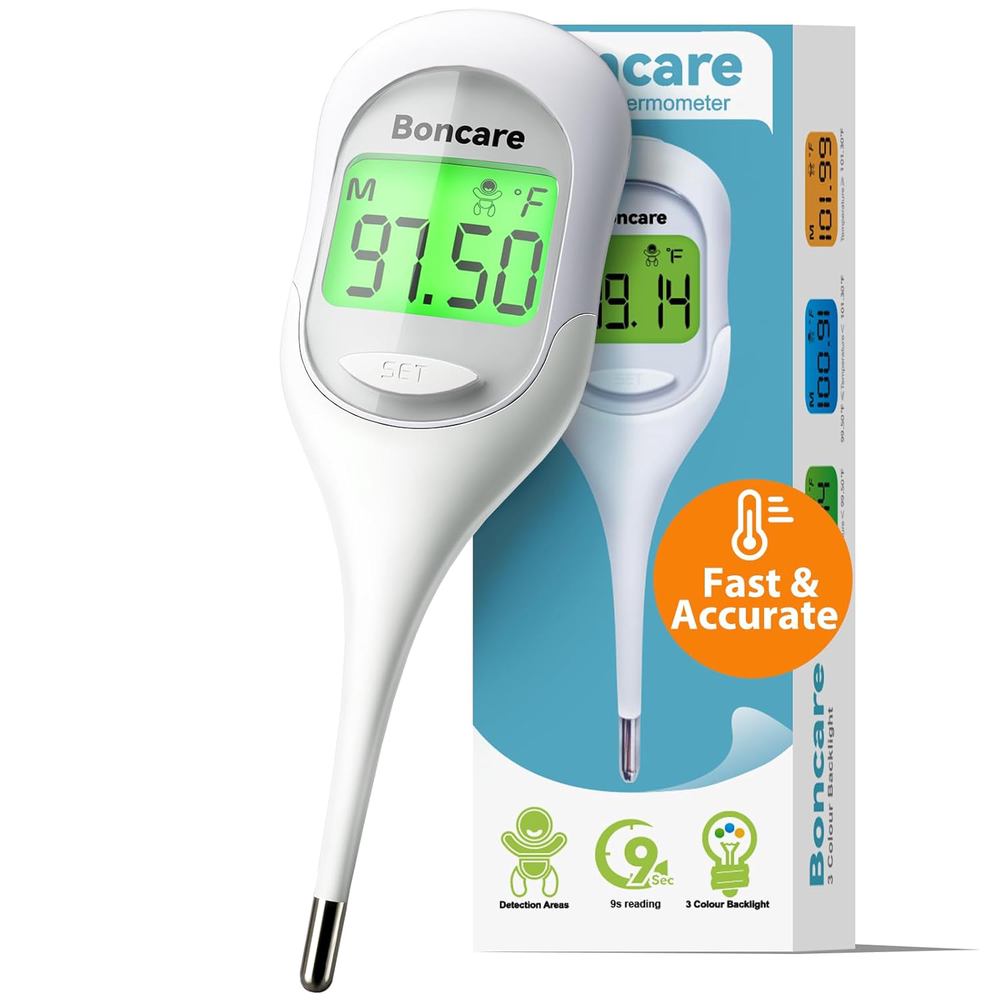
If you are unsure whether your symptoms point to perimenopause or a thyroid issue, experts recommend starting a simple symptom diary for two to three weeks. Write down the time and intensity of any hot flashes or chills, your daily temperature if you have a thermometer, and the pattern of your menstrual bleeding. This record can be invaluable for your healthcare provider.
When you go for a checkup, ask for a full thyroid panel, not just a TSH (thyroid-stimulating hormone) test. A comprehensive panel includes free T4, free T3, and thyroid antibodies, which can catch subtle autoimmune thyroid conditions that a basic test might miss. Meanwhile, your provider can assess your perimenopausal status by reviewing your cycle history and, if needed, checking your FSH (follicle-stimulating hormone) level, though FSH can fluctuate wildly in perimenopause and is not always definitive.
The most important takeaway: do not settle for a guess. Both perimenopause and thyroid disorders are highly treatable once you know what you are dealing with. Getting the right diagnosis can make a dramatic difference in your energy, mood, and overall quality of life.