Your menstrual cycle is often called a "fifth vital sign" for good reason. Irregular cycles — periods that come too often, too far apart, or skip months entirely — can be your body’s way of signaling that something deeper is going on. While the occasional off month is usually nothing to worry about, persistent irregularity deserves attention.
Here are four warning signs your body may be sending through an irregular cycle, and what they could mean for your overall health.
1. You’re skipping periods entirely (amenorrhea)
Missing three or more periods in a row — when you’re not pregnant, breastfeeding, or near menopause — is a red flag. This is called secondary amenorrhea, and it often points to hormonal disruption. Common culprits include polycystic ovary syndrome (PCOS), thyroid disorders, high prolactin levels, or even premature ovarian insufficiency.
Lifestyle factors can also play a role. Low body weight, extreme exercise, or chronic stress can suppress the hypothalamus and halt ovulation. If your period has been MIA for several months, it is worth getting your hormone levels checked by a healthcare provider. Amenorrhea is not just about fertility — low estrogen over time can weaken bones, increasing the risk of osteoporosis.
2. Your cycles are unpredictably short or long
A normal cycle length ranges from 21 to 35 days for most adults. If your cycles vary by more than seven to nine days from one month to the next — say, a 22-day cycle followed by a 38-day cycle — that is considered irregular.
Wide swings in cycle length often stem from anovulation (cycles where you don’t release an egg). Without ovulation, the body doesn’t produce enough progesterone to stabilize the uterine lining, so periods come at erratic intervals. PCOS is a leading cause of anovulatory cycles, but perimenopause (the transition years before menopause) can also create this pattern. For women in their 20s and 30s, chronic anovulation may be linked to insulin resistance or thyroid dysfunction.
3. You’re bleeding very heavily or very lightly
Flow volume matters. Soaking through a pad or tampon every hour for several hours, passing large clots (bigger than a quarter), or needing to change protection overnight can all signal menorrhagia (abnormally heavy bleeding). This is often linked to uterine fibroids, polyps, adenomyosis, or a bleeding disorder such as von Willebrand disease. Hormonal imbalances — especially low progesterone relative to estrogen — can also cause the uterine lining to build up excessively and then shed heavily.
On the flip side, extremely light periods (hypomenorrhea) that last only a day or two with minimal flow could indicate a thin uterine lining from low estrogen, often seen in women who are underweight, over-exercising, or entering premature menopause. Birth control methods like hormonal IUDs or continuous pill use can also cause light bleeding — but that is expected and not a cause for concern.
4. You have severe pain that disrupts your life
Some cramping is normal, but pain that keeps you from work, school, or daily activities is not. Severe menstrual pain — known as dysmenorrhea — can be a sign of endometriosis, where uterine-like tissue grows outside the uterus. Many women with endometriosis have irregular cycles along with debilitating pain, though some experience regular cycles too.
Other causes of severe pain with irregular cycles include pelvic inflammatory disease (PID), ovarian cysts, or adenomyosis. If over-the-counter pain relievers don’t help and you’re missing days of your life each month, talk to a gynecologist. Early diagnosis of conditions like endometriosis can improve quality of life and preserve fertility options.
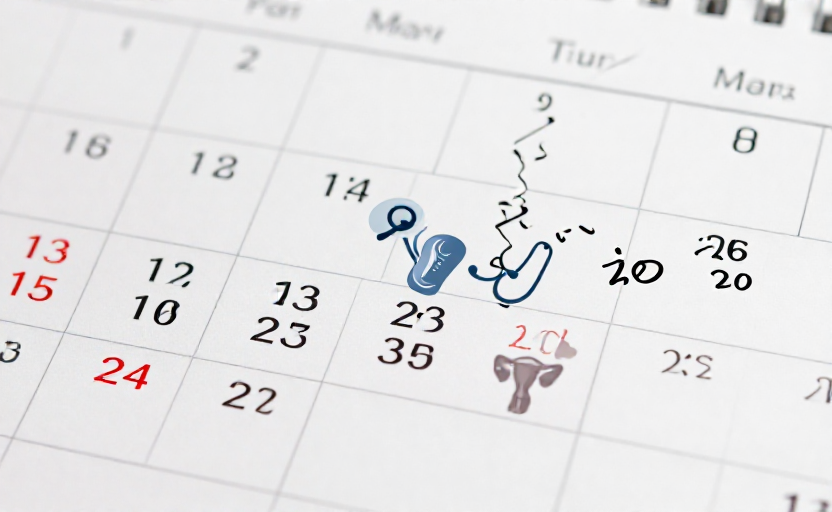
Most cycle irregularities are treatable once the underlying cause is identified. Tracking your cycle with an app or calendar for at least three months gives your doctor concrete data to work with. And remember: stress, travel, sudden weight changes, and illness can all temporarily disrupt your rhythm — but if your cycles are consistently irregular, your body is asking for a closer look.