Heavy menstrual flow can be more than just a monthly inconvenience; it can leave you feeling drained, literally. When blood loss is significant, it can deplete your body's iron stores, potentially leading to fatigue, weakness, and that familiar, foggy-headed feeling. While managing the flow itself is a conversation for your healthcare provider, nourishing your body with iron-rich foods is a powerful, supportive step you can take in your own kitchen. It’s about gently replenishing what’s lost and giving your body the building blocks it needs to feel resilient.
Think of it as a form of self-care that’s as practical as it is nurturing. This isn’t about a restrictive diet or complicated regimens. It’s about weaving smart, delicious, iron-packed choices into your regular meals, especially in the days leading up to and during your period. Let’s explore some simple, satisfying ways to do just that.
Why Iron Matters During a Heavy Period
Iron is a core component of hemoglobin, the protein in your red blood cells that carries oxygen from your lungs to every tissue in your body. When you experience heavy menstrual bleeding (medically known as menorrhagia), you lose more red blood cells than usual. Over time, this can outpace your body’s ability to replace them, potentially leading to iron deficiency or even iron deficiency anemia.
The symptoms—profound tiredness, pale skin, shortness of breath, and dizziness—can significantly impact your daily life. Focusing on dietary iron helps maintain your stores, supporting your energy levels and overall well-being throughout your cycle.
Food-based iron is a foundational support, not a medical treatment. If you suspect your periods are causing significant iron loss, a conversation with a doctor is the essential first step.
Understanding the Two Types of Dietary Iron
Not all iron is absorbed equally by the body. Knowing the difference can help you make more effective food choices.
Heme iron comes from animal sources like red meat, poultry, and fish. Your body absorbs this form much more easily.
Non-heme iron comes from plant sources like lentils, spinach, and fortified cereals. While abundant and crucial, especially in plant-based diets, it’s not as readily absorbed on its own. The good news? You can significantly boost its absorption with a simple trick: pairing it with vitamin C.
Simple, Satisfying Iron-Rich Meal Ideas
Here are some practical ways to incorporate more iron into your meals. Mix and match based on your preferences and dietary needs.
For Breakfast: A Strong Start
Skip the sugary pastry. Instead, try a bowl of fortified oatmeal or cream of wheat cooked with a pinch of cinnamon. Stir in a handful of raisins or dried apricots for extra non-heme iron. The real power move? Top it with a few strawberries or a clementine on the side—the vitamin C will help your body use that plant-based iron.
If you prefer savory mornings, two eggs (a good source of heme iron) scrambled with spinach and diced red bell peppers make a perfect iron-and-vitamin-C combo. A slice of whole-grain toast adds steady energy.
Lunch and Dinner: Hearty and Replenishing
These meals are where you can really pack a nourishing punch.
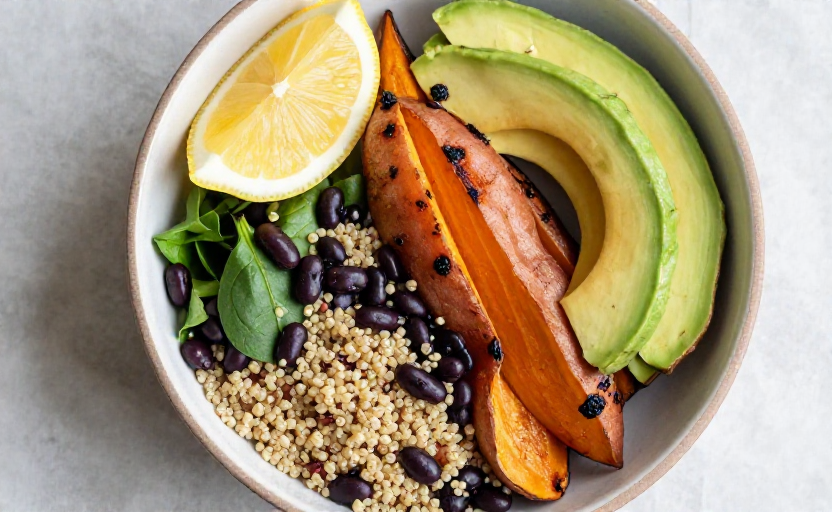
- The Classic Power Bowl: Start with a base of quinoa or brown rice. Add a serving of lentils or chickpeas, a big handful of steamed kale or broccoli, and some roasted sweet potato cubes. Drizzle with a lemon-tahini dressing (the lemon juice provides vitamin C).
- Soup for Sustenance: A hearty lentil soup simmered with tomatoes, carrots, and celery is comforting and iron-rich. The tomatoes contribute vitamin C. Serve with a whole-grain roll.
- Lean & Green Stir-fry: Quickly cook lean beef strips or tofu with broccoli, snap peas, and red bell peppers in a light ginger-soy sauce. The meat offers heme iron, while the veggies provide non-heme iron and vitamin C in one pan.
Smart Snacks and Sides
Keep your energy stable between meals with intentional snacks.
- A small handful of pumpkin seeds or cashews.
- Hummus with red bell pepper strips for dipping.
- A piece of dark chocolate (70% cocoa or higher) with a few orange segments.
- A smoothie made with spinach, mango, and a spoonful of chia seeds.
Maximizing Iron Absorption: The Vitamin C Partnership
This is the most practical tip to remember. Whenever you consume a good source of non-heme iron, try to include a vitamin-C-rich food in the same meal. This simple pairing can improve iron absorption significantly.
Think of combinations like:
- Spinach salad with mandarin orange slices.
- Black bean tacos with a generous squeeze of lime and fresh salsa.
- Fortified cereal with a glass of orange juice or a kiwi on the side.
What to Be Mindful Of
Certain substances can inhibit non-heme iron absorption. It’s not about eliminating them, but about timing. The tannins in coffee and tea and the calcium in dairy supplements or large glasses of milk can interfere if consumed right with an iron-rich meal. Try to have your coffee or tea between meals, and if you take a calcium supplement, space it a few hours apart from your main iron-focused meal.
Nourishing your body with iron-rich foods during a heavy period is a gentle, proactive way to care for yourself. It turns a routine meal into a moment of replenishment. Listen to your body, experiment with these pairings, and remember that consistent, small choices add up to meaningful support. Your plate is a great place to start building that resilience.