
Your thyroid is a small gland with a big job, and iodine is the raw material it relies on most. Without enough of this trace mineral, your thyroid cannot make the hormones needed to regulate metabolism, energy, and even body temperature. For millions of people, a shortage starts quietly, with signs that are easy to dismiss as stress or a bad night's sleep.
Iodine deficiency remains a persistent global health concern, though the reasons vary by region. In parts of the world where soil is depleted of iodine, the condition is more widespread. In countries that iodize table salt, severe deficiency is rare, yet mild shortfalls still occur. Understanding what actually happens when iodine runs low, and which foods truly deliver it, is the first step toward protecting your thyroid health.
How does the body lose iodine balance?
Iodine is not produced by the body, so every microgram must come from food or supplements. Your thyroid gland traps iodine from the bloodstream and uses it to build thyroxine (T4) and triiodothyronine (T3). When you consume too little iodine over weeks or months, blood levels of thyroid hormones drop. In response, the pituitary gland sends more thyroid-stimulating hormone (TSH) to push the thyroid to work harder. That chronic overstimulation can cause the gland to enlarge, forming a goiter — one of the most visible signs of deficiency.
Pregnancy increases demand, making deficiency more dangerous for both the parent and developing baby. Infants and young children are especially vulnerable because thyroid hormones are essential for brain development and growth. Even older children and adults can experience cognitive sluggishness, fatigue, and poor concentration when iodine intake is marginal.
Spotting iodine deficiency beyond a swollen neck
A goiter is the hallmark sign, but it is not the only symptom, and it does not appear in every case. Because thyroid hormones influence virtually every organ system, deficiency can manifest in surprising ways:
- Unexpected weight gain or difficulty losing weight — a sluggish metabolism burns fewer calories, even when diet and activity remain unchanged.
- Constant fatigue and low energy — cells receive less thyroid hormone signaling, so the body runs in a slower gear.
- Dry, flaky skin and brittle nails — thyroid hormones help regulate skin cell turnover and oil production.
- Feeling cold when others are comfortable — reduced metabolic heat production lowers core body temperature tolerance.
- Hair thinning or hair loss — especially noticeable in the outer edges of the eyebrows, a classic low-thyroid pattern.
- Brain fog and poor memory — thyroid hormones support neurotransmitter activity and cognitive processing speed.
Not everyone with these symptoms has an iodine deficiency. Conditions like hypothyroidism from Hashimoto's, iron deficiency, or stress can mimic the same signs. A blood test or urinary iodine measurement is the only reliable way to confirm.
Where iodine naturally appears in food
Conventional wisdom often points to iodized salt as the top source, and it is a reliable one — about half a teaspoon provides roughly half the daily recommended intake for an adult. But making thyroid-friendly food choices goes beyond the salt shaker. Whole foods can deliver meaningful amounts of iodine without relying on processed sodium.
Seaweed: the most potent natural source
Kelp, nori, wakame, and dulse contain high concentrations of iodine because they absorb it from sea water. However, the amount varies wildly by type and harvest location. A single sheet of nori may contain 15 to 30 micrograms, while a teaspoon of dried kelp can pack over 1,000 micrograms — more than six times the daily requirement. Those who enjoy seaweed should approach it like a nutrient-rich ingredient, not a daily free-for-all. Excess iodine can paradoxically suppress thyroid function or trigger inflammation in susceptible individuals.
Fish and shellfish
Ocean fish accumulate iodine from their diet and environment. Cod tops the list with roughly 100 micrograms per three-ounce serving. Salmon, tuna, shrimp, and scallops are also good sources. Canned fish remains convenient and shelf-stable, but check labels — some brands pack fish in brine that may not be iodized, and the rinsing process can reduce iodine content.
Dairy products
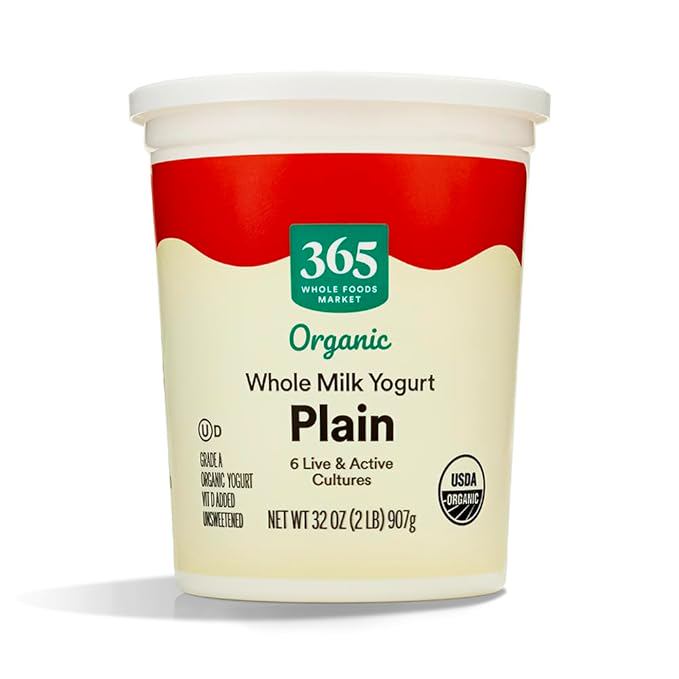
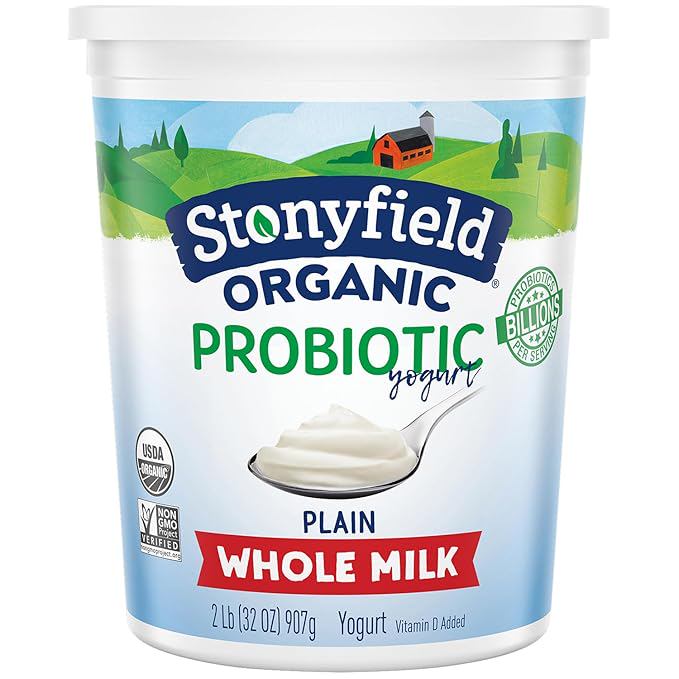
Milk, yogurt, and cheese are among the largest iodine contributors in typical Western diets. The iodine comes from two sources: feed supplements given to dairy cows and iodine-based sanitizers used in milking equipment. One cup of plain yogurt provides about half the daily value for adults. Organic dairy typically has lower iodine levels because organic farming restricts certain feed additives and cleaning compounds.
Eggs
A single large egg provides about 20 to 25 micrograms of iodine, almost all of it in the yolk. Eggs are a flexible option for anyone who avoids seafood or limits dairy, and they pair easily with other iodine-friendly foods in a single meal.
Iodized salt
If your diet leans heavily toward packaged foods, you may be getting far less iodine than you think. Most processed foods use non-iodized salt for cost and taste consistency. Cooking from scratch with iodized salt gives you direct control. Try seasoning pasta water, roasting vegetables with iodized salt, or adding a pinch to homemade salad dressings and marinades.
Supplements: when food alone may not be enough
For some people, changing the diet does not solve the problem. Those with restricted eating patterns (vegan diets without seaweed or dairy, for example), people living in iodine-depleted regions, and individuals with certain gastrointestinal conditions may need a targeted supplement. Prenatal vitamins often contain iodine, which is critical during pregnancy. Standard multivitamins vary — check the label for potassium iodide or potassium iodate.
Healthcare professionals generally recommend keeping total iodine intake between 150 and 290 micrograms per day for adults. Going above 1,100 micrograms daily (the tolerable upper limit) can trigger thyroid dysfunction, especially in people with pre-existing thyroid disease. Self-supplementing high-dose kelp capsules is not advisable without a doctor's guidance.
Common myths that can throw you off track
- "I drink milk, so I'm fine." Dairy iodine depends on farming practices; organic and plant-based milks are not reliable sources.
- "Sea salt is healthier than iodized salt." Most sea salt, pink salt, and gourmet salts provide negligible iodine unless labeled as iodized.
- "Iodine deficiency only happens in developing countries." Mild deficiency still occurs in industrialized nations, particularly among women of reproductive age and people following strict dietary patterns.
Addressing iodine deficiency starts with awareness, not panic. Small, consistent changes — choosing iodized salt at home, adding an egg or a serving of yogurt to your breakfast, including fish in your weekly rotation — can restore balance over time. If symptoms persist or a goiter develops, a healthcare provider can order the right tests and tailor a plan to your specific needs.