Washing your face sounds simple enough—until you have acne-prone skin. Then every cleanse feels like a gamble. Too harsh and you strip your barrier, triggering more breakouts. Too gentle and pore-clogging residue stays put. Getting it right requires a deliberate, gentle routine that respects your skin's delicate balance.
I spoke with board-certified dermatologists to break down the exact steps, products to look for, and common mistakes to avoid when washing acne-prone skin. Here is their step-by-step routine.
Choose a gentle, non-stripping cleanser
The biggest myth in acne care is that you need to blast oil away with strong sulfates or heavy scrubbing. That approach backfires. Harsh cleansers disrupt your skin's moisture barrier, which can increase inflammation and lead to more breakouts.
Instead, look for a foaming or gel cleanser with salicylic acid (beta hydroxy acid) or benzoyl peroxide—two ingredients dermatologists recommend most for acne-prone skin. Salicylic acid is oil-soluble, meaning it can get inside pores to clear out debris. Benzoyl peroxide kills acne-causing bacteria. If your skin is sensitive to either, a simple cleanser with 2% salicylic acid or 2.5% benzoyl peroxide is a good starting point.
Pro tip: Avoid physical scrubs with walnut shells or microbeads. They create micro-tears in the skin that can harbor bacteria and worsen acne.
Wash twice daily—no more, no less
Overwashing is a common issue. Washing more than twice a day strips natural oils and can irritate acne lesions. Underwashing leaves sweat, makeup, and pollution on your skin overnight.
Stick to a morning and evening cleanse. In the morning, you are removing sweat and skincare residue. In the evening, you are taking off sunscreen, makeup, and the day's buildup. If you work out midday, rinse with plain water afterward and follow with your morning routine.
Use lukewarm water and the right technique
Hot water feels nice but damages your skin barrier. Cold water doesn't dissolve oil-based impurities well. Lukewarm water is the sweet spot—comfortable on your face and effective at helping cleansers work.
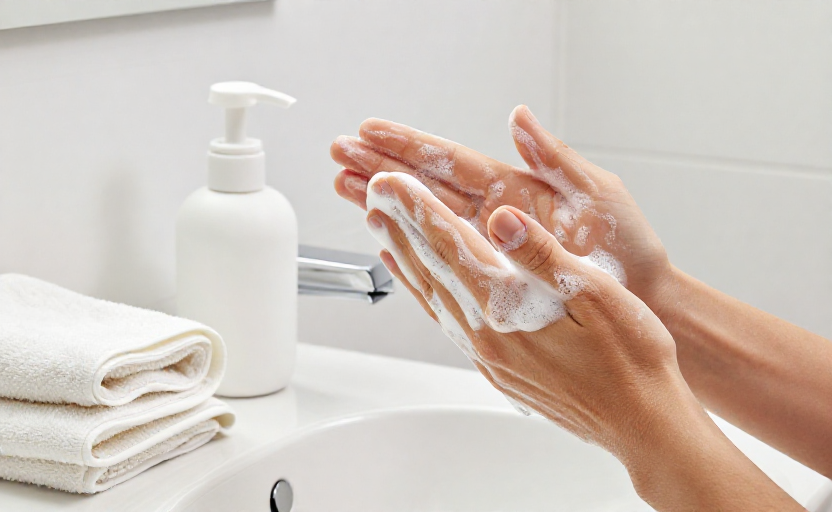
Wet your face first, then apply a pea-sized amount of cleanser to your fingertips. Gently massage it into your skin using small circular motions for about 60 seconds. Do not scrub or press hard. Let the cleanser do the work. Rinse thoroughly with lukewarm water and pat dry with a soft, clean towel—do not rub.
Double cleanse in the evening if you wear makeup or sunscreen
If you wear foundation, tinted sunscreen, or water-resistant SPF, a single cleanse may not remove everything. A double cleanse is your answer. Start with an oil-based cleanser (or micellar water) to dissolve makeup and sunscreen, then follow with your regular water-based acne cleanser.
This two-step method ensures you don't leave pore-clogging residues on your skin without requiring harsh scrubbing.
Moisturize immediately after cleansing
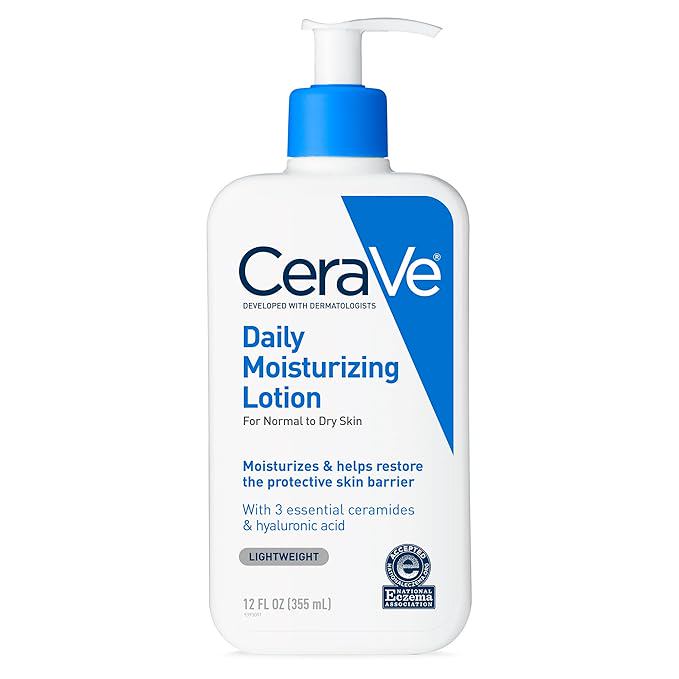
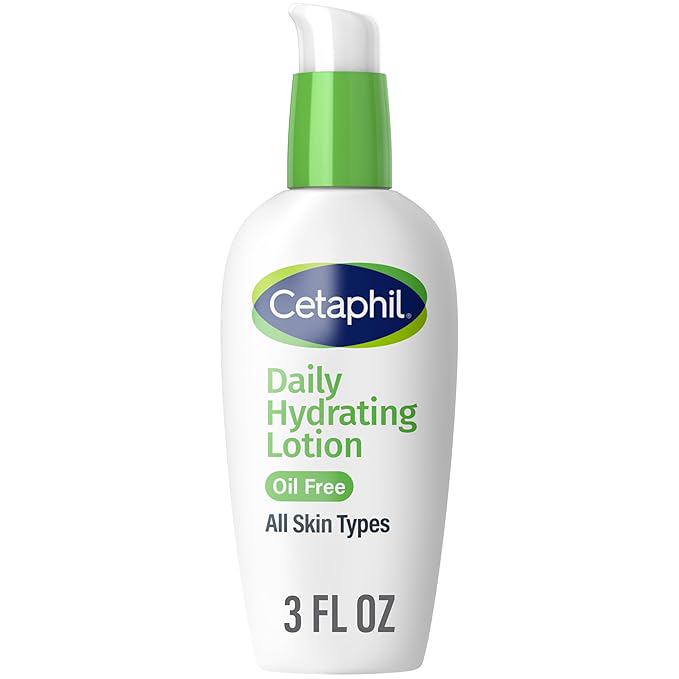
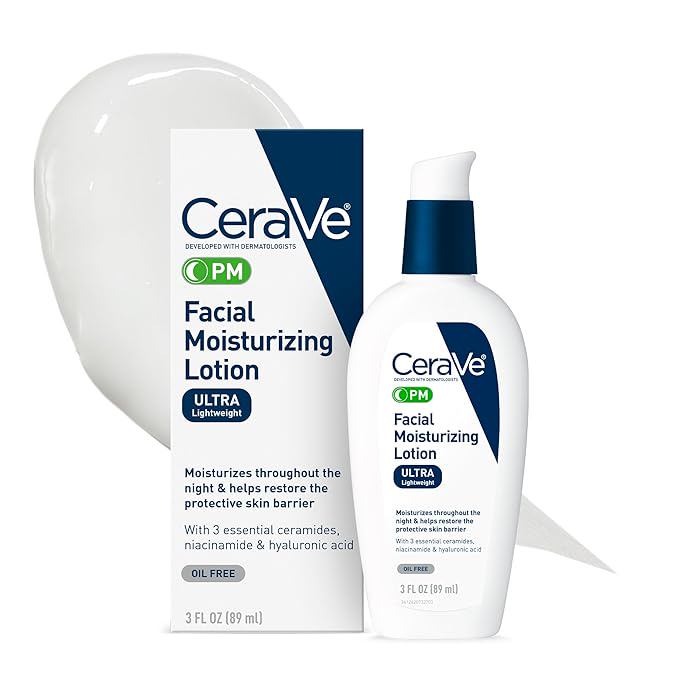
This step is non-negotiable. Many people with acne skip moisturizer because they fear it will cause breakouts. The truth is that dehydrated skin produces more oil to compensate, which can worsen acne. A lightweight, oil-free, non-comedogenic moisturizer restores the barrier and keeps oil production in check.
Apply moisturizer while your skin is still slightly damp—within 60 seconds of patting dry—to lock in hydration.
Key differences between morning and evening routines
Your morning wash should be simpler. Use a gentle cleanser (with or without active ingredients) to refresh your skin. Follow with a non-comedogenic moisturizer and a broad-spectrum sunscreen of at least SPF 30. If you use a leave-on treatment like a retinol or benzoyl peroxide cream, that goes after cleansing but before moisturizer—and strictly at night.
Your evening wash is where you can be more thorough. This is the time for your medicated cleanser, followed by any prescription or over-the-counter treatments your dermatologist has recommended.
Common mistakes that break the routine
- Using a washcloth or sponge: They harbor bacteria and can be too abrasive. Always use clean fingertips.
- Rinsing with hot water: It strips protective oils. Stick to lukewarm.
- Skipping moisturizer: Acne treatments are drying. Moisturizing is part of the treatment, not optional.
- Picking or popping pimples: This introduces bacteria and increases scarring risk.
- Changing products too fast: Give a cleanser at least 4 to 6 weeks before deciding if it works for you.
When to see a dermatologist
If you have been following a consistent routine for three months and see no improvement—or if your acne is painful, cystic, or leaving dark spots—it is time to see a board-certified dermatologist. They can prescribe topical or oral medications that address underlying causes your over-the-counter routine cannot touch.