
Most people think about sun protection only when they are already outside. By then, it is often too late—the exposure has begun, and the routine of reapplying sunscreen feels like an afterthought. A more effective approach starts hours earlier, during the quiet moments of your morning routine. With a few simple adjustments, you can build a system that tracks your daily UV exposure without any extra apps, gadgets, or complicated charts.
The principle is straightforward: use natural cues and deliberate habits to pre-empt your sun contact. You shift from reacting to the sun to anticipating it. This makes a significant difference for skin health, because consistent, moderate protection beats sporadic heavy application every time.
Why morning is the right time to track UV exposure
Your morning routine sets your circadian rhythm. It also sets your skin’s exposure baseline. If you step outside at 8 a.m. without thinking, you have already started your daily UV clock. The key is awareness before that first step out the door.
Instead of relying on your phone’s weather app, you can train your eyes and instincts to read the morning light. When you open your curtains, pause for a moment. Observe the angle of the sun, the length of shadows, and the brightness of the sky. This simple habit primes your brain to estimate UV intensity throughout the day. Over time, you become more attuned to seasonal shifts and midday peaks without needing a meter.
The morning routine adjustments that work
1. Use your first sunlit moment as a cue
The moment you let morning light into your bedroom, your body naturally suppresses melatonin and raises cortisol. That same moment is an ideal trigger to apply your first layer of protection. Keep a broad-spectrum sunscreen or a moisturizer with SPF 30+ next to your alarm clock or phone charger. By linking sun protection to your wake-up ritual, you eliminate the decision fatigue that often leads to skipped application.
A simple habit stack: wake up, open curtains, apply SPF. That is it. No phone required.
2. Adopt a “shadow rule” for your commute
Before you leave for work or a morning walk, glance at your shadow. If it is shorter than you are tall, the UV index is likely high enough to require more than just morning SPF. This visual rule, recommended by the World Health Organization and dermatologists, is one of the most reliable no-tech tracking tools. If your shadow is long, exposure is lower. If it is short, plan for extra protection: a hat, sunglasses, or a long-sleeve layer.
3. Set a morning window for outdoor errands
Adjust your schedule so that sun-sensitive activities—grocery runs, dog walks, morning exercise—fall within the first two hours after sunrise or before the UV index climbs above 3. This structural adjustment acts as a natural tracker. Over time, you learn which errands belong to the low-exposure window and which need midday caution. You are not just tracking exposure; you are designing it.
4. Use your morning coffee or tea as a timing beacon
If you drink a hot beverage in the morning, turn it into a low-tech exposure tracker. The time you finish your coffee becomes your behavioral marker for sun protection. For instance: if you finish coffee at 8:15, that is when you apply your first sunscreen. If you refill at 10:00, that is when you reapply before heading out for a break. Associating protection with a consistent daily anchor improves adherence without mental overhead.
Tracking without a screen
You might wonder if this is as accurate as a UV sensor. In practice, consistency matters more than precision. A person who applies SPF 30 every morning after they open their curtains will have better skin protection over a lifetime than someone who checks UV apps sporadically and applies only on high-index days. The morning routine approach builds a foundation of cumulative protection—the kind that matters most for skin aging and skin cancer risk reduction.
If you prefer extra data, you can still glance at your phone’s UV widget once in the morning. But treat that as a confirmation, not a trigger. The action should be automatic from your routine, not dependent on an alert.
Adjust for different skin types and climates
If you have fair skin that burns easily, you will want to apply sunscreen earlier and reapply more often. If you have darker skin, you may have more natural protection, but you still need daily routine-based tracking to prevent hyperpigmentation and photodamage. In cloudy or overcast climates, do not assume zero exposure. Up to 80 percent of UV rays pass through light cloud cover. Your morning routine should remain unchanged regardless of the forecast.
The role of clothing in your morning routine
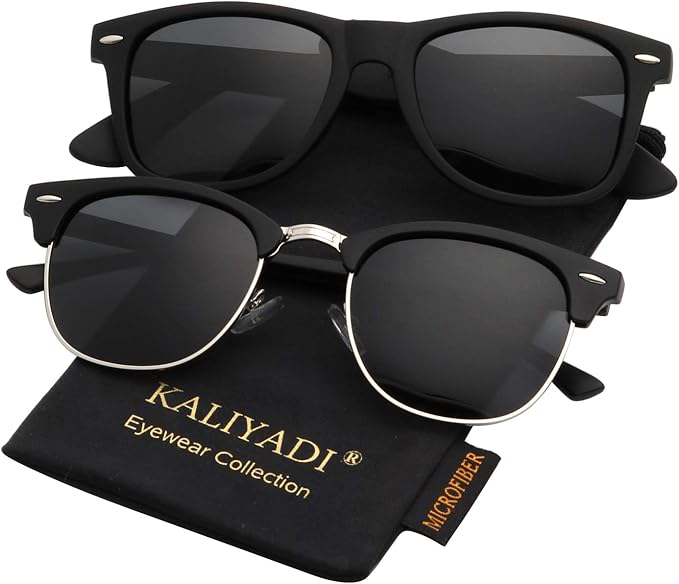
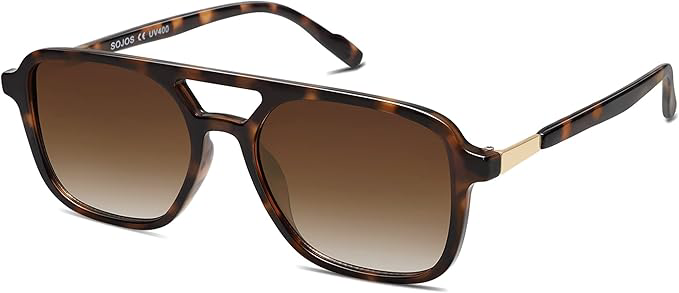
Consider placing your sun-protective items—a wide-brim hat, UV-blocking sunglasses, a lightweight cover-up—near your front door or with your keys. When you dress in the morning, you can mentally pair each item with the day's exposure level. If you will be driving for 30 minutes midday, grab the UPF arm sleeves or a sunshade for your car. This pre-emptive pairing turns dressing into a tracking system.
Monitoring cumulative exposure with simple logs
If you want a slightly more structured method, keep a small dry-erase board or notebook in your bathroom. Each morning, make a quick tally: the time you first went outside, the SPF applied, and whether you saw your shadow rule triggered later. This is not meant for medical precision. It is a visual reminder that builds awareness. Over weeks, patterns emerge—you will notice that your exposure is lower on days you walk the dog before 8 a.m. vs. after 10 a.m. That awareness is the tracker.
When to be more cautious
These morning routine adjustments are designed for everyday living, not extreme conditions. If you plan to spend several hours at a beach, on snow, or at high altitude, you need more aggressive protection and reapplication every two hours. The morning routine acts as your baseline system, not your emergency plan.
The goal is not to obsess over every minute of sunlight. It is to build a quiet, automatic awareness that protects your skin without burdening your day. By making sun exposure tracking part of your morning ritual, you invest in long-term skin health with minimal effort. The best tracker is not a device—it is a habit.