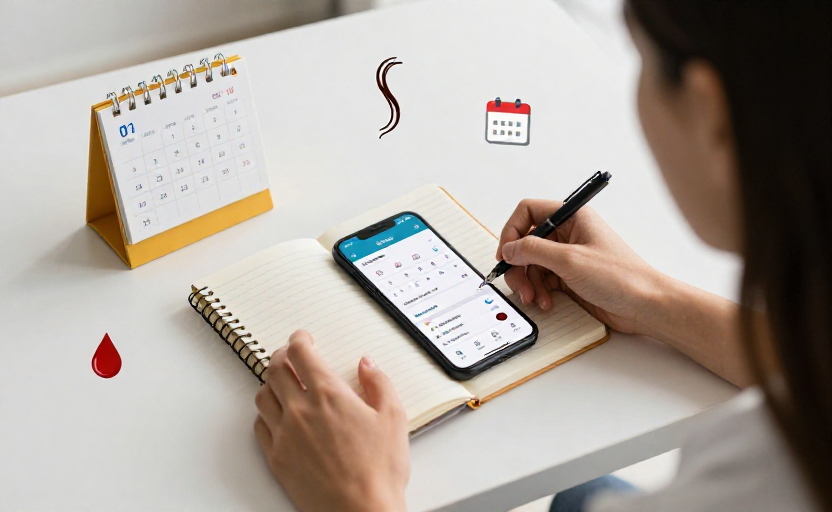
Your menstrual cycle is more than a monthly schedule—it's a window into your overall health. Learning how to track your cycle can help you notice when something is off, from subtle hormone shifts to symptoms that may need medical attention. This practical guide covers what to watch for, how to log your observations, and when a change in your pattern matters.
Tracking doesn't mean obsessing. It means paying gentle attention to what your body does naturally, so you can separate normal variation from possible warning signs.
Why tracking your cycle matters for health
Your cycle reflects the interplay of estrogen, progesterone, and other hormones that influence mood, energy, digestion, skin, and hair. When you track daily or weekly, you create a personal baseline. Anything that deviates from your usual pattern—longer cycles, missing periods, heavy bleeding, or new pain—becomes easier to notice early.
Key warning signs to log in your tracker
Not every change is a red flag, but certain symptoms deserve attention. Record these details each month:
- Cycle length and regularity – Normal cycles range from 21 to 35 days for most adults. A cycle that's consistently shorter, longer, or unpredictable may signal hormonal imbalance, thyroid issues, or other conditions.
- Bleeding pattern – Heavy bleeding (soaking through a pad or tampon every 1–2 hours), bleeding between periods, or periods that last more than 7 days can indicate fibroids, polyps, or endometriosis.
- Pain level – Mild cramps are common. Severe pelvic pain that interferes with daily life or worsens over time should be discussed with a healthcare provider.
- Mood and energy – Extreme mood swings, depression, or fatigue that align with your cycle might be signs of premenstrual dysphoric disorder (PMDD) or other hormone-related conditions.
- Physical changes – Sudden hair loss, severe acne, unusual hair growth on the face or chest, or scalp tenderness can reflect hormone fluctuations or conditions like PCOS.
How to choose a tracking method that works
The best tracker is the one you'll actually use. Options range from simple paper calendars to apps designed for fertility awareness or general health logging. Here are some practical considerations:
- Paper or bullet journal – Private, no notifications, and you control exactly what you record. Good for people who prefer low-tech routines.
- Smartphone apps – Many let you log symptoms, predict ovulation, and export data for appointments. Look for ones that don't share your data without consent (check the privacy policy).
- Wearable devices – Some fitness trackers and smart rings now estimate cycle phases based on skin temperature or heart-rate variability. These can be helpful but are not diagnostic tools.
Whichever method you pick, aim to log at least three things each day: bleeding level (light, medium, heavy), pain rating (0–10), and one or two other symptoms you're watching.
Hair and scalp changes: what your cycle reveals
Hormonal shifts during each phase can affect your hair and scalp in ways that are normal—but extreme changes may be a signal worth following.
Oily hair before or during your period
Rising testosterone around ovulation boosts sebum production. Your scalp may feel greasier, and hair can look flat or sticky. While it's tempting to wash daily, over-washing strips natural oils and may trigger excess rebound oiliness. A gentle dry shampoo or a mild sulfate-free shampoo used two to three times per week often works better.
Scalp tenderness or sensitivity
Prostaglandins—chemicals that increase pain sensitivity—peak just before and during your period. This can make your scalp tender to the touch, especially if you have fine hair or a sensitive skin type. Use a wide-tooth comb or a soft-bristle brush, and avoid tight ponytails or buns during these days.
Temporary hair shedding
Estrogen levels drop sharply at the start of your period. Since estrogen helps keep hair in the growing phase, a sudden dip can push more hairs than usual into the shedding phase. This is normal and temporary. If you notice thinning that persists beyond a few days after your period ends, or if you see bald patches, check with a dermatologist or gynecologist.
Reminder: Occasional shedding during menstruation is typical. But heavy bleeding that lasts several days, combined with noticeable hair loss, could point to low iron stores. A simple blood test can confirm whether supplementation is needed.
When to see a doctor about cycle changes
Tracking gives you confidence to know when something warrants a professional opinion. Consider making an appointment if you experience any of the following:
- Your cycle is consistently shorter than 21 days or longer than 35 days
- You bleed through pads or tampons in under two hours
- You pass clots larger than a quarter
- You have severe pain that doesn't respond to over-the-counter relief
- You miss three or more periods in a row (and are not pregnant or on hormonal contraception)
- You develop new facial hair, worsening acne, or hair thinning on your scalp
Bring your tracking log to the appointment. Even a few months of notes can help your provider spot patterns faster.
Practical tips for sustainable tracking
- Pick one consistent time of day to log (morning or bedtime).
- Log even on days when nothing seems different—that data matters.
- Review your log once a month to notice trends.
- Share your log with your healthcare provider if symptoms change.
Tracking your cycle is a form of self-care, not clinical work. It lets you recognize your body's normal rhythm and catch small signals before they become bigger concerns. With a few minutes each day, you build a clear picture of what healthy looks like for you—and you'll know exactly when to ask for help.