
Swollen ankles are one of those bodily changes that can feel unsettling, especially during pregnancy. You look down at the end of a long day and your ankles have seemingly disappeared into your feet—or you press a finger into your shin and a dimple lingers for a few seconds. In many cases, this is just fluid redistribution, gravity doing its work after you’ve been on your feet. But there are moments when swelling points to something more serious. Learning the difference can help you stay calm and know when to call your provider.
Let’s walk through what’s typical, what’s not, and the specific signs that warrant a conversation with a healthcare professional.
What Causes Swollen Ankles in Everyday Life?
Mild to moderate swelling in the lower legs is incredibly common, especially in the third trimester of pregnancy, after a long flight, or during a heatwave. The medical term is peripheral edema—an accumulation of fluid in the tissues. Your body produces about 50% more blood and body fluids when you’re pregnant, and the growing uterus puts pressure on the inferior vena cava (the large vein that returns blood from your lower body to your heart). This combination slows circulation and encourages fluid to pool in your ankles and feet.
Other non-worrisome triggers include:
- Sitting or standing for extended periods—the “desk edema” many of us know well.
- Eating a meal high in sodium, which causes your body to hold onto water.
- Hot weather, because blood vessels dilate and fluid shifts into tissues.
- Wearing tight socks or crossing your legs—minor mechanical reasons that resolve quickly.
Normal swelling tends to be bilateral (both ankles), develops gradually, and improves when you elevate your legs, walk around, or sleep on your left side (which relieves pressure on the vena cava). It is usually painless or only mildly uncomfortable.
How to Spot Normal vs. Concerning Swelling
A simple self-check can help you gauge what is happening. Ask yourself these three questions:
1. Is it only one leg or both?
Bilateral, symmetric swelling is typical. Swelling in just one leg—especially if it comes on suddenly—raises the possibility of a deep vein thrombosis (DVT), a blood clot in the deep veins of the leg. A DVT can also cause warmth, redness, and a pulling or cramping sensation. This is a medical emergency.
2. Does it go away with rest?
If elevating your feet for 30–60 minutes consistently reduces the swelling, that is reassuring. Swelling that remains unchanged after a night’s sleep—or worsens overnight—is a red flag.
3. Are there other symptoms?
Swelling accompanied by shortness of breath, chest pain, a persistent cough, or frothy urine suggests fluid overload that may involve your heart or kidneys. If you are pregnant and notice sudden swelling in your face, hands, or around your eyes—combined with a headache, vision changes, or upper abdominal pain—this could be preeclampsia, a serious blood-pressure condition requiring immediate care.
A good rule of thumb: if swelling appears suddenly, is painful, or comes with breathing trouble, seek medical attention right away.
Specific Warning Signs You Should Not Ignore
While the list of possible causes is long, four key scenarios demand a prompt call to your doctor or midwife:
- Pitting edema that is new or severe. Press your finger into the swollen area for a few seconds. If an indentation remains and your skin feels tight or shiny, this indicates significant fluid retention.
- Swelling that is asymmetric. One calf or ankle that looks markedly larger, feels warm, or is tender—especially if you have been sedentary (e.g., long car ride, bed rest).
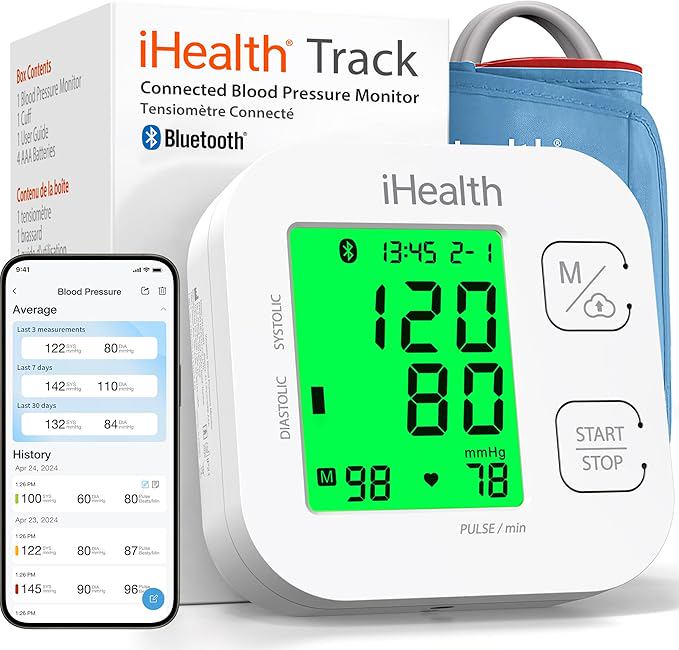
- Swelling accompanied by high blood pressure or protein in your urine. These are hallmarks of preeclampsia after 20 weeks of pregnancy.
- Leg swelling with systemic signs. Fatigue, shortness of breath when lying flat, rapid weight gain (more than 2–3 pounds in a week, or 5 pounds in a month), or decreased urine output.
If you have a history of heart failure, chronic kidney disease, or liver cirrhosis, any new or worsening leg swelling should be discussed with your healthcare team as soon as possible.
When to Call Your Provider
It is always better to call and be reassured than to worry at home. Most providers appreciate hearing from you. Contact your doctor or midwife if:
- The swelling came on suddenly (over hours, not days).
- Swelling is only in one leg.
- You have a fever or the swollen area feels hot.
- You are short of breath, especially when lying down.
- You are dizzy, have chest discomfort, or cough up blood.
- You are pregnant and have a headache, blurred vision, nausea, or right-side upper belly pain.
- You have gained weight rapidly without obvious reason.
If you are unsure, describing your symptoms over the phone can help a triage nurse decide if you need to come in. For any sign of a DVT or preeclampsia, go to the emergency department.
Simple Ways to Manage Normal Swelling
For the everyday, harmless kind of swollen ankles, a few gentle measures can make a difference:
- Elevate your legs above the level of your heart when sitting or lying down—use a few pillows under your feet.
- Move every hour if you have a desk job; walk, stretch, or flex your ankles.
- Sleep on your left side during pregnancy to improve blood return from the lower body.
- Reduce sodium by avoiding processed snacks, fast food, and adding less salt at the table.
- Stay hydrated—it sounds counterintuitive, but drinking water helps your kidneys flush excess sodium.
- Wear comfortable, supportive shoes and avoid tight bands around your calves.
- Compression stockings can help, but check with your provider before using them (especially if you have circulation issues or diabetes).
Swollen ankles are almost always a temporary, manageable condition. By tuning into the details—whether it is symmetrical, how quickly it appeared, and what else your body is telling you—you can confidently tell the difference between a normal shift in fluids and a signal that needs attention. Listen to your body, ask questions, and trust your instincts.