Swollen ankles and feet are so common in pregnancy that many women dismiss them as just part of the package. And often, that's true. A little puffiness at the end of the day, especially in the third trimester, is usually normal thanks to extra fluid and a growing uterus pressing on your veins. But here’s the catch: not all swelling is harmless. Sometimes, it’s one of the earliest whispers of preeclampsia—a serious condition that affects blood pressure and organ function.
Preeclampsia is more than swelling or high blood pressure alone. It’s a complex pregnancy complication that can sneak up even if you’ve had perfectly normal checkups. The trick is knowing which changes in your body deserve a call to your midwife or doctor. Let’s walk through four warning signs that separate everyday swelling from something that needs attention.
1. Swelling That Suddenly Gets Worse
Normal pregnancy swelling tends to build gradually and is often worse in the evening or after standing. You might notice your rings feel snugger or your shoes are tighter by dinner time. That’s typical. What’s not typical is waking up with fingers that feel like sausages or having your face look puffy in the mirror—especially if that change happened overnight or over just a couple of days.
Rapid-onset, dramatic swelling in your hands, face, or around your eyes is a classic red flag. This kind of fluid retention, called edema, can signal that your kidneys are struggling. In preeclampsia, the kidneys may start leaking protein into urine, and that shifts fluid balance in your body. If your partner comments on how swollen your face looks, take it seriously.
Quick check: If you press gently on a swollen area and a dent stays for a few seconds (called pitting edema), and this is new or severe, mention it to your provider.
2. A Headache That Won’t Quit
Headaches happen in pregnancy for a hundred reasons—lack of sleep, hormonal shifts, dehydration. But a preeclampsia headache is different. It tends to be persistent, throbbing, and doesn’t respond well to typical remedies like rest or acetaminophen. It might feel like a migraine without visual changes, and it can last for days.
If you find yourself reaching for pain relief constantly or waking up with a pounding head, don’t brush it off. This kind of headache often accompanies rising blood pressure and signals that your nervous system is under stress. Combine it with swelling, and the concern goes up.
3. Changes in Your Vision
Vision changes can be subtle or startling. You might see flashing lights, spots (floaters), blurry vision, or temporary blind spots. Some women describe it like looking through a camera lens that’s out of focus. Others see stars or wavy lines.
These visual disturbances happen because high blood pressure affects the small blood vessels in your retina. This is a serious sign that preeclampsia is affecting your brain and eyesight. If any vision change occurs—even briefly—call your healthcare provider immediately. Waiting to see if it passes is not worth the risk.
4. A Nagging Pain in Your Upper Belly
Pain under your ribs on the right side, or a gnawing ache in your upper abdomen, is an often-missed sign. Many women assume it’s just heartburn, round ligament pain, or the baby pushing up. But when this pain comes with swelling and high blood pressure, it can mean your liver is under strain from preeclampsia.
Sometimes it’s accompanied by nausea, vomiting, or feeling like you just can’t get comfortable. If you have tenderness in your upper right belly that doesn’t feel like normal indigestion, especially in the second half of pregnancy, get it checked out.
When to Call Your Provider
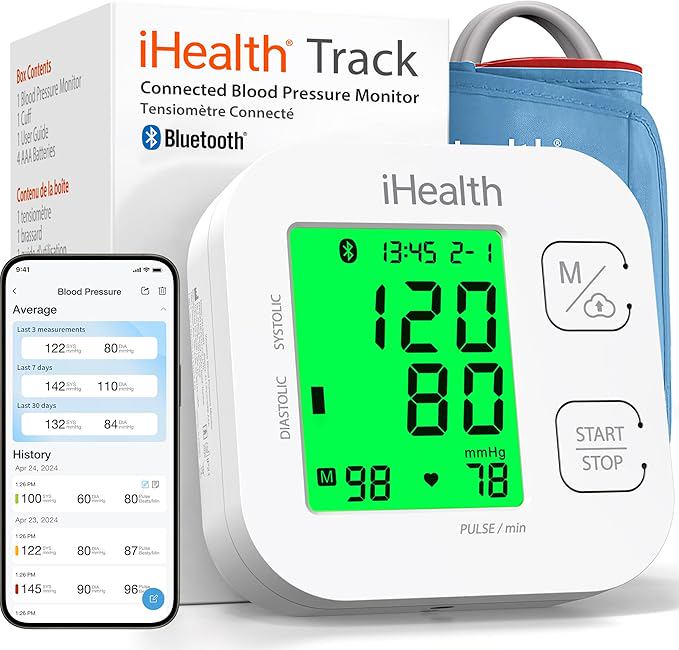
You don’t need to panic over every ounce of puffiness. But if your swelling is sudden, severe, and paired with any of the other signs above—headache, vision changes, or upper abdominal pain—it’s time to pick up the phone. Another clue is if your blood pressure reading, even at home, starts climbing above 140/90.
Preeclampsia usually appears after 20 weeks, but it can sometimes show up earlier or even postpartum. The good news is that early detection makes a huge difference. Your provider can check your blood pressure, run a urine test for protein, and do blood work to assess your liver and kidneys. The only cure is delivering the baby, but many women are managed safely until it’s time.
Trust yourself. If something feels off, say so. You’re not being dramatic—you’re being an advocate for you and your baby.