Breakouts that cluster around your jawline or chin just before your period starts can feel like an unwelcome monthly ritual. For many women, this is simply a cosmetic nuisance. But what if those angry red bumps are trying to tell you something more? Understanding the difference between standard hormonal acne and acne that signals an underlying endocrine condition can help you decide when to treat it yourself and when to ask for help.
Period acne is incredibly common. Fluctuations in estrogen and progesterone during the menstrual cycle can increase sebum production and clog pores. For most people, the breakouts arrive a few days before bleeding and clear up once their period is underway. But if your acne is severe, persistent, or accompanied by other symptoms, it may be a red flag for a deeper hormone imbalance such as polycystic ovary syndrome (PCOS), adrenal disorders, or insulin resistance.
What normal period acne looks like
Typical menstrual acne follows a predictable pattern. You might notice a few inflammatory pimples—papules, pustules, or the occasional cyst—appearing on the lower third of your face about a week before your period. The lesions usually resolve within a few days after menstruation begins. This type of acne is driven by the natural rise in progesterone during the luteal phase, which thickens the skin and increases oil production.
With standard cyclical acne, the rest of your month is relatively clear. Your skin care routine and over-the-counter products containing salicylic acid or benzoyl peroxide often keep things manageable. You don’t have other concerning symptoms like irregular periods, excessive hair growth, or unexplained weight gain.
A good rule of thumb: if your acne follows your calendar and doesn’t linger, it’s likely just your cycle doing its thing.
Signs that your acne might be more than just PMS
When acne becomes a constant companion rather than a monthly guest, it’s worth investigating. Here are the key differences that suggest a deeper issue:
- Location and severity: Deep, painful cysts along the jawline, chin, and neck that don’t respond to typical treatments are a classic sign of elevated androgens. PCOS-related acne often appears here and can be stubborn.
- Timing: If breakouts happen any time of the month—not just premenstrually—your hormones may be out of balance year-round.
- Response to treatment: Over-the-counter acne products that used to work stop working. You might even develop acne in areas that were previously clear, like your back or chest.
- Associated symptoms: Acne that comes with irregular periods, facial hair growth, thinning scalp hair, dark patches on the skin (acanthosis nigricans), or rapid weight changes deserves a closer look.
Conditions that can cause deep period acne
Polycystic ovary syndrome is the most common underlying cause of persistent hormonal acne. In PCOS, the ovaries produce excess androgens like testosterone, which stimulate oil glands and lead to breakouts. But PCOS isn’t the only possibility. Late-onset congenital adrenal hyperplasia, hyperprolactinemia, and thyroid disorders can also trigger acne that mimics period-related breakouts. Insulin resistance, which often goes hand in hand with PCOS, can worsen acne by promoting inflammation and altering skin cell turnover.
If you have any of the additional symptoms listed above, it is wise to speak with a healthcare provider. A simple blood test measuring free testosterone, DHEA-S, LH-to-FSH ratio, and prolactin can help identify the root cause. A pelvic ultrasound may also be ordered to check for ovarian cysts.
What you can do now
Before jumping to the worst case scenario, try tracking your symptoms for two to three cycles. Write down where your breakouts appear, their severity, and how long they last. Also note any other symptoms like fatigue, mood changes, menstrual irregularity, or digestive issues. Sharing this log with a dermatologist or gynecologist can make your appointment more productive.
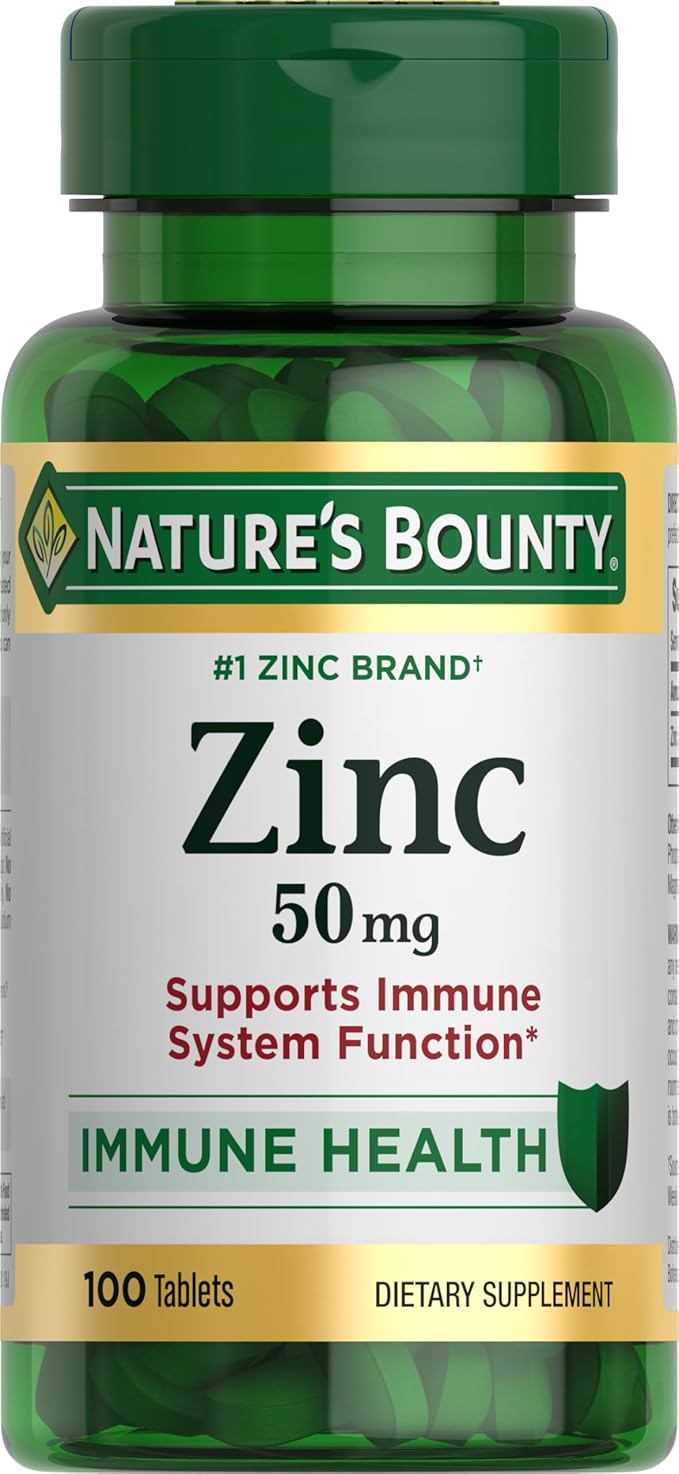
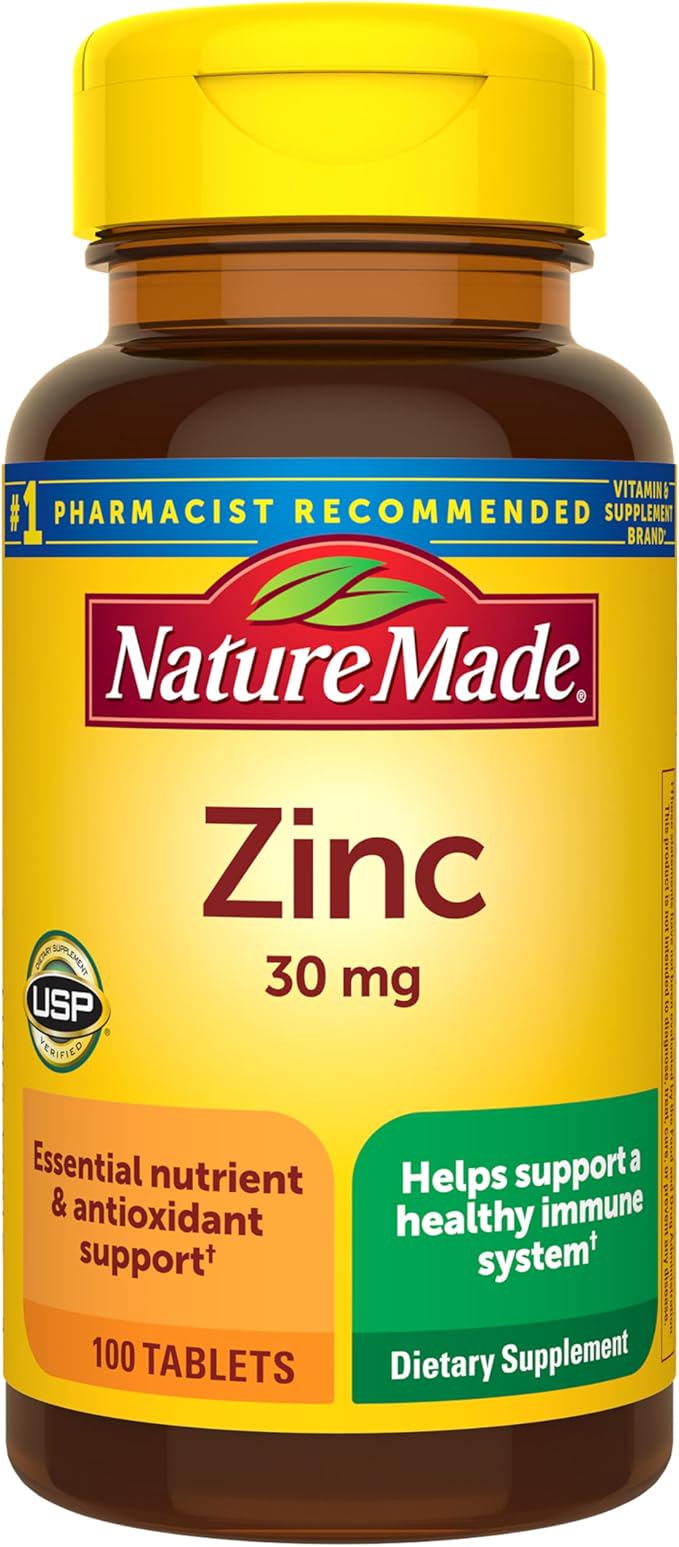
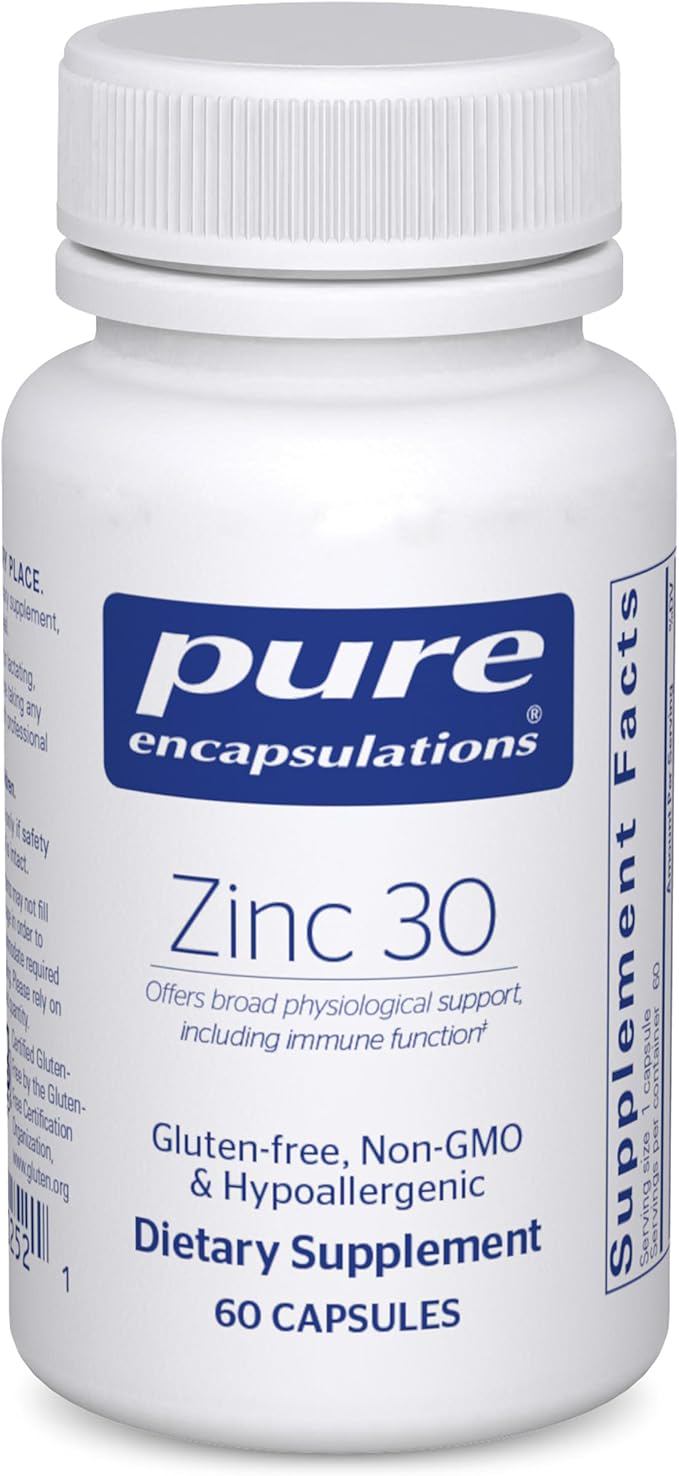
Lifestyle adjustments often help manage mild hormone-related acne. A diet with a lower glycemic load—fewer refined sugars and processed carbs—can reduce insulin spikes that trigger androgen production. Regular exercise, stress management, and enough sleep also support hormone balance. Some women find relief with supplements like spearmint tea (which may lower free testosterone) or zinc, but always check with your doctor before starting new supplements.
If your acne is truly a warning sign, treating the underlying hormone imbalance will likely clear your skin more effectively than any topical cream. Birth control pills, spironolactone, and metformin are common medical options for hormone-driven acne, but only a healthcare professional can determine what is safe and appropriate for you.
When to see a doctor
You should make an appointment if your period acne is severe, painful, or leaving scars. Also seek help if you have fewer than eight periods a year, you’re trying to conceive and experiencing acne, or you notice male-pattern hair growth. Acne that suddenly worsens in your twenties or thirties after having clear skin in your teens can also be a sign of a new hormonal shift.
Your period does not have to be a monthly battle with breakouts. Paying attention to the bigger picture—your cycle, your skin’s behavior, and other physical changes—can help you distinguish between a temporary nuisance and a message worth listening to.