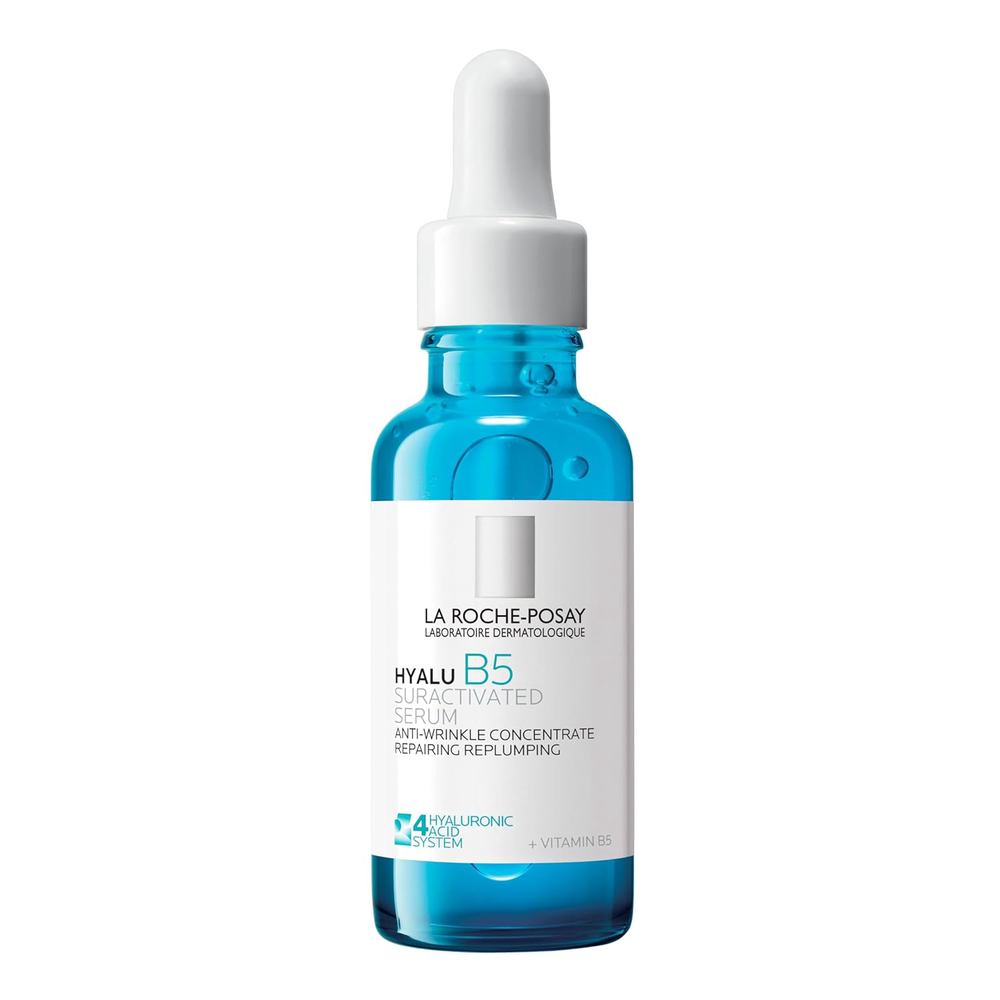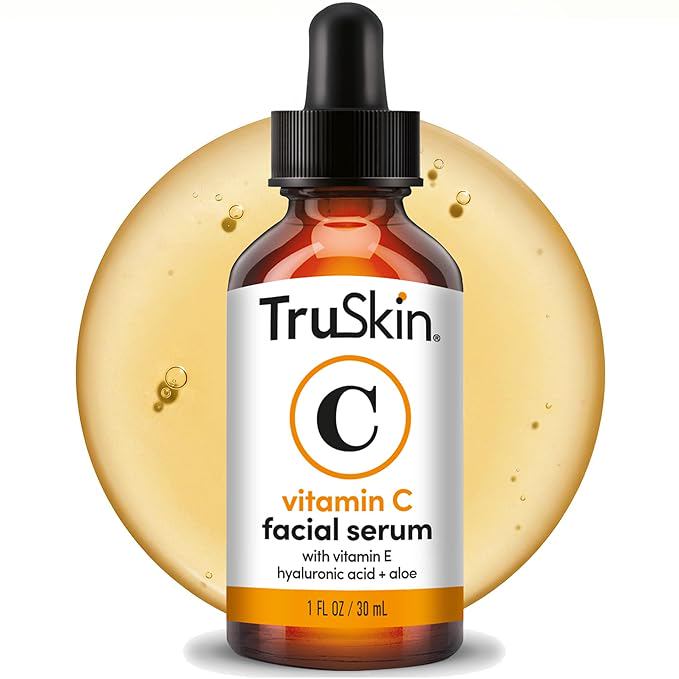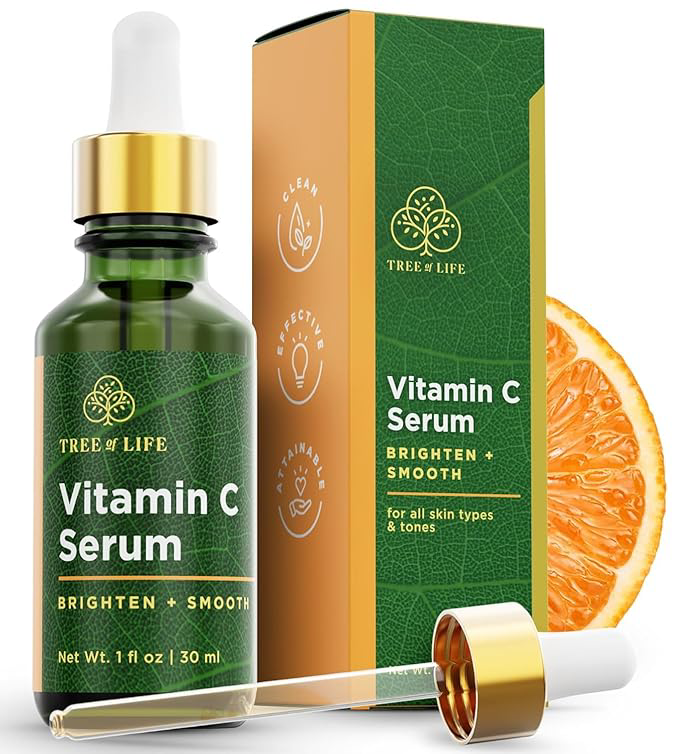
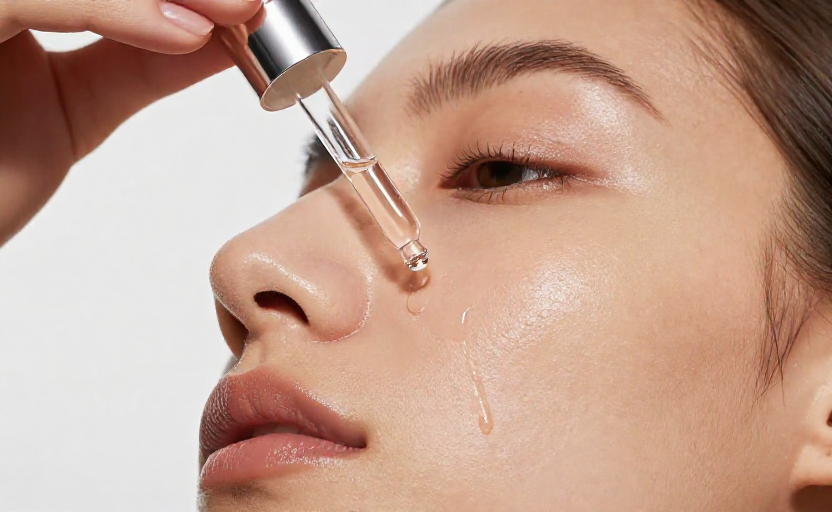
You’ve been diligent. Every morning, a few drops of antioxidant serum go on your skin before anything else. But weeks have passed, and the mirror isn’t exactly shouting with joy. It can be hard to tell if a serum that fights invisible damage is actually earning its keep. The good news is that your skin does send signals—quiet, gradual ones that speak louder than a bottle label.
Here are three visible signs that your antioxidant serum is doing exactly what it should, plus what to look for if it isn't.
Your skin tone looks more even
An effective antioxidant serum—typically containing vitamin C, ferulic acid, or vitamin E—works to neutralize free radicals from UV exposure and pollution. Over time, this protection curbs the production of excess melanin. The first telltale sign is less blotchiness. You might notice that post-inflammatory marks from a breakout fade faster, or that the redness around your nose and cheeks has calmed down.
Look closely at your chin and apple of the cheek in natural light. If the patches of uneven color are less defined, the serum is doing its job. Many people spot this shift around week four of consistent use. It won’t happen overnight—true brightening is gradual—but if the overall tone is lifting, you’re on the right track.
Consistency is everything with antioxidants. They don’t erase damage overnight, but they prevent new discoloration from settling in.
Your skin looks “bouncier” and more hydrated
This one often surprises people. The main job of an antioxidant is defense, but many formulas include humectants like hyaluronic acid or glycerin to improve texture. When combined with the protection against collagen breakdown, you get a subtle plumping effect. The skin feels firmer to the touch, and fine lines around the eyes and forehead look softer—not erased, but less etched.
Try this simple check: after cleansing and applying your serum in the evening, wait five minutes. If your skin feels comfortable—not tight—and has a slight spring when you press a finger against your cheek, that’s a sign the serum is supporting your barrier. When the barrier is intact, moisture stays in, and the skin reflects light more evenly.
- Crow’s-feet less pronounced. If lines that used to be visible at rest are now only visible when you smile, the antioxidant matrix is preserving collagen.
- Morning skin looks “plumped.” A well-hydrated stratum corneum gives that glowy, dewy look that seems to come from within.
A reduction in “random” breakouts and irritation
Free radicals trigger inflammation—and inflammation is a common precursor to congested pores and angry red bumps. A good antioxidant serum, especially one with niacinamide or green tea extract, acts like a fire extinguisher for micro-inflammations. You should see fewer of those spontaneous chin pimples that appear the day after a poor night’s sleep.
Signs of progress include: less morning puffiness, a calmer jawline, and skin that tolerates other products (like retinol or exfoliating acids) without stinging. This is particularly relevant if you live in a city or spend time in air-conditioned offices; your skin is constantly under stress, and the serum is absorbing the first wave of that assault.
If you have rosacea or general sensitivity, see if your base color is less flushed. Many antioxidant serums are designed to soothe as much as they protect. If your complexion has gone from pinkish-beige to a more neutral beige, that’s a victory.
What if you don’t see any of these signs?
Give it at least eight weeks with daily use. If nothing has changed, check the packaging: antioxidants degrade quickly. If your serum has turned dark (for vitamin C) or smells like hot dog water, it’s oxidized and ineffective. Also, ensure you’re applying it to clean, dry skin before moisturizer, and storing it in a cool, dark place. Some people also need a higher concentration—look for formulas with L-ascorbic acid around 10–20% if your current product is not showing results.
If the product feels sticky, pills under makeup, or causes breakouts, the vehicle or base oils may not be right for your skin type. An oilier skin might do better with a water-based gel serum, while dry skin needs a creamy formula.
Patience is part of the process
Antioxidant serums are not spot treatments. They work silently beneath the surface, tipping the balance toward repair rather than damage. The changes are incremental—like noticing that your foundation shade matches better at the end of the month, or that your skin looks rested even when you’re not. If you see even one of the three signs above, you’ve found a keeper.