Starting a retinoid can feel like a high-stakes experiment. You've heard the warnings—dryness, peeling, redness—and you know that a good moisturizer is supposed to help. But how exactly do you put them on together? Wrong order might mean irritation; right order might mean glowing skin. Let's cut through the confusion.
This guide is for the person who just bought their first retinoid product (or is thinking about it) and wants a clear, step-by-step method for layering it with moisturizer. There is no one-size-fits-all secret, but there are reliable strategies that dermatologists and experienced users agree on. Here's what actually works.
Why the Order Matters
Retinoids work by speeding up skin cell turnover and stimulating collagen. That's great for anti-aging and acne, but it also makes skin more vulnerable, especially when you are first starting out. A moisturizer's job is to support the skin barrier and reduce that vulnerability. If you apply them in the wrong sequence—or skip the moisturizer entirely—you can end up with a compromised barrier that stings, flakes, and feels tight. The goal is to get the retinoid where it needs to go without stripping your skin of its protective lipids.
The Gold Standard: The Sandwich Method
The most widely recommended technique for beginners is often called the "retinoid sandwich." It sounds more complicated than it is. You simply apply moisturizer, then retinoid, then another layer of moisturizer. The concept is straightforward: the first layer of moisturizer acts as a buffer, reducing the direct contact your skin has with the retinoid. The top layer seals everything in and provides ongoing hydration through the night.
Step-by-Step: How to Do the Sandwich
- Cleanse your face with a gentle, non-stripping cleanser. Pat dry with a soft towel and wait for your skin to feel completely dry—usually about 15–20 minutes. Applying retinoid to damp skin increases absorption and irritation risk.
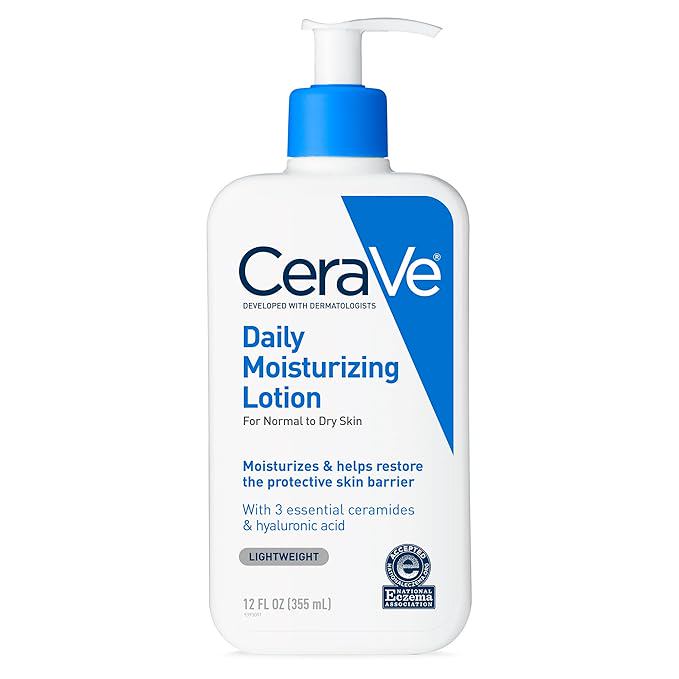
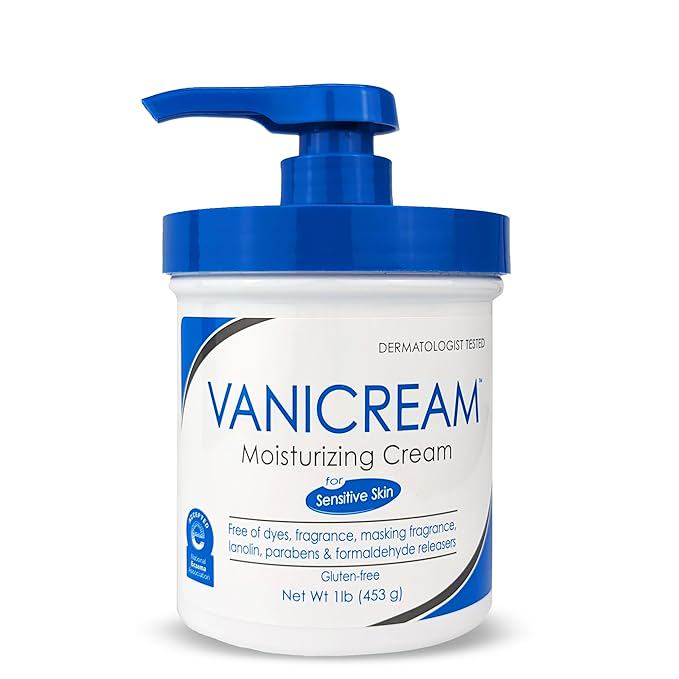
- Apply a pea-sized amount of moisturizer all over your face and neck. Keep it simple; look for a moisturizer without active ingredients like AHAs, BHAs, or vitamin C, which can interfere with the retinoid. A basic ceramide or glycerin-based formula works perfectly.
- Wait 10–15 minutes for the first moisturizer layer to fully absorb. Your skin should feel hydrated but not greasy or tacky.
- Apply a pea-sized amount of retinoid (no more than that) over the moisturizer. Use gentle, upward strokes. Avoid the delicate eye area, the corners of your nose, and your lips unless a product is specifically formulated for those zones.
- Wait another 5–10 minutes, then apply a second, thin layer of moisturizer on top. This locks in your retinoid without diluting it too much.
Alternative Methods for Different Skin Types
The sandwich method is the safest entry point, but not everyone sticks with it forever. As your skin builds tolerance—usually after a few weeks—you may want to try a different approach.
Retinoid First, Then Moisturizer
Some people prefer applying retinoid directly to clean, dry skin, followed by a single layer of moisturizer. This works best for those with naturally oily or combination skin that can handle a stronger effect. The risk is higher irritation, so it's best to test this only after you've used retinoids consistently for a month or more.
Moisturizer First, Then Retinoid
This is essentially the first half of the sandwich. It's a gentle approach that some users find simpler than the full two-layer method. If you have sensitive or dry skin, this option still offers significant buffering, though it may leave your skin slightly less hydrated by morning than the fully sandwiched version.
There is no inherently wrong way among these three, as long as you are paying attention to your skin's response. Irritation is feedback, not failure. If your skin feels tight or starts flaking beyond a light, manageable amount, dial back the frequency or switch back to the sandwich method for a few weeks.
How Often Should You Apply Retinoid?
Frequency matters as much as order. Beginners should start with once or twice a week, not every night. The initial adjustment period—sometimes called retinization—can last two to six weeks. During that time, your skin is adapting to the accelerated cell turnover. Applying every other night too soon can backfire and force you to stop completely.
The slow approach wins the race: Use retinoid only every third night for the first two weeks. If your skin tolerates that well, move to every other night for two weeks. Only after a full month of consistent, non-irritating use should you try nightly application.
What About Frequency When It's Sandwich-Layered?
Even when using the sandwich method, you still need to start slowly. The buffering effect reduces irritation but does not eliminate the biological process that causes flaking and sensitivity. Stick to the same slow schedule: every third night, then every other, then nightly—as your skin decides, not as your calendar dictates.
Can You Mix Retinoid Directly Into Moisturizer?
A common shortcut is to mix a drop of retinoid into your moisturizer in your palm and apply them together. While this is convenient, most dermatologists advise against it. Mixing dilutes the retinoid unevenly, so some areas of your face get a stronger dose than others. You also lose control of where the retinoid ends up. Layering in the correct order gives you even distribution and predictable results.
Common Mistakes to Avoid
- Using too much product. A pea-size drop is non-negotiable. More product does not mean faster results—it means more irritation.
- Skipping moisturizer entirely because you think your skin is oily. Retinoids can disrupt the barrier regardless of skin type, and a simple moisturizer is the best insurance policy.
- Applying retinoid to damp or wet skin. Moisture increases penetration dramatically, often leading to burning and peeling. Always wait until your skin is fully dry.
- Combining retinoid with other strong actives. Avoid using benzoyl peroxide, AHAs, BHAs, or vitamin C in the same routine. Alternate nights if you want to use multiple active ingredients, or keep them in your morning routine.
- Forgetting your neck and chest. These areas age quickly too, but they are also thinner and more sensitive. If you want to extend retinoids to your neck, start with half the frequency you use on your face and always use the sandwich method there.
Morning After: Managing Flakes and Dryness
Even with perfect layering, some flaking is normal during the first few weeks. In the morning, wash your face with a gentle cleanser and lukewarm water—never hot. Pat dry gently. Do not scrub at peeling skin. Instead, apply a hydrating moisturizer with ingredients like ceramides or squalane. If you need to go out, a lightweight, non-comedogenic sunscreen (at least SPF 30) is non-negotiable because retinoids make skin more sun-sensitive.
Layering retinoids and moisturizer does not have to be confusing. The sandwich method is your best starting point: moisturizer, retinoid, moisturizer. Start slow, listen to your skin, and adjust as your tolerance builds. Within a few months, you will have a routine that feels natural—and your skin will look smoother, more even, and healthier for it.