
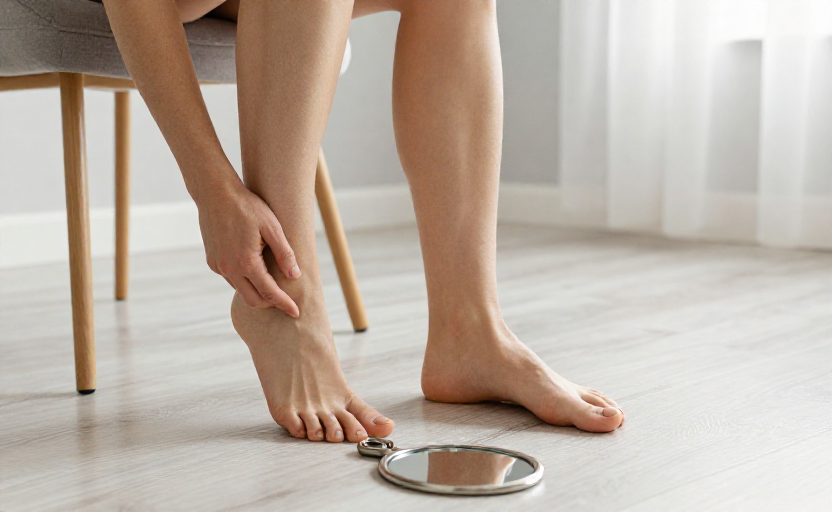
Living with diabetes means paying extra attention to your feet. High blood sugar can damage nerves over time, a condition called peripheral neuropathy, which often shows its first signs in your toes and soles. The tricky part is that early neuropathy can be subtle—a mild numbness, a slight change in temperature, or a tingle you might brush off. Catching these changes early is your best defense against complications like ulcers or infections.
Checking your feet should be a short, daily habit, not a long chore. You don’t need any special tools beyond your own hands, a mirror, and good lighting. Here’s exactly how to do it, what to look for, and when to call your doctor.
Why daily foot checks matter
Nerve damage from diabetic neuropathy reduces sensation. When you can’t feel a small blister, a pebble in your shoe, or a hot sidewalk burn, minor injuries can go unnoticed and become infected. By the time you see redness or swelling, the problem may already be serious. Daily self-exams help you spot trouble early, and early treatment saves feet.
Step-by-step: How to check your feet
Set aside five minutes at the same time each day—right after a shower or before bed works well. Remove your socks and inspect in a well-lit room. Use a mirror to see the bottoms and hard-to-reach spots if you can’t lift your foot comfortably.
- Look at the tops and sides — Check for dry or cracked skin, blisters, calluses, or red spots. Also look for any swelling or unusual bumps.
- Check between each toe — This is a common area for fungal infections and small cracks. Gently spread your toes and look for peeling, whitish skin, or raw areas.
- Inspect the soles — Use the mirror or lift your foot. Look for cuts, bruises, or changes in color (redness, blue-black spots, or very pale patches).
- Check your toenails — Look for ingrown edges, thickening, yellow discoloration, or any signs of fungus. Trim nails straight across to avoid problems.
- Feel for temperature and texture — Run your hands over each foot. Is one foot warmer than the other? Does any spot feel unusually hot or cold? Feel for hard calluses or rough patches you can’t see.
- Assess sensation — Gently tap your toes, the ball of your foot, your arch, and your heel with your fingertip (or a piece of cotton). If an area feels dull, numb, or strangely tingly compared to the other foot, that’s a sign to note.
What the warning signs look like
Not every change is a crisis, but certain signs always deserve attention. Here is what to watch for during your daily check:
- Numbness or reduced sensation — A feeling like you are walking on a cushion or wearing thick socks when you are barefoot.
- Tingling, burning, or electric-shock sensations — Often worse at night.
- Sharp pains or cramps — Especially in the toes or arches that come and go.
- Changes in skin temperature — One foot feeling noticeably colder or warmer than the other.
- Dry, cracked skin — Especially around the heels, which can indicate nerve-related changes in sweating.
- Calluses forming in unusual places — This can mean you are walking differently because of early nerve changes.
- Blisters, sores, or cuts that do not heal — Even a small scrape that lasts more than a few days needs medical attention.
- Redness, swelling, or warmth in a specific spot — Could signal an infection or inflammation even if it doesn't hurt.
A simple rule: if you see a change that wasn't there yesterday, take a photo and call your healthcare provider. It's better to check on something minor than to wait until it becomes serious.
Making the exam part of your routine
Consistency is more important than perfection. If you forget one day, just do it the next. Here are ways to make it stick:
- Keep a small hand mirror near where you sit to put on socks and shoes.
- Pair foot checks with a daily habit you already have—like brushing your teeth.
- Set a phone alarm with a note that says “feet check.”
- If you cannot bend easily, ask a family member to help or use a long-handled mirror.
When to see a doctor
Schedule an appointment with your primary care doctor or a podiatrist if you notice any of the following during your daily checks:
- Any open sore, cut, or blister that does not start healing in two days
- An area of redness or swelling—especially if warm to the touch
- New numbness or tingling that persists
- Changes in foot shape, such as a bending of the toes (hammertoes) or a collapsing arch
- Darkened, black, or blue-black patches of skin
- A sudden change in foot color from pink to red, pale, or purple
Do not try to treat these issues at home with over-the-counter ointments, corn removers, or chemical pads—they can worsen the injury. Let a professional evaluate and treat them safely.
Caring for your feet between exams
Good daily habits reduce your risk of neuropathy-related problems. Wash your feet in warm (not hot) water and dry them thoroughly, especially between the toes. Apply a gentle moisturizer to the tops and bottoms but avoid the spaces between toes. Always wear well-fitting shoes and clean socks—never walk barefoot, even indoors. Shake out your shoes before putting them on to dislodge any small objects.
Daily foot checks are a small investment of time with a big return: keeping your feet healthy and your life fully mobile. When you make this a habit, you take control of one of the most preventable complications of diabetes.